Effective Active Learning Methods to Enhance Test-taking Skills
1. Retrieval Practice:
- Spaced Repetition: Regularly reviewing material at increasing intervals to reinforce memory.
- Flashcards: Creating and using flashcards to test recall and improve retention.
- Quizzes and Games: Gamifying learning through quizzes and interactive games that challenge students’ knowledge.
2. Active Recalling:
- Self-Explanation: Having students explain concepts to themselves or others to foster deeper understanding.
- Elaboration: Linking new information to existing knowledge or creating analogies to enhance comprehension.
- Think-Pair-Share: Dividing students into pairs to discuss concepts, share insights, and clarify misunderstandings.
3. Elaborative Interrogation:
- Why-How-What Questions: Asking students open-ended questions to encourage critical thinking and explain concepts thoroughly.
- Cognitive Mapping: Creating visual representations of complex topics to improve understanding and organization.
- Compare and Contrast: Helping students identify similarities and differences between concepts to enhance their analytical skills.
4. Cooperative Learning:
- Think-Alouds: Students verbalize their thought processes while solving problems, allowing others to observe and learn from different approaches.
- Peer Review: Having students critique and provide feedback on each other’s work to enhance both understanding and communication skills.
- Jigsaw Activities: Dividing students into groups to research different aspects of a topic and then sharing their findings with the entire class.
5. Metacognitive Strategies:
- Self-Monitoring: Encouraging students to reflect on their understanding and adjust their study strategies accordingly.
- Goal Setting: Setting specific and achievable goals for test preparation to enhance motivation and focus.
- Time Management: Teaching time management techniques to optimize efficiency and reduce anxiety during testing.
Benefits of Active Learning Methods for Test-taking:
- Improves retention and understanding of material
- Encourages critical thinking and problem-solving skills
- Develops confidence and reduces test anxiety
- Enhances metacognitive skills for effective study planning
- Fosters collaboration and communication abilities## Active Learning Methods For Improved Test-taking Strategies
Executive Summary
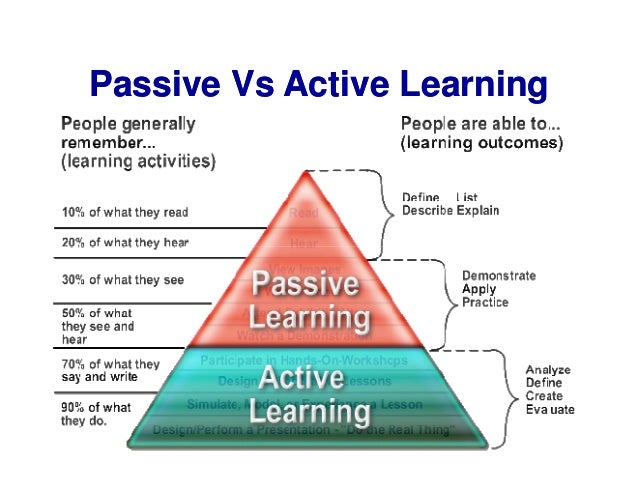
Active learning is a teaching method that emphasizes the active participation of students in the learning process. This approach contrasts with traditional passive learning methods, in which students are primarily receivers of information. Active learning has been shown to be an effective way to improve student learning outcomes, including on tests.
Introduction
Test-taking is a skill that can be learned and improved upon. Active learning methods can help students to develop the skills and strategies they need to succeed on tests. These methods encourage students to actively engage with the material, which helps them to better understand and remember it.
FAQs
Q: What is active learning?
A: Active learning is a teaching method that emphasizes the active participation of students in the learning process.
Q: How can active learning help me improve my test-taking skills?
A: Active learning can help you to better understand and remember the material, which can lead to improved test scores.
Q: What are some examples of active learning methods?
A: Some examples of active learning methods include group discussions, problem-solving exercises, and simulations.
Top 5 Active Learning Strategies
1. Retrieval Practice
Retrieval practice is a learning technique that involves actively recalling information from memory. This can be done through activities such as flashcards, self-testing, and practice questions. Retrieval practice has been shown to be a highly effective way to improve long-term retention of information.
- Repeatedly test yourself. Take practice tests or quizzes to identify areas where you need more study.
- Use flashcards. Create flashcards with questions on one side and answers on the other. Regularly test yourself with the flashcards.
- Teach the material to someone else. Explain the concepts to a friend, family member, or study group. This forces you to recall the information and organize it in a logical way.
2. Spaced Repetition
Spaced repetition is a learning technique that involves reviewing information at increasing intervals. This helps to strengthen memories and prevent forgetting. Spaced repetition can be done using flashcards, software programs, or other methods.
- Review material regularly. Don’t wait until the night before a test to start studying. Space out your review sessions over several days or weeks.
- Use a spaced repetition app. There are several apps available that will help you to review material at optimal intervals.
- Create a study schedule. Plan out when you will study each subject and stick to your schedule as much as possible.
3. Interleaving
Interleaving is a learning technique that involves mixing up different types of problems or questions. This helps to improve understanding and retention by preventing students from getting stuck in a rut. Interleaving can be used in practice tests, quizzes, and other activities.
- Mix up different types of problems. Don’t just do all of the math problems at the end of the chapter. Mix them up with other types of problems, such as reading comprehension or science questions.
- Use practice tests with different sections. Take practice tests that include questions from different sections of the material. This will help you to get a better sense of the overall content of the test.
- Create your own interleaved practice materials. You can create your own interleaved practice materials by mixing up different types of problems or questions in a single document.
4. Elaboration
Elaboration is a learning technique that involves connecting new information to existing knowledge. This helps to make the new information more meaningful and easier to remember. Elaboration can be done through activities such as writing summaries, creating concept maps, and discussing the material with others.
- Connect new information to what you already know. Think about how the new information relates to other things you have learned.
- Create concept maps. Draw a diagram that shows how the different concepts are related to each other.
- Discuss the material with others. Talk to your classmates, teachers, or family members about what you are learning.
5. Metacognition
Metacognition is the process of thinking about your own thinking. This involves being aware of your strengths and weaknesses, and developing strategies to improve your learning. Metacognition can be developed through activities such as self-reflection, goal-setting, and monitoring your progress.
- Reflect on your learning. Take time to think about how you are learning and what is working well.
- Set goals for yourself. Set specific, achievable goals for your learning.
- Monitor your progress. Track your progress and make adjustments as needed.
Conclusion
Active learning methods can be a powerful tool for improving test-taking skills. By using these methods, students can better understand and remember the material, which can lead to higher test scores.
Keyword Tags
- Active learning
- Test-taking strategies
- Retrieval practice
- Spaced repetition
- Interleaving