Tips for Exam Preparation to Overcome Test Anxiety
1. Prepare Thoroughly:
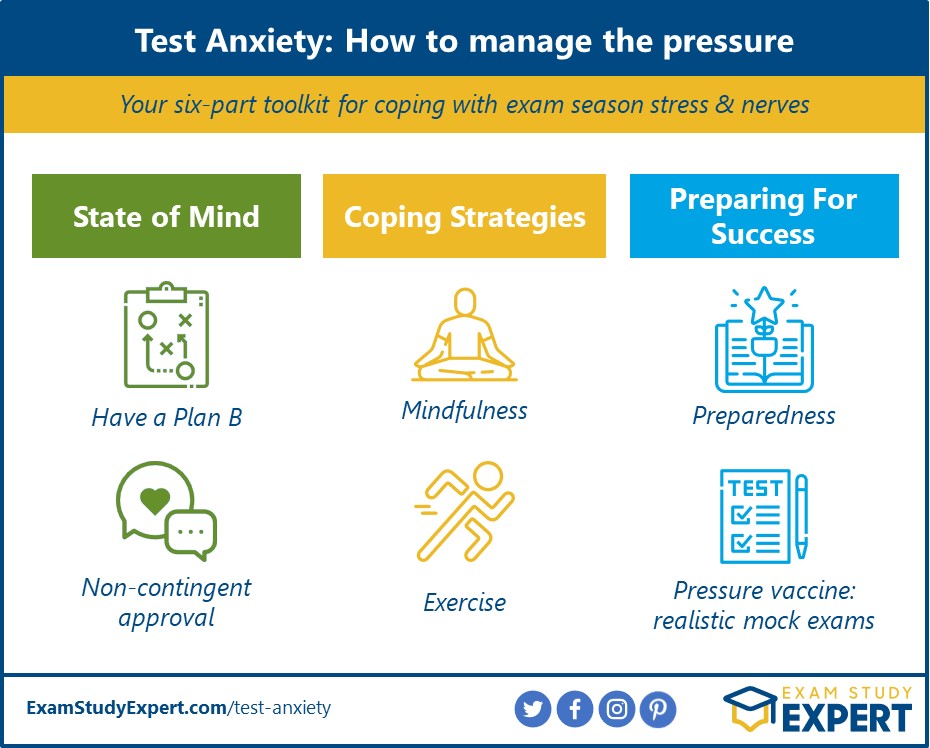
- Start studying early to avoid cramming and feeling overwhelmed.
- Break down large chunks of material into smaller, manageable segments.
- Use active recall techniques, such as flashcards and practice tests, to reinforce learning.
2. Manage Stress:
- Engage in regular exercise and meditation to reduce stress levels.
- Practice relaxation techniques, such as deep breathing or progressive muscle relaxation.
- Get enough sleep the night before the exam.
3. Improve Concentration:
- Choose a designated study space that is free from distractions.
- Use time management techniques, such as the Pomodoro method, to stay focused.
- Take breaks to clear your mind and prevent burnout.
4. Build Confidence:
- Focus on your strengths and past successes.
- Visualize yourself successfully completing the exam.
- Practice positive self-talk and affirmations.
5. Seek Support:
- Talk to a trusted friend, family member, or therapist if you’re experiencing anxiety.
- Reach out to professors or classmates for clarification on difficult concepts.
- Join a study group to share knowledge and support.
6. Focus on the Process, Not the Outcome:
- Instead of worrying about the final grade, concentrate on the process of studying and understanding the material.
- Shift your mindset from “I have to do well” to “I’m dedicated to doing my best.”
7. Use Exam Strategies:
- Arrive at the exam early to reduce anxiety.
- Read the instructions carefully and pace yourself.
- Manage time effectively and allocate it wisely.
- Answer questions you know first, then tackle the more challenging ones.
8. Practice Relaxation During the Exam:
- If you start to feel anxious, take a deep breath and remind yourself that you’re prepared.
- Use positive affirmations or visualizations to calm your thoughts.
- Focus on the task at hand and avoid dwelling on potential outcomes.
9. After the Exam:
- Regardless of the outcome, reflect on your preparation and identify areas for improvement.
- Seek feedback from instructors or others to learn from your mistakes.
- Use the experience as a growth opportunity and prepare for future exams with these strategies in mind.
Remember, overcoming test anxiety is an ongoing process. Be patient with yourself and implement these tips consistently to reduce stress and improve your exam performance.## Overcoming Test Anxiety: Tips For Exam Preparation
Executive Summary
Test anxiety is a common problem that can interfere with students’ academic performance. There are a number of techniques that students can use to overcome test anxiety, including relaxation techniques, cognitive restructuring, and positive self-talk. By following these tips, students can improve their test-taking skills and reduce their anxiety levels.
Introduction
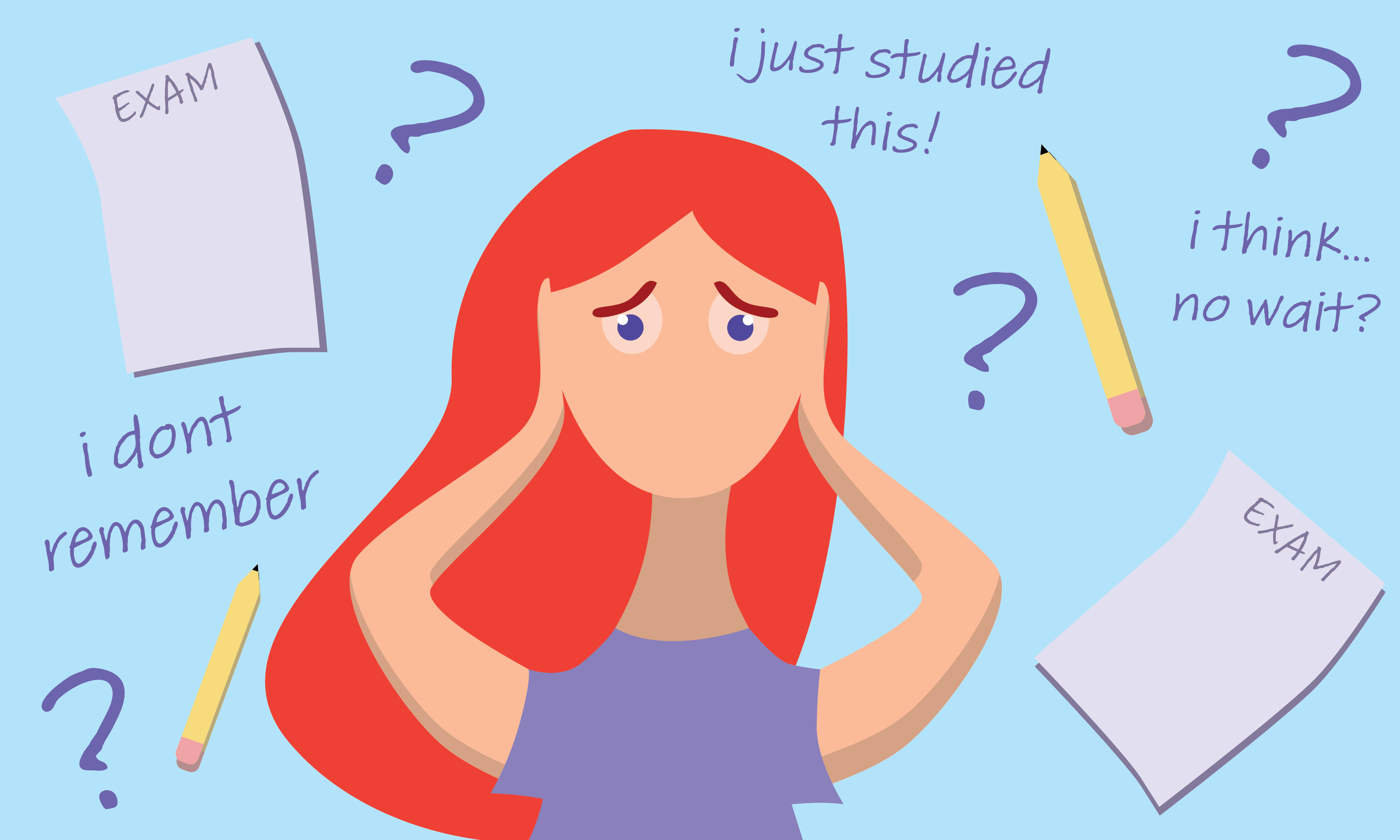
Test anxiety is a feeling of nervousness or panic that can occur before, during, or after a test. It is a common problem that affects many students. Test anxiety can interfere with students’ ability to focus, concentrate, and perform well on tests.
FAQ
What are the symptoms of test anxiety?
- Physical symptoms: Sweating, shaking, increased heart rate, shortness of breath, nausea, and headaches.
- Cognitive symptoms: Difficulty concentrating, negative thoughts, and self-doubt.
- Behavioral symptoms: Avoiding studying, procrastinating, and withdrawing from social activities.
What causes test anxiety?
There are a number of factors that can contribute to test anxiety, including:
- Personality traits: People who are perfectionists, have low self-esteem, or are prone to anxiety are more likely to experience test anxiety.
- Environmental factors: A negative or stressful learning environment can increase test anxiety.
- Past experiences: Students who have had negative experiences with tests in the past are more likely to experience test anxiety.
How can I overcome test anxiety?
There are a number of techniques that students can use to overcome test anxiety, including:
- Relaxation techniques: Relaxation techniques, such as deep breathing and meditation, can help to reduce stress and anxiety levels.
- Cognitive restructuring: Cognitive restructuring involves challenging negative thoughts and replacing them with more positive ones.
- Positive self-talk: Positive self-talk can help to boost confidence and reduce anxiety levels.
Subtopics
1. Relaxation Techniques
Relaxation techniques can help to reduce stress and anxiety levels. Some common relaxation techniques include:
- Deep breathing: Deep breathing involves taking slow, deep breaths. This can help to calm the nervous system and reduce feelings of anxiety.
- Meditation: Meditation involves focusing on the present moment and letting go of negative thoughts. This can help to reduce stress and anxiety levels.
- Yoga: Yoga is a mind-body practice that combines physical postures, breathing exercises, and meditation. Yoga can help to reduce stress, improve flexibility, and increase self-awareness.
2. Cognitive Restructuring
Cognitive restructuring involves challenging negative thoughts and replacing them with more positive ones. Some common cognitive restructuring techniques include:
- Identifying negative thoughts: The first step to cognitive restructuring is to identify the negative thoughts that you are having.
- Challenging negative thoughts: Once you have identified your negative thoughts, you can challenge them by asking yourself if there is any evidence to support them.
- Replacing negative thoughts: Once you have challenged your negative thoughts, you can replace them with more positive ones.
3. Positive Self-Talk
Positive self-talk can help to boost confidence and reduce anxiety levels. Some common positive self-talk techniques include:
- Affirmations: Affirmations are positive statements that you can say to yourself to boost your confidence.
- Visualization: Visualization involves imagining yourself succeeding in a task. This can help to build confidence and reduce anxiety levels.
- Gratitude: Gratitude involves focusing on the things that you are grateful for. This can help to shift your focus away from negative thoughts and onto more positive ones.
4. Study Preparation
One of the best ways to overcome test anxiety is to be prepared for the test. This includes studying the material thoroughly and practicing taking practice tests.
- Start studying early: Don’t wait until the last minute to start studying. Give yourself plenty of time to review the material and practice taking practice tests.
- Break down the material: Break down the material into smaller chunks. This will make it easier to study and remember.
- Take practice tests: Taking practice tests can help you to identify your strengths and weaknesses and to practice taking tests under timed conditions.
5. Test-Taking Strategies
There are a number of test-taking strategies that you can use to reduce test anxiety and improve your performance.
- Arrive at the test on time: Arriving at the test on time will help you to feel less stressed and more prepared.
- Read the instructions carefully: Read the instructions for each question carefully before you start answering it. This will help you to avoid making mistakes.
- Pace yourself: Don’t try to answer all of the questions at once. Pace yourself and take your time.
- Skip difficult questions: If you come to a question that you don’t know how to answer, skip it and come back to it later.
- Check your work: Once you have finished answering all of the questions, check your work to make sure that you have not made any mistakes.
Conclusion
Test anxiety is a common problem that can interfere with students’ academic performance. However, there are a number of techniques that students can use to overcome test anxiety, including relaxation techniques, cognitive restructuring, and positive self-talk. By following these tips, students can improve their test-taking skills and reduce their anxiety levels.
Keyword Tags
- Test anxiety
- Relaxation techniques
- Cognitive restructuring
- Positive self-talk
- Study preparation