Maintaining Mental Well-being as a Student
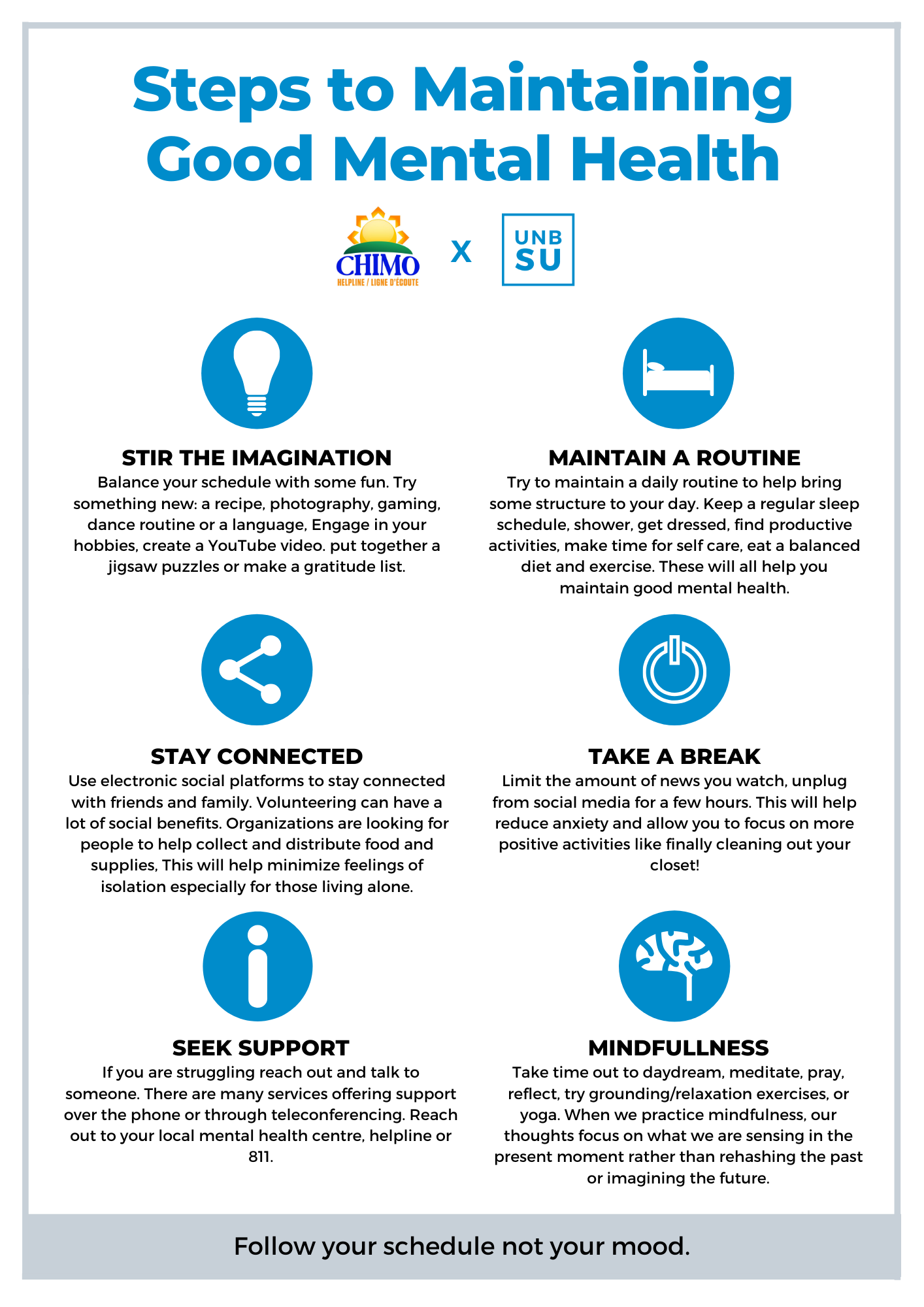
1. Prioritize Self-Care:
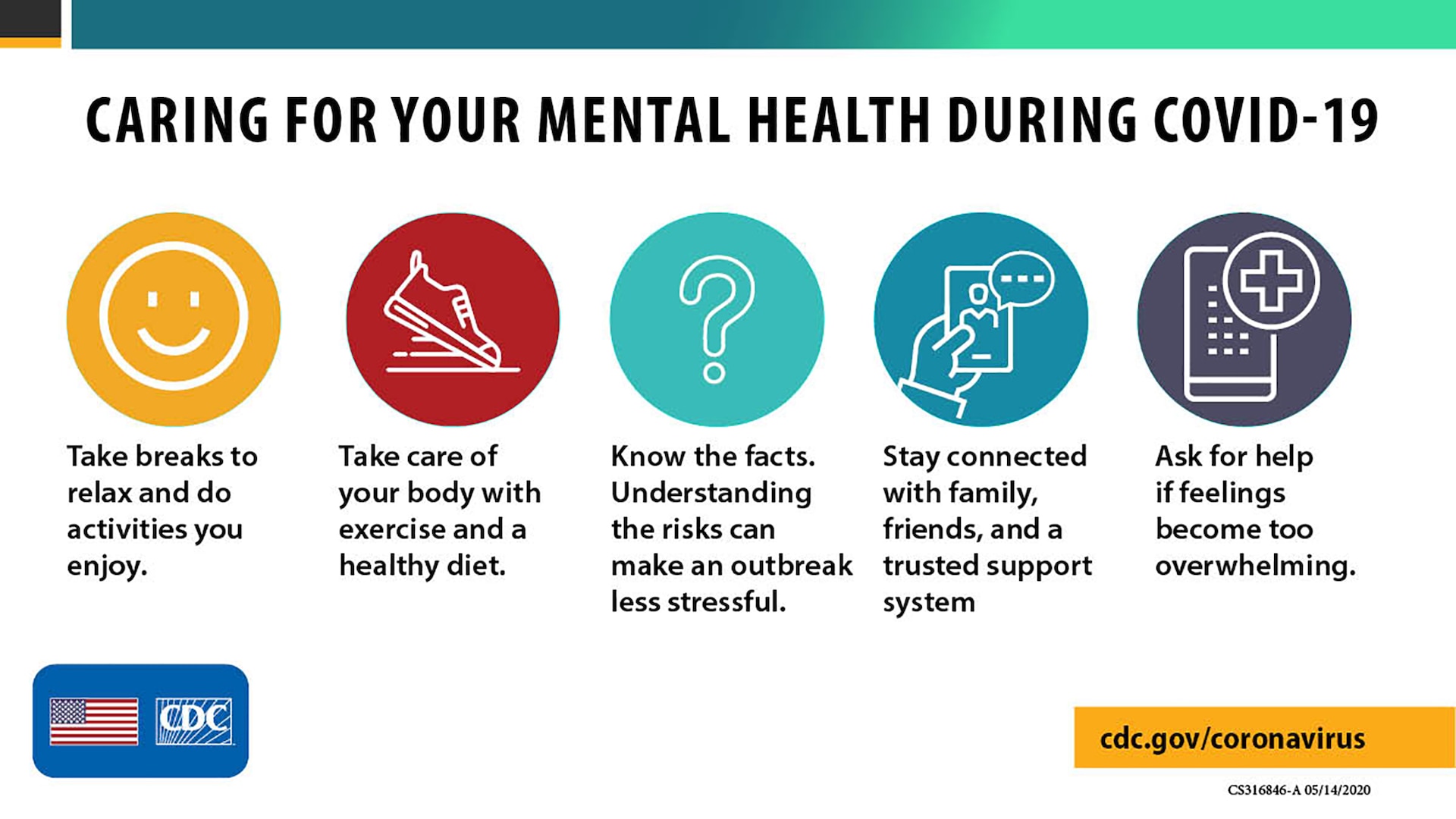
- Get enough sleep: Aim for 7-9 hours of quality sleep each night.
- Eat a healthy diet: Nourish your body with nutrient-rich foods that fuel your brain and body.
- Exercise regularly: Physical activity releases endorphins that boost mood and reduce stress.
- Take breaks: Schedule regular intervals to step away from academic tasks and recharge.
2. Manage Stress:
- Identify stressors: Pinpoint the sources of stress in your life, both academic and personal.
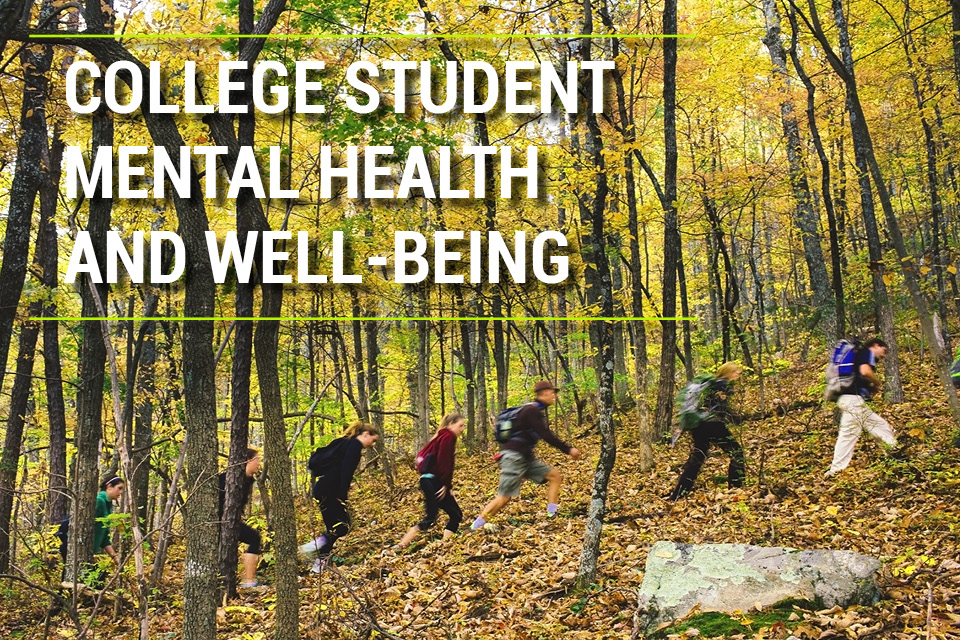
- Develop coping mechanisms: Explore techniques such as mindfulness meditation, yoga, or spending time in nature.
- Seek support: Talk to friends, family, or a mental health professional if you’re struggling to cope.
- Set realistic goals: Don’t overload yourself. Break down large tasks into smaller, manageable ones.
3. Foster Positive Relationships:
- Build a support system: Surround yourself with people who care about you and provide encouragement.
- Spend time with loved ones: Make time for activities that connect you with others.
- Join clubs or organizations: Find groups that align with your interests and offer opportunities for social interaction.
4. Practice Mindfulness:
- Be present: Pay attention to the moment without judgment or distraction.
- Meditate: Dedicate time each day to mindfulness meditation, focusing on your breath or present thoughts.
- Take mindful breaks: Step away from work to observe your surroundings and connect with your senses.
5. Seek Professional Help When Needed:
- Don’t hesitate to reach out: If you experience persistent or overwhelming mental health concerns, seek professional help.
- Mental health professionals: Psychologists, counselors, and psychiatrists can provide support, guidance, and treatment.
- University resources: Many universities offer mental health counseling services, support groups, and crisis support.
Additional Tips:
- Set boundaries: Protect your time and energy by setting limits on academic and social commitments.
- Take advantage of breaks: Use school vacations, weekends, and holidays to fully disconnect and recharge.
- Practice gratitude: Focus on the things you’re grateful for, no matter how small.
- Celebrate your successes: Acknowledge your accomplishments, both big and small.
- Remember that it’s okay not to be okay: Mental health challenges are common among students. Don’t feel ashamed or alone.
Remember, maintaining mental well-being is an ongoing journey. By implementing these strategies, you can create a supportive and healthy environment for yourself as a student.## How To Maintain Mental Well-being As A Student
Executive Summary
Maintaining mental well-being as a student can be challenging, given the academic pressures, social expectations, and financial stresses that come with student life. This article explores strategies for students to prioritize their mental health and create a balanced and fulfilling university experience.
Introduction
As a student, juggling academic responsibilities, extracurricular activities, and personal commitments can take a toll on mental well-being. Understanding the unique challenges faced by students and developing effective coping mechanisms are crucial for maintaining good mental health throughout the academic journey.
FAQs
1. What are the common mental health challenges faced by students?
- Anxiety and stress due to academic pressure
- Depression and loneliness caused by social isolation
- Substance abuse as a coping mechanism
2. How can students identify signs of mental distress?
- Persistent feelings of sadness, hopelessness, or irritability
- Changes in sleep or eating patterns
- Difficulty concentrating or making decisions
- Withdrawal from social activities or loss of interest
3. What resources are available to support student mental health?
- University counseling centers provide professional support and therapy
- Peer support groups offer a safe and understanding environment
- Online mental health platforms provide anonymous and accessible resources
Top 5 Subtopics for Maintaining Mental Well-being
1. Prioritize Time Management
- Establish a Structured Schedule: Create a realistic daily routine that includes allocated time for studying, breaks, socializing, and self-care.
- Break Down Tasks: Divide large assignments into smaller, manageable chunks to reduce overwhelming feelings.
- Use Technology Wisely: Utilize apps and tools for task organization, time tracking, and reminders.
2. Foster Social Connections
- Join Clubs and Organizations: Participate in activities that align with your interests and connect with like-minded peers.
- Build Relationships with Professors: Attend office hours, participate in discussions, and seek guidance from supportive faculty.
- Make Time for Friends and Family: Schedule regular social events and maintain open communication with loved ones.
3. Practice Self-Care
- Engage in Physical Activity: Exercise regularly to release endorphins and promote overall well-being.
- Prioritize Sleep: Aim for 7-9 hours of quality sleep each night to improve cognitive function and mood.
- Nourish Your Body: Make healthy food choices, stay hydrated, and avoid excessive caffeine and alcohol consumption.
4. Develop Stress Management Techniques
- Mindfulness and Meditation: Practice techniques that calm the mind, reduce anxiety, and increase focus.
- Exercise Regularly: Physical activity is a natural stress reliever that releases endorphins and improves mood.
- Seek Professional Help When Needed: Don’t hesitate to contact a counselor or therapist if stress becomes overwhelming and interferes with daily life.
5. Embrace Realistic Expectations
- Set Achievable Goals: Avoid setting unrealistic expectations that can lead to disappointment and stress.
- Practice Self-Compassion: Acknowledge your strengths and weaknesses, and be kind to yourself when things don’t go as planned.
- Seek Support and Encouragement: Surround yourself with positive and supportive people who believe in your abilities.
Conclusion
Maintaining mental well-being as a student requires a holistic approach that encompasses prioritization of time management, fostering social connections, practicing self-care, developing stress management techniques, and embracing realistic expectations. By implementing these strategies, students can create a balanced and fulfilling university experience while safeguarding their mental health.
Keyword Tags
- Student mental health
- Time management for students
- Social support for students
- Self-care tips for students
- Stress management for students