Study Stress Relief: Techniques to Stay Calm and Focused
1. Time Management

- Plan ahead and prioritize tasks to avoid feeling overwhelmed.
- Break down large assignments into smaller, manageable chunks.
- Use a planner or calendar to keep track of deadlines.
2. Breaks and Relaxation
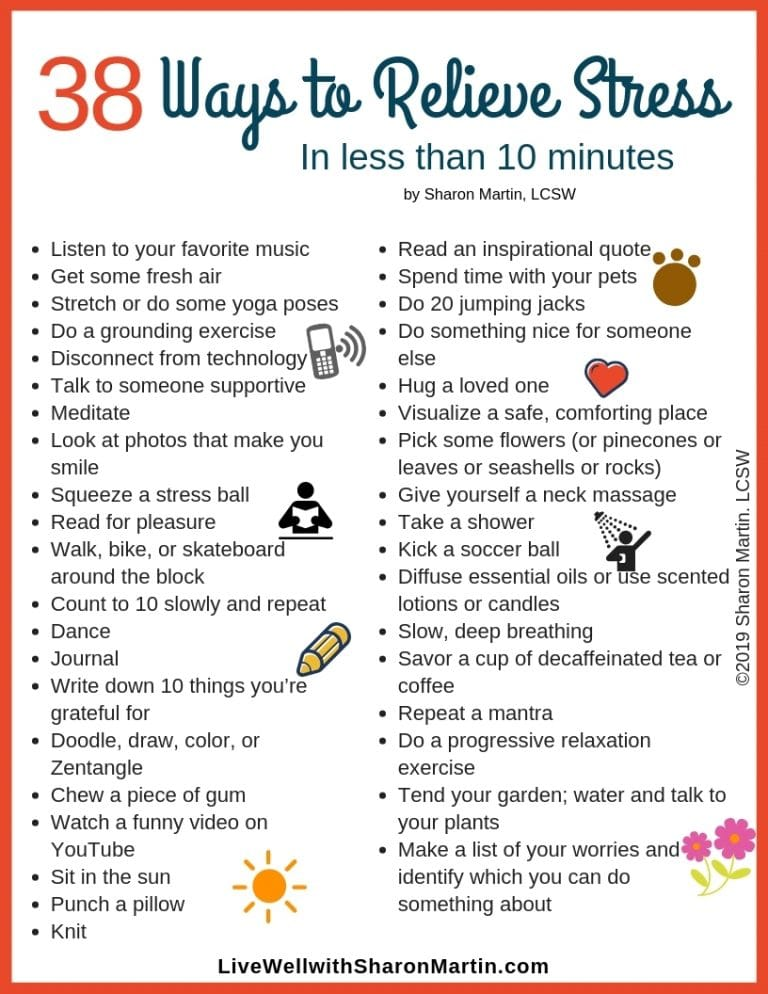
- Take regular breaks throughout study sessions to prevent burnout.
- Engage in activities that relax you, such as exercise, meditation, or listening to music.
- Get enough sleep to ensure you’re refreshed and focused.
3. Exercise
- Physical activity releases endorphins that have mood-boosting effects.
- Aim for at least 30 minutes of moderate-intensity exercise most days of the week.
- Incorporate exercise into your study breaks or schedule dedicated time for it.
4. Mindfulness
- Practice mindfulness techniques to reduce stress and promote focus.
- Engage in deep breathing exercises or guided meditations.
- Pay attention to the present moment without judgment.
5. Healthy Diet
- Fuel your body with nutritious foods that support brain function and energy levels.
- Choose whole grains, fruits, vegetables, and lean protein.
- Limit sugary drinks, processed foods, and caffeine intake.
6. Social Support
- Connect with friends, family, or classmates to share your experiences and support each other.
- Join study groups or participate in social activities that provide a sense of community.
7. Visualization
- Imagine yourself successfully completing your tasks and achieving your goals.
- Focus on positive outcomes and visual cues to reinforce confidence.
8. Positive Self-Talk
- Challenge negative thoughts and replace them with positive affirmations.
- Use encouraging language and remind yourself of your strengths and capabilities.
9. Problem-Solving
- Identify specific stressors or challenges you’re facing.
- Brainstorm solutions and take action to address them.
- Seek help from teachers, tutors, or counselors if needed.
10. Acceptance
- Recognize that study stress is a normal part of the academic experience.
- Learn to accept and tolerate moderate levels of stress as a motivator.
- Focus on what you can control and let go of things beyond your influence.
Additional Tips:
- Create a dedicated study space that is free from distractions.
- Set realistic study goals and avoid comparing yourself to others.
- Reward yourself for your effort and don’t be too hard on yourself if you don’t always achieve perfection.
- Remember that stress is temporary and will pass. Focus on maintaining a healthy perspective and seeking support when needed.## Study Stress Relief: Techniques To Stay Calm And Focused
Executive Summary
Millions of students experience stress while studying. Study stress can be caused by various factors, including academic pressure, time constraints, and personal issues. This article explores effective stress relief techniques that students can implement to stay calm and focused during their studies.
Introduction
Stress is a natural response to challenging or demanding situations. However, excessive stress can impair cognitive function, making it difficult to concentrate and perform well academically. It is crucial for students to recognize the signs of study stress and adopt coping mechanisms to manage it effectively.
FAQ
1. What are the common signs of study stress?
- Difficulty concentrating
- Increased anxiety and worry
- Physical symptoms (e.g., headaches, muscle tension)
- Emotional outbursts
- Sleep disturbances
2. Why is managing study stress important?
- Reduced anxiety and improved mental well-being
- Enhanced academic performance
- Prevention of burnout and other health issues
3. Can stress management techniques be learned?
Yes, stress management techniques are skills that can be learned and practiced regularly to improve coping abilities.
Subtopics: Techniques For Study Stress Relief
1. Mindfulness and Relaxation Techniques
- Deep breathing exercises: Inhale deeply through your nose and exhale slowly through your mouth.
- Progressive muscle relaxation: Tense and release different muscle groups to reduce tension.
- Visualization: Imagine a peaceful scene or memory to calm your mind.
2. Physical Activity
- Exercise: Engage in regular physical activity, such as running, swimming, or yoga, to release endorphins and reduce stress.
- Stretching: Take breaks to stretch your body and relieve muscle tension.
- Walking: Step outside for a brisk walk to clear your head and reduce anxiety.
3. Time Management and Organization
- Plan ahead: Create a study schedule and break down tasks into smaller chunks.
- Prioritize tasks: Focus on completing the most important tasks first.
- Take breaks: Schedule regular breaks to rest and recharge.
4. Healthy Lifestyle
- Sleep well: Aim for 7-9 hours of quality sleep each night.
- Eat healthy: Nourish your body with a balanced diet rich in fruits, vegetables, and whole grains.
- Avoid caffeine and alcohol: These substances can worsen stress and anxiety.
5. Social Support
- Talk to someone: Share your worries with a friend, family member, or counselor.
- Join a support group: Connect with others who understand the challenges of studying.
- Seek professional help: Consider talking to a therapist or counselor for additional support.
Conclusion
Managing study stress is essential for students’ academic success and overall well-being. By implementing these effective techniques, students can alleviate anxiety, improve their focus, and achieve their academic goals while maintaining a healthy balance in their lives. Remember, seeking support and practicing stress management regularly is crucial for academic and personal growth.
Relevant Keyword Tags:
- Study stress
- Stress relief techniques
- Mindfulness
- Time management
- Healthy lifestyle