====== exam performance ======
10 Tips for Effective Self-Assessment for Exam Performance Improvement
The Benefits of Active Recall Techniques for Studying
Why Self-Assessment is Important for Exam Preparation and Performance
Maximize Your Exam Performance: A Comprehensive Guide
Is exam performance holding you back from achieving your academic goals? You’re not alone. Many students struggle to perform well on exams, but there are effective strategies you can implement to improve your chances of success. In this article, we will delve into the concept of exam performance and provide you with actionable tips to help you excel in your exams.
Understanding Exam Performance
Exam performance refers to the ability of a student to demonstrate their knowledge, skills, and understanding in a formal testing environment. It is influenced by various factors, including:
Subject knowledge: This is the foundation of exam performance. Without a strong understanding of the course material, it will be challenging to perform well on exams.
Test-taking skills: These skills include time management, question interpretation, and effective answering techniques. Developing these skills can help you maximize your score.
Emotional regulation: Exam anxiety can significantly impact performance. Learning to manage stress and maintain a positive mindset is crucial.
Tips for Enhancing Exam Performance
Embrace Active Recall: Engage with the material actively by testing yourself regularly. Use flashcards, practice quizzes, or explain concepts to others to reinforce your understanding.
Spaced Repetition: Review the material at increasing intervals to enhance long-term retention. This technique helps strengthen neural connections and prevents forgetting.
Self-Assessment: Regularly assess your understanding of the material. Use practice tests or review questions to identify areas where you need further improvement.
Identify Your Weaknesses: Focus on addressing your weaker areas first. Dedicate more time and effort to understanding these concepts to improve your overall performance.
Time Management: Practice managing your time effectively during exams. Use techniques like Pomodoro or time blocking to stay focused and complete the exam within the allotted time.
Question Interpretation: Carefully read and interpret exam questions before answering. Identify the key terms and concepts being tested to avoid misunderstandings.
Answer Strategically: When answering multiple-choice questions, eliminate incorrect answers to increase your chances of selecting the correct one. For open-ended questions, provide clear and well-organized responses.
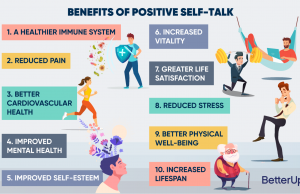
Manage Exam Anxiety: Exam anxiety is normal, but it can be managed with techniques like deep breathing, positive self-talk, and visualizing success.
Seek Support: Don’t hesitate to reach out to professors, teaching assistants, or classmates if you need additional support or clarification.
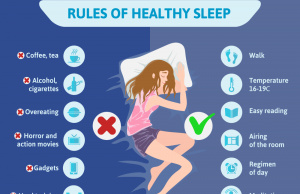
Get Enough Rest and Nutrition: A good night’s sleep and a healthy diet can significantly improve your cognitive function and overall exam performance.
Conclusion
Exam performance is a crucial aspect of academic success, but it can be challenging to achieve without the right strategies. By implementing the tips outlined in this article, you can enhance your subject knowledge, develop effective test-taking skills, and manage exam anxiety. Remember, consistent effort, self-assessment, and a positive mindset are key to maximizing your exam performance. Embrace these strategies and unlock your academic potential.
Secondary Keywords: Exam, Performance, Self-Assessment, Active Recall, Test-Taking Strategies, Time Management, Question Interpretation, Stress Management, Exam Preparation, Study Techniques