Improving Study Habits Through Self-Assessment for Better Exam Performance
Introduction:
Effective study habits are crucial for academic success. Self-assessment provides a valuable tool for students to identify areas for improvement and develop strategies to enhance their study practices. By regularly reflecting on their study behaviors, students can make informed decisions and actively work towards improving their exam performance.
Benefits of Self-Assessment:

- Increased Self-Awareness: Self-assessment helps students understand their strengths and weaknesses as learners. This awareness enables them to focus their efforts on areas that require improvement.
- Identification of Problem Areas: By assessing their study habits, students can pinpoint specific areas where they encounter difficulties. This allows them to develop targeted interventions to address those challenges.
- Motivation and Goal-Setting: Self-assessment can be a motivating force for students. By setting realistic goals based on their self-assessment findings, they can stay focused and accountable for their progress.
Steps for Self-Assessment:
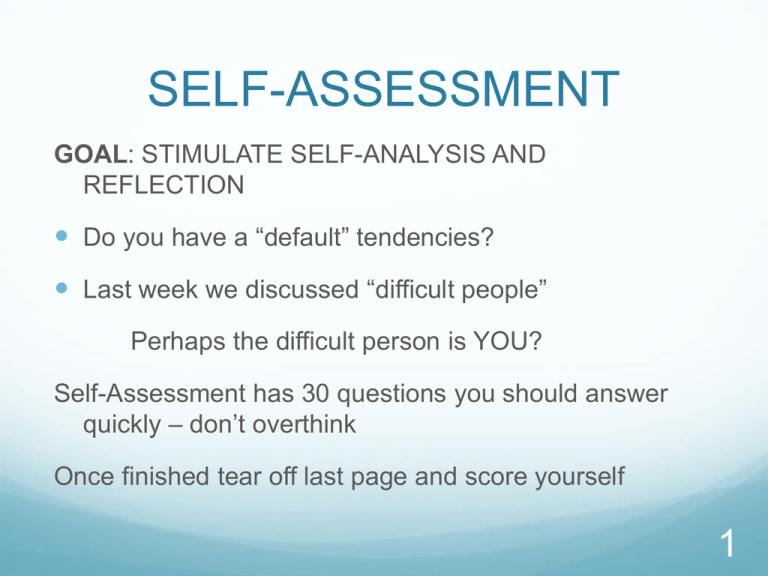
1. Set Aside Time: Dedicate a specific time for self-assessment, preferably at the beginning or end of a study session.
2. Identify Study Habits: List down your current study habits, including time management, note-taking, active recall, and revision techniques.
3. Rate Your Habits: Use a scale (e.g., 1-5) to rate the effectiveness of each habit. Consider factors such as efficiency, comprehension, and recall.
4. Analyze Findings: Identify areas where you excel and areas where improvement is needed. Focus on specific behaviors or techniques that are hindering your progress.
5. Develop an Improvement Plan: Based on your analysis, devise a plan to address the weaknesses identified. Set specific goals and outline strategies to implement.
Strategies for Improving Study Habits:
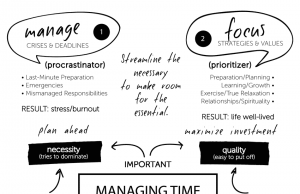
- Effective Time Management: Plan your study schedule efficiently to allocate sufficient time for all subjects. Use a planner or calendar to track your assignments and deadlines.
- Active Study Techniques: Engage in active learning methods such as taking notes, summarizing, creating concept maps, and teaching the material to someone else.
- Spaced Repetition: Review material at increasing intervals to improve retention. This helps strengthen memories and prevents forgetting.
- Focused Revision: Prioritize revision time for challenging concepts or areas where you struggle. Use techniques like flashcards, quizzes, and mind mapping to recall and reinforce information.
- Seeking Support: Don’t hesitate to seek help from teachers, peers, or a tutor if you encounter difficulties. They can provide guidance, clarification, and alternative study strategies.
Monitoring Progress:
Once you have implemented an improvement plan, it’s essential to monitor your progress regularly. Repeat the self-assessment process periodically (e.g., monthly) to track your improvement and make necessary adjustments. Celebrating successes and identifying areas for further enhancement can keep you motivated and on track.
Conclusion:
Self-assessment is an invaluable tool for students to improve their study habits and enhance their exam performance. By regularly reflecting on their current practices, identifying areas for improvement, and implementing targeted interventions, students can actively work towards becoming more effective learners. By embracing a cycle of self-assessment, goal-setting, and progress monitoring, students can unlock their potential and achieve academic excellence.## Improving Study Habits Through Self-assessment For Better Exam Performance
Executive Summary
Students can improve their study habits by conducting a self-assessment to identify their strengths and weaknesses. By understanding their learning styles and preferences, students can develop a study plan that is tailored to their individual needs. This will help them to improve their focus and concentration, and to make the most of their study time. As a result, they will be more likely to achieve success in their exams.
Introduction
Studying is an essential part of student life. Every student must study to pass their classes and get good grades. It helps them to acquire knowledge, develop critical thinking skills, and prepare for their future careers. However, studying can be challenging, and many students find themselves struggling to stay motivated.
One of the best ways to improve your study habits is to conduct a self-assessment. This will help you to identify your strengths and weaknesses, so that you can develop a study plan that is tailored to your individual needs.
FAQs
- What is self-assessment?
Self-assessment is the process of evaluating your own strengths and weaknesses. It can be done through a variety of methods, such as taking a personality test or keeping a journal.
- Why is self-assessment important for students?
Self-assessment can help students to understand their learning styles and preferences, so that they can develop a study plan that is tailored to their individual needs. It can also help students to identify areas where they need to improve, so that they can take steps to address them.
- How can I conduct a self-assessment?
There are a variety of methods that you can use to conduct a self-assessment. One option is to take a personality test. There are many different personality tests available online, such as the Myers-Briggs Type Indicator (MBTI) or the Big Five personality test. Another option is to keep a journal. In your journal, you can track your study habits, identify areas where you need to improve, and set goals for yourself.
Top 5 Subtopics
1. Understanding Your Learning Style
Your learning style refers to the way in which you learn best. There are three main learning styles: visual, auditory, and kinesthetic.
- Visual learners learn best by seeing information. They prefer to read textbooks, watch videos, and create diagrams.
- Auditory learners learn best by hearing information. They prefer to listen to lectures, participate in discussions, and record their notes.
- Kinesthetic learners learn best by doing. They prefer to participate in hands-on activities, build models, and experiment.
Once you understand your learning style, you can develop a study plan that is tailored to your individual needs. For example, if you are a visual learner, you might find it helpful to create flashcards or diagrams. If you are an auditory learner, you might find it helpful to record your notes or listen to podcasts about the material you are studying.
2. Developing a Study Plan
A study plan is a roadmap for your studying. It will help you to stay on track and make the most of your time. When developing a study plan, there are a few things to keep in mind:
- Set realistic goals. Don’t try to cram too much into one study session. Break down your goals into smaller, more manageable chunks.
- Schedule regular study breaks. It is important to take breaks throughout your study session to avoid burnout. Get up and move around, or take a few minutes to relax and clear your head.
- Find a study buddy. Studying with a friend or classmate can help you to stay motivated and on track. You can quiz each other, discuss the material, and help each other to understand difficult concepts.
- Use active learning techniques. Active learning techniques are strategies that require you to actively engage with the material you are studying. This can include things like taking notes, creating flashcards, or teaching the material to someone else.
3. Improving Your Focus and Concentration
It can be difficult to focus and concentrate when you are studying. There are a number of things that you can do to improve your focus and concentration, such as:
- Find a quiet place to study. Noise and distractions can make it difficult to focus. Find a quiet place where you can study without interruption.
- Set realistic goals. Trying to cram too much into one study session will only make you frustrated and discouraged. Set realistic goals for yourself, and break down your goals into smaller, more manageable chunks.
- Take breaks. It is important to take breaks throughout your study session to avoid burnout. Get up and move around, or take a few minutes to relax and clear your head.
- Reward yourself. When you reach a goal, reward yourself. This will help you to stay motivated and on track.
4. Managing Your Time
Time management is essential for students. There are a number of things that you can do to improve your time management skills, such as:
- Create a schedule. A schedule will help you to stay organized and on track. Schedule time for studying, classes, and other activities.
- Prioritize your tasks. Not all tasks are created equal. Prioritize your tasks and focus on the most important tasks first.
- Delegate tasks. If you have too much on your plate, don’t be afraid to delegate tasks to others. This can free up your time so that you can focus on the most important things.
- Avoid procrastination. Procrastination is the enemy of time management. When you procrastinate, you are simply putting off your tasks until later. This can lead to stress and anxiety, and it can make it difficult to achieve your goals.
5. Seeking Help When You Need It
Don’t be afraid to seek help when you need it. There are a number of resources available to students, such as tutors, counselors, and learning centers. These resources can help you to overcome challenges and achieve your academic goals.
Conclusion
Self-assessment is an essential tool for students who want to improve their study habits. By understanding their strengths and weaknesses, students can develop a study plan that is tailored to their individual needs. This will help them to improve their focus and concentration, and to make the most of their study time. As a result, they will be more likely to achieve success in their exams.
Keyword Tags
- Study habits
- Self-assessment
- Learning styles
- Study plan
- Focus and concentration