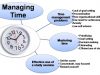
Understanding the Connection between Time Management and Procrastination
Procrastination, the tendency to postpone tasks despite negative consequences, is a common issue that can hinder productivity and well-being. Effective time management plays a crucial role in reducing procrastination by providing individuals with strategies to allocate their time efficiently and prioritize tasks.
Mechanisms of Time Management
- Planning and Prioritizing: Time management involves setting clear goals, breaking down tasks, and prioritizing them based on urgency and importance. This helps individuals create a structured schedule that reduces confusion and avoids overwhelming tasks.
- Time Allocation and Time Blocking: Scheduling specific time slots for tasks and activities ensures that time is allocated effectively. By blocking time for specific tasks, individuals can focus on them without distractions and reduce the likelihood of procrastinating.
- Self-Monitoring and Tracking: Time management involves regularly monitoring progress and identifying areas where time is being wasted. This allows individuals to adjust their strategies and improve their time management skills.
How Time Management Reduces Procrastination
- Eliminates Indecision: Clear planning and prioritization helps individuals make decisions about which tasks to tackle first, reducing the mental effort and anxiety associated with indecision that often leads to procrastination.
- Increases Motivation: When tasks are broken down into manageable chunks and scheduled, it becomes easier to visualize their completion and maintain motivation. The sense of accomplishment from completing small tasks boosts confidence and reduces the perceived burden of large tasks.
- Reduces Overwhelm: Effective time management creates a structured framework that prevents individuals from feeling overwhelmed by the sheer number of tasks. By allocating specific time slots, individuals tackle tasks one at a time, reducing the stress and anxiety that can paralyze action.
- Builds Discipline: Time management requires self-discipline and consistency in adhering to the schedule. Over time, this discipline spills over into other areas of life, including task initiation and completion.
- Increases Self-Efficacy: Success in managing time effectively boosts individuals’ self-belief and perceived ability to handle tasks. This positive self-perception reduces the tendency to postpone challenges.
Conclusion
Effective time management is a powerful tool for reducing procrastination. By providing individuals with strategies to plan, prioritize, and track their time, it eliminates indecision, increases motivation, reduces overwhelm, builds discipline, and enhances self-efficacy. By incorporating these time management principles into daily routines, individuals can gain control over their time and overcome the tendency to postpone tasks.## The Link Between Time Management And Reduced Procrastination
Executive Summary
Procrastination is a common problem that can have a negative impact on our productivity, stress levels, and overall well-being. However effective time management can help reduce procrastination by providing us with the skills and strategies we need to better manage our time. By learning to prioritize tasks, set goals, and create a schedule, we can overcome the temptation to procrastinate and achieve our goals more effectively.
Introduction
Procrastination is defined as the act of delaying or postponing a task or set of tasks. It is a common problem that affects people of all ages and backgrounds. While procrastination can be caused by a variety of factors, it is often linked to poor time management skills.
When we procrastinate, we are essentially putting off tasks that we know we need to do. This can lead to a number of negative consequences, including:
- Increased stress and anxiety: Procrastination can lead to increased stress and anxiety as we worry about the tasks that we are putting off.
- Reduced productivity: Procrastination can lead to reduced productivity as we spend more time worrying about tasks than actually completing them.
- Missed deadlines: Procrastination can lead to missed deadlines, which can have a negative impact on our relationships and our careers.
FAQs
1. What are the benefits of effective time management?
Effective time management can help us to:
- Reduce stress and anxiety
- Increase productivity
- Meet deadlines
- Achieve our goals
2. What are some tips for effective time management?
Some tips for effective time management include:
- Prioritizing tasks
- Setting goals
- Creating a schedule
- Taking breaks
- Avoiding distractions
3. How can I overcome procrastination?
There are a number of strategies that can help to overcome procrastination, including:
- Breaking down large tasks into smaller, more manageable ones
- Setting realistic goals
- Creating a schedule and sticking to it
- Rewarding yourself for completing tasks
- Avoiding distractions
Subtopics
1. Prioritizing Tasks
Prioritizing tasks is one of the most important aspects of effective time management. When we prioritize tasks, we are deciding which tasks are most important and need to be done first. This helps us to focus our time and energy on the tasks that will have the greatest impact on our goals.
Important Pieces:
- Identify your goals: What are your short-term and long-term goals?
- List all of your tasks: Make a list of all of the tasks that you need to complete.
- Categorize your tasks: Categorize your tasks by importance and urgency.
- Prioritize your tasks: Decide which tasks are most important and need to be done first.
- Focus on one task at a time: Once you have prioritized your tasks, focus on completing one task at a time.
2. Setting Goals
Setting goals is another important aspect of effective time management. When we set goals, we are giving ourselves something to strive for. This helps us to stay motivated and focused on our tasks.
Important Pieces:
- Make your goals SMART: Your goals should be specific, measurable, achievable, relevant, and time-bound.
- Write down your goals: Writing down your goals will help you to clarify them and make them more real.
- Break down your goals into smaller steps: Breaking down your goals into smaller steps will make them seem less daunting and more achievable.
- Set deadlines for your goals: Setting deadlines for your goals will help you to stay on track and motivated.
- Reward yourself for achieving your goals: Rewarding yourself for achieving your goals will help you to stay motivated and keep moving forward.
3. Creating a Schedule
Creating a schedule is one of the most effective ways to manage your time. When you have a schedule, you are less likely to procrastinate because you know what you need to do and when you need to do it.
Important Pieces:
- Plan your day in advance: Take some time each day to plan out your schedule for the next day.
- Be realistic: Don’t overload your schedule. Make sure that you have enough time to complete each task without feeling rushed.
- Schedule breaks: It is important to schedule breaks throughout the day to avoid burnout.
- Stick to your schedule: Once you have created a schedule, stick to it as much as possible.
- Be flexible: Things don’t always go according to plan, so be prepared to adjust your schedule as needed.
4. Taking Breaks
Taking breaks is an important part of effective time management. When we take breaks, we give our minds and bodies a chance to rest and recharge. This helps us to stay focused and productive throughout the day.
Important Pieces:
- Take regular breaks: Take short breaks throughout the day, every 20-30 minutes.
- Get up and move around: Get up and move around every hour or so to improve your circulation and energy levels.
- Take a walk: Take a walk outside for 10-15 minutes to get some fresh air and clear your head.
- Meditate: Meditate for 5-10 minutes to relax your mind and body.
- Socialize: Take a break to socialize with friends or family.
5. Avoiding Distractions
Distractions are one of the biggest enemies of productivity. When we are distracted, we lose focus and it becomes difficult to complete tasks.
Important Pieces:
- Identify your distractions: Identify the things that distract you the most.
- Create a distraction-free environment: Create a workspace that is free from distractions.
- Use a timer: Use a timer to stay focused on your tasks.
- Take breaks: Take breaks to avoid burnout and regain your focus.
- Reward yourself: Reward yourself for staying focused and avoiding distractions.
Conclusion
Procrastination is a common problem that can have a negative impact on our productivity, stress levels, and overall well-being. However effective time management can help reduce procrastination by providing us with the skills and strategies we need to better manage our time. By learning to prioritize tasks, set goals, and create a schedule, we can overcome the temptation to procrastinate and achieve our goals more effectively.
Relevant Keyword Tags
- Time management
- Procrastination
- Productivity
- Goals
- Schedule