====== The Future of Education: Transforming Learning Through Virtual Reality and Immersive Experiences ======
In the tapestry of human progress, education stands as a beacon of enlightenment, shaping the minds and destinies of generations. As we gaze into the future, the advent of groundbreaking technologies, such as virtual reality (VR) and immersive learning, promises to revolutionize the educational landscape, unlocking unprecedented opportunities and transforming the way we learn.
Virtual Reality: A Gateway to Limitless Learning
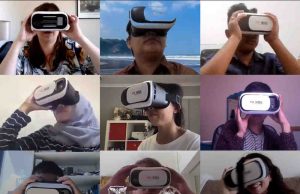
Virtual reality, with its ability to simulate realistic and engaging environments, transports learners into virtual worlds where they can interact with their surroundings, explore complex concepts, and experience learning in a deeply immersive manner. VR provides a safe and controlled environment for students to engage in simulations, conduct experiments, and practice skills without the constraints of the physical world.
Immersive Learning: Enhancing Engagement and Retention
Immersive learning experiences, enhanced by VR and other technologies, captivate learners by immersing them in a multi-sensory environment. This heightened level of engagement not only makes learning more enjoyable but also promotes deeper comprehension and retention. As students actively participate in virtual simulations and interact with virtual objects, they develop a more intuitive understanding of the subject matter.
Personalized and Adaptive Education
The integration of VR and immersive learning into education enables the development of personalized and adaptive learning experiences tailored to the individual needs of each student. By tracking learner progress and identifying areas for improvement, VR-based educational platforms can provide targeted support and adjust the learning path accordingly. This individualized approach empowers students to learn at their own pace and focus on areas where they need additional support.
Future-Proofing Skills and Knowledge
In today’s rapidly changing world, it is imperative for students to develop skills and knowledge that will prepare them for the future workforce. VR and immersive learning play a crucial role in this regard. By providing access to cutting-edge technologies and virtual environments, students can gain hands-on experience in emerging fields, such as robotics, engineering, and healthcare. This early exposure equips them with the necessary skills and confidence to thrive in the digital age.
Unlocking the Potential of Diverse Learners
One of the most significant benefits of VR and immersive learning is their ability to cater to the needs of diverse learners. VR experiences can be designed to accommodate different learning styles, address language barriers, and provide accessible educational opportunities for all students, regardless of their background or abilities. By creating inclusive learning environments, VR and immersive technologies promote equity and ensure that all learners have the opportunity to reach their full potential.
Conclusion
The future of education lies in the transformative power of virtual reality and immersive learning. These technologies have the potential to revolutionize the way we teach and learn, creating more engaging, personalized, and future-proofed educational experiences. As we embrace the limitless possibilities of VR and immersive learning, we pave the way for a brighter and more equitable future for education, where every learner has the opportunity to unlock their full potential.
Secondary Keywords:
- Digital Education
- Emerging Technologies
- Immersive Simulations
- Learning Revolution
- Personalized Learning