Transforming Education with Virtual Reality and Immersive Learning
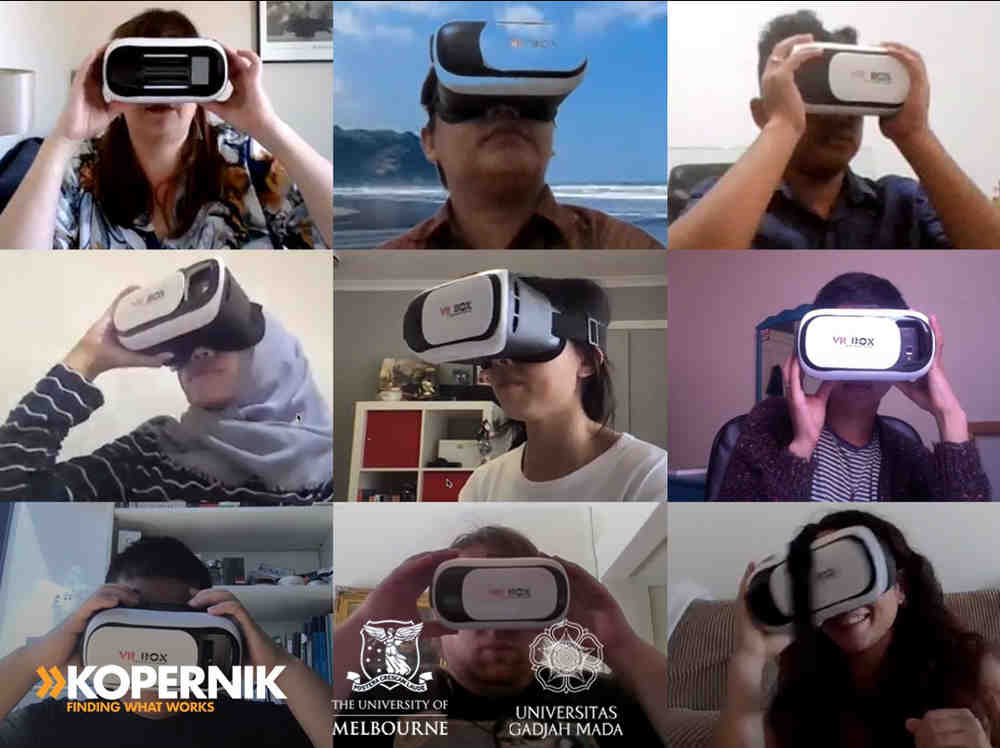
Virtual Reality (VR) and Immersive Learning (IL) are revolutionizing the educational landscape, offering innovative and engaging ways to enhance knowledge acquisition and skill development.
Enhanced Engagement and Motivation
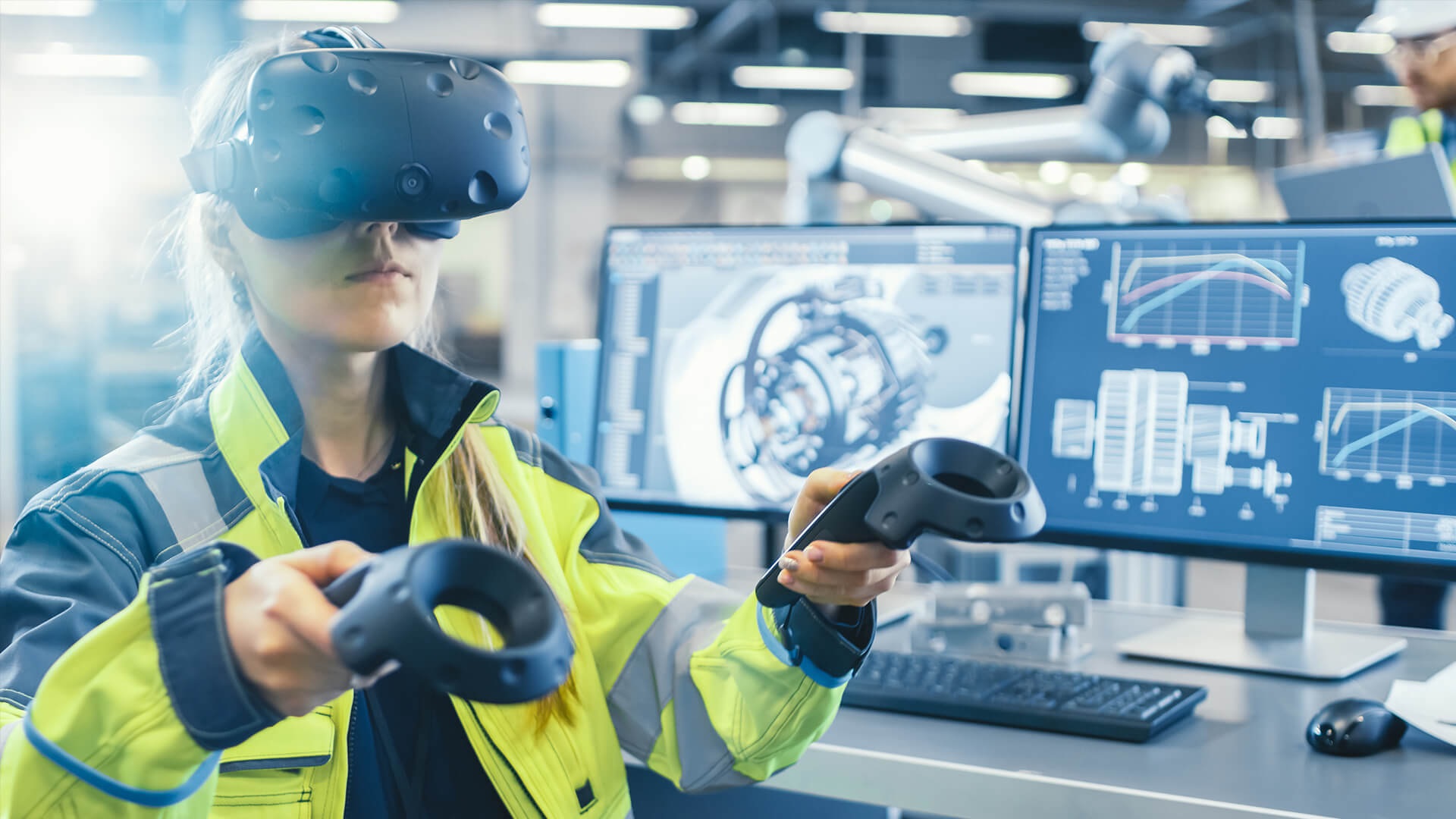
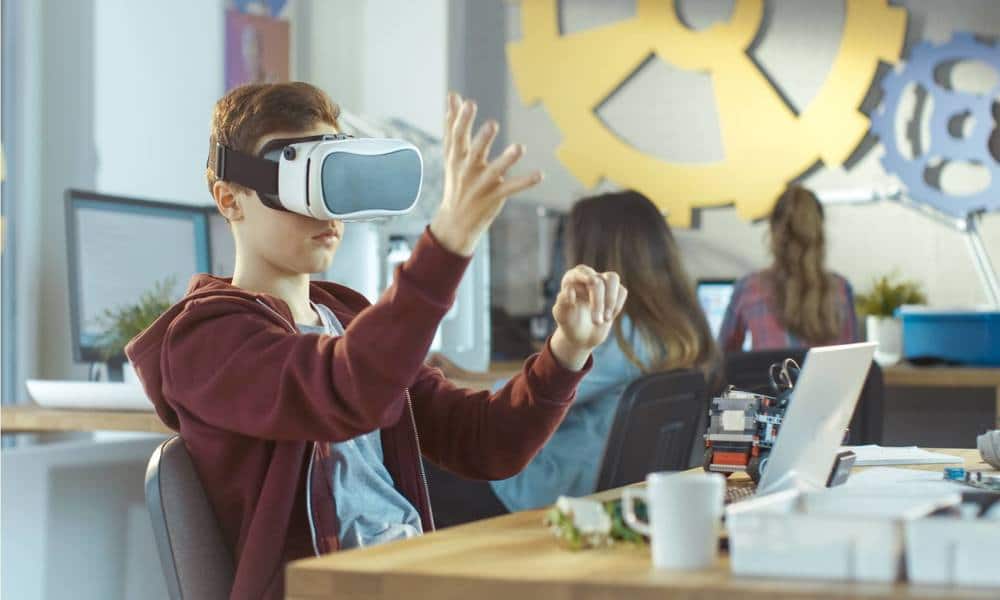
- VR creates immersive simulations that transport learners to virtual worlds, capturing their attention and increasing motivation.
- IL employs multisensory experiences, such as 360-degree videos and interactive simulations, to make learning more stimulating.
Improved Understanding and Retention
- VR allows learners to interact with complex concepts and objects in a realistic setting, improving their spatial reasoning and problem-solving skills.
- IL uses visual and auditory cues to create memorable learning experiences, facilitating better recall and understanding.
Personalized and Accessible Learning
- VR and IL provide customized learning paths tailored to individual learning styles and needs.
- These technologies break down geographical barriers, enabling learners from remote areas to access high-quality education.
Practical Examples of VR and IL in Education
- Medical Education: VR simulations allow medical students to practice complex surgeries and procedures safely and realistically.
- STEM Education: Learners can explore molecular structures in VR or conduct virtual experiments to deepen their understanding of scientific concepts.
- Language Learning: VR transports learners to immersive environments where they can interact with native speakers and practice authentic conversations.
- History and Culture: VR enables learners to virtually visit historical sites and experience different cultures firsthand.
- Soft Skills Development: IL provides safe and controlled environments for learners to practice communication, teamwork, and leadership skills.
Benefits for Educators and Learners
- Enhanced Teaching Efficiency: VR and IL free up teachers’ time by automating lesson delivery and providing self-paced learning modules.
- Personalized Feedback: These technologies offer real-time performance analysis and personalized feedback, helping learners identify areas for improvement.
- Increased Student Success: VR and IL have been shown to improve test scores, engagement, and graduation rates.
Challenges and Considerations
- Cost and Accessibility: VR and IL technologies can be expensive to implement and maintain.
- Motion Sickness: Some VR experiences can induce motion sickness in certain individuals.
- Isolation Concerns: VR can create a sense of isolation if used excessively.
Conclusion
Virtual Reality and Immersive Learning are transformative technologies that have the potential to revolutionize education. By enhancing engagement, improving understanding, and personalizing learning experiences, VR and IL empower both educators and learners to achieve better outcomes. As these technologies continue to evolve, they will play an increasingly vital role in shaping the future of education.## Transforming Education Through Virtual Reality And Immersive Learning
Executive Summary
Virtual reality (VR) and immersive learning are revolutionizing education by providing students with engaging and interactive learning experiences. This article explores the benefits and applications of VR and immersive learning in education, highlighting its impact on student engagement, knowledge retention, and personalized learning.
Introduction
Traditional education methods are facing challenges in keeping pace with the rapidly changing needs of students and the evolving job market. VR and immersive learning offer innovative solutions to these challenges by creating immersive and interactive learning environments that enhance student engagement and improve learning outcomes.
FAQs
1. What is Virtual Reality (VR)?
VR is a technology that creates a simulated environment that can be explored and interacted with using a VR headset. It provides users with a fully immersive experience, allowing them to feel like they are actually present in the virtual world.
2. What is Immersive Learning?
Immersive learning encompasses a range of technologies and methodologies that engage students in a highly interactive and immersive way. VR, augmented reality (AR), and 360-degree videos are examples of immersive learning tools.
3. How Can VR and Immersive Learning Be Used in Education?
VR and immersive learning can be used across various educational settings and subjects. It allows students to:
- Experience historical events from a first-person perspective
- Explore complex scientific concepts through interactive simulations
- Develop practical skills in virtual training environments
Top 5 Subtopics
1. Increased Student Engagement
VR and immersive learning create highly engaging experiences that capture students’ attention and make learning more enjoyable.
- Immersive Environments: VR places students directly in engaging virtual environments, enhancing their attention and focus.
- Interactive Simulations: Immersive learning simulations allow students to actively participate in learning experiences, fostering interest and motivation.
- Gamification: VR and immersive learning can incorporate game-like elements to make learning fun and competitive.
2. Enhanced Knowledge Retention
Immersive learning experiences create a deeper understanding and lasting memory of concepts.
- Multisensory Stimulation: VR engages multiple senses, reinforcing learning and improving memory recall.
- Experiential Learning: Immersive learning provides hands-on experiences that allow students to apply knowledge practically, leading to better retention.
- Emotional Connection: VR creates an emotional connection to learning material, making it more impactful and memorable.
3. Personalized Learning
VR and immersive learning enable tailored learning experiences that cater to individual student needs.
- Adaptive Learning: VR can adjust the learning experience based on student performance, providing personalized challenges and support.
- Customized Environments: Virtual environments can be tailored to meet specific learning styles and preferences.
- Self-Paced Learning: Immersive learning allows students to progress at their own pace, fostering self-directed learning.
4. Improved Social Learning
While VR can be used for individual learning, it also offers opportunities for social interaction.
- Collaborative Virtual Environments: VR allows students to interact with peers in virtual classrooms and collaborate on projects.
- Social Skills Development: Immersive learning experiences can help students develop social skills by practicing communication and collaboration in virtual environments.
- Peer-to-Peer Learning: VR platforms can connect students from different locations, fostering peer-to-peer learning and global collaboration.
5. Practical Training and Simulations
VR and immersive learning offer valuable opportunities for practical training and simulations in various fields.
- Realistic Training: Virtual environments provide realistic simulations for training in high-stakes industries such as healthcare, aviation, and engineering.
- Safety and Risk-Free Training: Immersive simulations allow students to practice risky or dangerous procedures in a safe and controlled environment.
- Skill Assessment and Evaluation: VR can be used to assess student skills and provide feedback on performance in a realistic setting.
Conclusion
Virtual reality and immersive learning are transforming education by making learning more engaging, effective, and personalized. As VR technology continues to advance, its potential for educational applications will expand, creating even more transformative learning experiences for students worldwide.
Keyword Tags
- Virtual Reality in Education
- Immersive Learning
- Student Engagement
- Knowledge Retention
- Personalized Learning