Intelligent Tutoring Systems: A Catalyst for Revolutionizing Education
Artificial Intelligence (AI) is poised to revolutionize the education landscape, and Intelligent Tutoring Systems (ITSs) are at the forefront of this transformation. Here’s how ITSs are unlocking the power of AI to enhance teaching and learning:
Personalized Learning Paths:
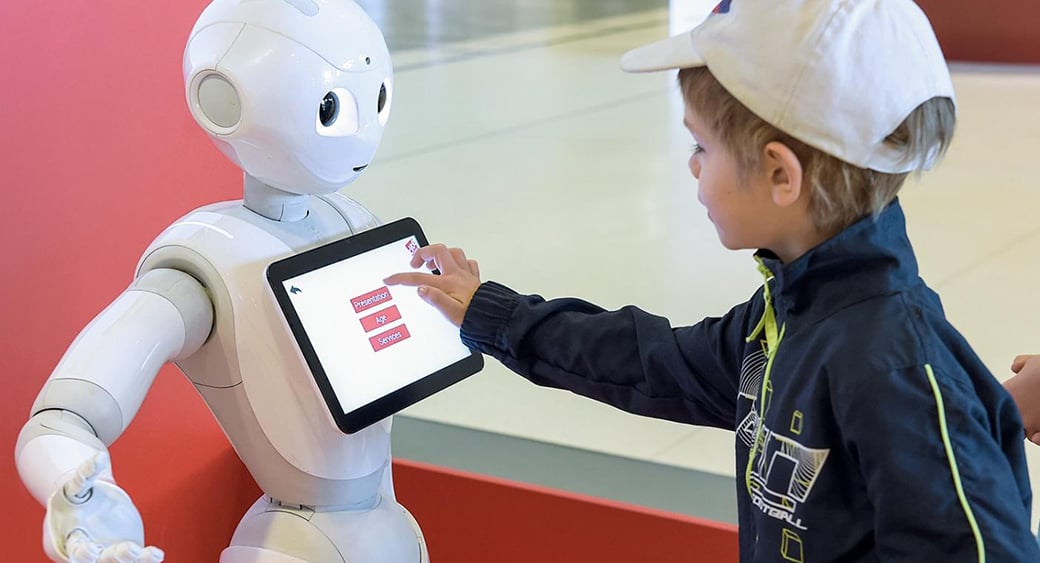
ITSs leverage AI algorithms to create tailored learning experiences for each student. They analyze individual student data, identifying strengths and areas for improvement, and generate personalized learning paths accordingly. This allows students to progress at their own pace and focus on the areas where they need additional support.
Automated Assessment and Feedback:
ITSs provide real-time feedback on student performance through automated assessment. AI-powered chatbots or virtual assistants can engage in natural language interactions, providing personalized guidance and helping students identify misconceptions. This immediate feedback loop promotes self-reflection and allows students to address errors promptly.
Skill Development and Mastery:
ITSs employ AI techniques such as reinforcement learning and adaptive algorithms to help students master complex skills. By providing interactive simulations, virtual laboratories, and gamified learning challenges, ITSs create engaging and effective environments for skill acquisition.
Cognitive Support and Metacognition:
AI-powered ITSs can scaffold students’ cognitive processes, providing hints, reminders, and prompts to guide them through complex tasks. They also foster metacognition by empowering students to reflect on their own learning progress and identify areas for improvement.
Gamification and Engagement:
ITSs leverage AI to create interactive and gamified learning experiences that motivate students. Leaderboards, rewards, and progress trackers engage students and make learning more enjoyable and rewarding.
Empowering Teachers:
ITSs serve as powerful tools to support teachers, freeing up their time from routine tasks such as grading and providing individualized feedback. By automating these processes, teachers can focus on higher-level responsibilities like curriculum development and student mentoring.
Benefits for Students:
- Improved learning outcomes and skill mastery
- Personalized and adaptive learning experiences
- Enhanced engagement and motivation
- Real-time feedback and progress tracking
- Support for cognitive development and metacognition
Benefits for Educators:
- Time savings and increased efficiency
- Improved student assessment and feedback
- Data-driven insights for curriculum refinement
- Enhanced collaboration and professional development
Conclusion:
Intelligent Tutoring Systems are revolutionizing education by harnessing the power of AI to personalize learning, enhance skill development, and empower both students and educators. As AI advances, we can expect ITSs to continue to evolve, paving the way for a more equitable, effective, and transformative educational experience for all.## Unleashing The Power Of Artificial Intelligence In Education With Intelligent Tutoring Systems
Executive Summary
Intelligent Tutoring Systems (ITS) are revolutionizing education by leveraging artificial intelligence (AI) to personalize learning experiences, enhance engagement, and improve student outcomes. This article explores the transformative potential of ITS, delving into its key features, applications, and the benefits it offers in the educational landscape.
Introduction
The integration of AI into education is unlocking unprecedented opportunities to enhance teaching and learning practices. Intelligent Tutoring Systems stand as a testament to this transformative potential, offering a tailored and engaging learning environment that caters to the unique needs of each student.
FAQs
1. What is an Intelligent Tutoring System?
An ITS is an AI-powered software that simulates human tutors, providing personalized learning experiences by adapting to the student’s knowledge level, learning style, and progress.
2. How does an ITS work?
ITS employs various AI techniques, such as natural language processing, machine learning, and expert systems, to create a dynamic learning environment that adapts to the student’s responses and provides tailored feedback.
3. What are the benefits of using an ITS?
ITS offer numerous benefits, including personalized learning, improved engagement, enhanced student motivation, and increased learning efficiency.
Top 5 Subtopics
1. Personalized Learning
ITS provide students with customized learning experiences tailored to their individual needs and learning goals. Key features include:
- Adaptive Content: Content is tailored to the student’s knowledge level and learning style, eliminating the need for repetitive tasks.
- Real-Time Feedback: Students receive immediate feedback on their work, helping them identify areas for improvement.
- Personalized Guidance: ITS provide individualized support and guidance, offering tailored assistance and encouragement.
2. Enhanced Engagement
ITS make learning more engaging and interactive, capturing students’ attention and fostering a positive learning environment. Key features include:
- Gamification: ITS incorporate game-like elements to make learning enjoyable and motivating.
- Interactive Simulations: Students interact with simulations and virtual environments to develop practical skills.
- Virtual Reality (VR): ITS use VR to create immersive learning experiences that enhance student engagement.
3. Improved Student Motivation
ITS motivate students by providing a sense of accomplishment and personalized challenges. Key features include:
- Progress Tracking: Students can track their progress and visualize their achievements, fostering motivation.
- Adaptive Difficulty: ITS adjust the difficulty level based on student performance, keeping them challenged and engaged.
- Personalized Rewards: Students receive tailored rewards and recognition for their efforts, enhancing their motivation.
4. Increased Learning Efficiency
ITS optimize learning by identifying students’ strengths and weaknesses, and focusing on areas that need improvement. Key features include:
- Automated Grading: ITS automate the grading process, allowing teachers to focus on providing individualized support.
- Diagnostic Assessment: ITS conduct diagnostic assessments to identify students’ misconceptions and learning gaps.
- Targeted Interventions: ITS provide targeted interventions based on student performance, addressing specific learning challenges.
5. Teacher Empowerment
ITS empower teachers by providing them with data-driven insights and tools to better understand their students. Key features include:
- Student Analytics: ITS provide detailed analytics on student performance, helping teachers identify areas for improvement.
- Differentiated Instruction: ITS enable teachers to differentiate instruction based on student needs, providing tailored support.
- Professional Development: ITS offer professional development opportunities for teachers, helping them leverage technology effectively.
Conclusion
Intelligent Tutoring Systems are transforming education by providing personalized, engaging, and efficient learning experiences. Their ability to adapt to individual student needs, enhance motivation, and empower teachers makes ITS an indispensable tool in the future of education. As AI continues to advance, ITS will undoubtedly play an increasingly vital role in shaping the educational landscape.
Keyword Tags
- Intelligent Tutoring Systems
- Artificial Intelligence in Education
- Personalized Learning
- Enhanced Engagement
- Improved Student Outcomes