The Future of Education: Exploring the Potential of Online Learning
Introduction

The digital revolution has transformed various aspects of society, including the field of education. Online learning, or e-learning, has emerged as a transformative force, reshaping the way we acquire and disseminate knowledge. This essay will explore the potential of online learning in shaping the future of education.

Advantages of Online Learning
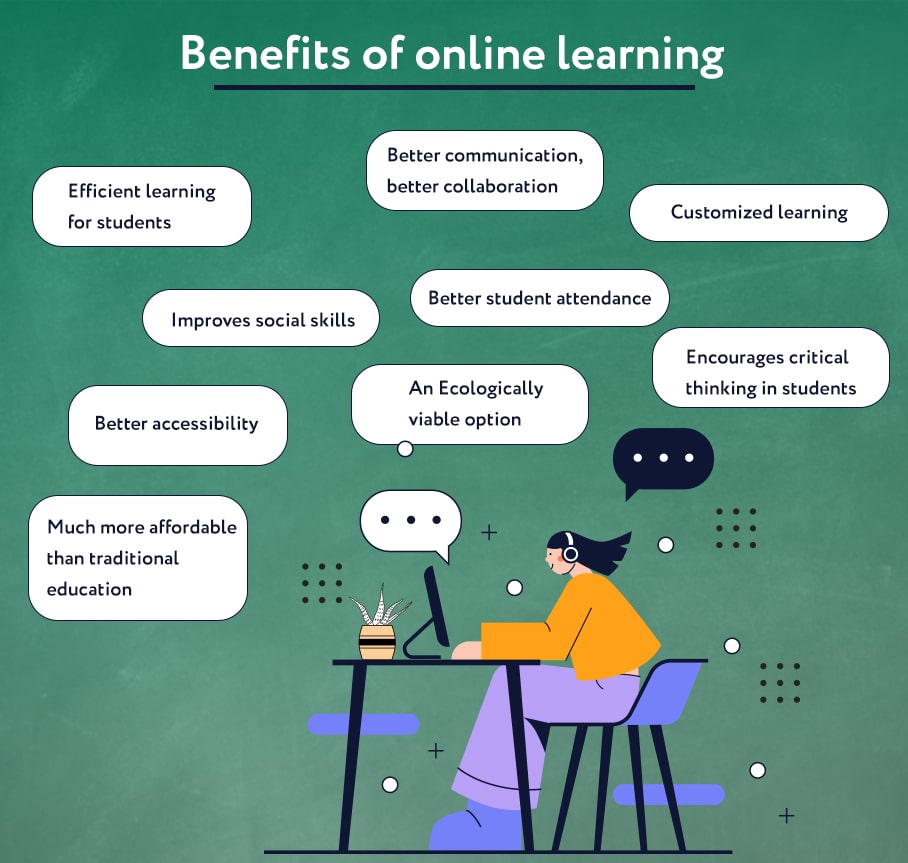
- Flexibility and Accessibility: Online learning offers unparalleled flexibility, allowing students to learn at their own pace and on their own time. It also eliminates geographical barriers, making education accessible to individuals who may not have access to traditional educational institutions.
- Customization and Personalization: Online platforms enable personalized learning experiences tailored to individual needs and interests. Students can select courses, modules, and resources that align with their unique strengths and goals.
- Global Perspectives and Collaboration: Online learning connects students and educators from across the globe, fostering collaboration and cross-cultural exchange. This promotes a broader worldview and prepares students for a globalized workplace.
- Cost and Time Savings: Compared to traditional education, online learning can be more cost-effective and time-efficient. Students can save on transportation and accommodation expenses and complete their studies at a faster pace.
Challenges of Online Learning
- Lack of Interaction: The absence of face-to-face interactions can present challenges for students who thrive in a collaborative and social learning environment.
- Technical Issues: Technical difficulties, such as poor internet connectivity or hardware failures, can disrupt the learning process and lead to frustration.
- Self-Discipline and Motivation: Online learning requires a high level of self-discipline and motivation. Students need to be able to manage their time effectively and stay engaged without the structured environment of a classroom.
- Educational Equity: Access to technology and reliable internet connections may not be equitable across all socioeconomic groups, creating potential barriers for underprivileged students.
Transformative Potential
Despite its challenges, online learning holds immense potential to transform education. Here are some ways it can shape the future:
- Hybrid and Blended Learning: Online learning can be integrated with traditional classroom instruction to create blended learning models. This allows for a flexible and customizable educational experience that combines the advantages of both approaches.
- Micro-Credentials and Personalized Learning Pathways: Online platforms facilitate the creation of micro-credentials and personalized learning pathways. This enables individuals to acquire specific skills and knowledge in a targeted and efficient manner.
- Lifelong Learning and Skill Development: Online learning makes it easier for individuals to pursue lifelong learning and upskill throughout their careers. It provides accessible and affordable opportunities for professionals to stay up-to-date with industry trends.
- Global Education and Workforce Mobility: Online learning promotes global education and workforce mobility. Students and professionals can access courses and programs from reputable institutions worldwide, regardless of their location.
Conclusion
Online learning is rapidly changing the landscape of education. Its flexibility, accessibility, and personalized nature hold great potential for shaping the future of education. While challenges remain, ongoing innovations and advancements in technology will continue to address these issues and further unlock the transformative possibilities of e-learning. By embracing online learning, we can create a more equitable, accessible, and engaging educational system that empowers learners throughout their lives and careers.## The Future Of Education: Exploring The Potential Of Online Learning
Executive Summary
Online learning has emerged as a transformative force in the education landscape, offering unparalleled opportunities for accessible, flexible, and personalized learning experiences. This article delves into the multifaceted potential of online learning, exploring its advantages, challenges, and future prospects.
Introduction
In the rapidly evolving digital era, the traditional confines of brick-and-mortar classrooms are giving way to the limitless possibilities of online learning. With internet connectivity reaching every corner of the globe, online education platforms are democratizing access to knowledge and empowering learners to pursue their educational goals regardless of time, location, or financial constraints.
FAQs
1. What are the Key Benefits of Online Learning?
- Flexibility: Online learning allows students to learn at their own pace and on their own time, accommodating busy schedules and personal commitments.
- Accessibility: Online courses are available 24/7, making education accessible to individuals who may face physical or geographical barriers to traditional schooling.
- Personalized Learning: Online platforms can tailor learning experiences to individual needs and learning styles, providing targeted support and resources.
2. What are the Challenges of Online Learning?
- Lack of Social Interaction: Online learning can sometimes lack the face-to-face interactions of traditional classrooms, which can be crucial for social development and group work.
- Technical Issues: Students may encounter technical difficulties with devices, software, or internet connectivity, which can disrupt learning.
- Self-Discipline: Online learning requires high levels of self-discipline and time management skills, as students are not under the direct supervision of a teacher.
3. What is the Future of Online Learning?
- Virtual Reality (VR) and Augmented Reality (AR): VR and AR technologies are expected to revolutionize online learning experiences by creating immersive and interactive virtual environments.
- Artificial Intelligence (AI): AI-powered chatbots, virtual assistants, and adaptive learning systems will enhance personalized learning and provide tailored support to students.
- Gamification: Gamification techniques will be integrated into online learning to make learning more engaging and motivating for students.
Key Subtopics
Asynchronous Learning
- Definition: Learners access course materials and complete assignments on their own time, without the need for real-time interactions.
- Key Features:
- Self-paced learning
- Flexible schedules
- Independent study
Synchronous Learning
- Definition: Learners participate in live online classes and interact with instructors and peers in real time.
- Key Features:
- Real-time interactions
- Instructor-led discussions
- Group projects
Blended Learning
- Definition: A combination of online and in-person learning, where students engage in both synchronous and asynchronous activities.
- Key Features:
- Flexibility and personalization
- Enhanced engagement and retention
- Reduced costs
Adaptive Learning
- Definition: Online learning platforms that use AI to personalize learning experiences based on individual progress and learning styles.
- Key Features:
- Targeted content and activities
- Real-time feedback and support
- Improved learning outcomes
Virtual Classrooms
- Definition: Online platforms that recreate the classroom environment, providing virtual spaces for synchronous learning, group discussions, and interactive simulations.
- Key Features:
- Immersive learning experiences
- Enhanced collaboration
- Simulated real-world scenarios
Conclusion
Online learning is poised to continue its transformative journey, reshaping the future of education. As technology advances and adoption rates increase, online learning platforms will become even more sophisticated, personalized, and immersive. By embracing the potential of online learning, we can create a more equitable, accessible, and engaging education system that empowers learners to succeed in the 21st century and beyond.
Keyword Tags
- Online Learning
- Education Technology
- Asynchronous Learning
- Blended Learning
- Virtual Classrooms