The Impact of Time Management on Student Success
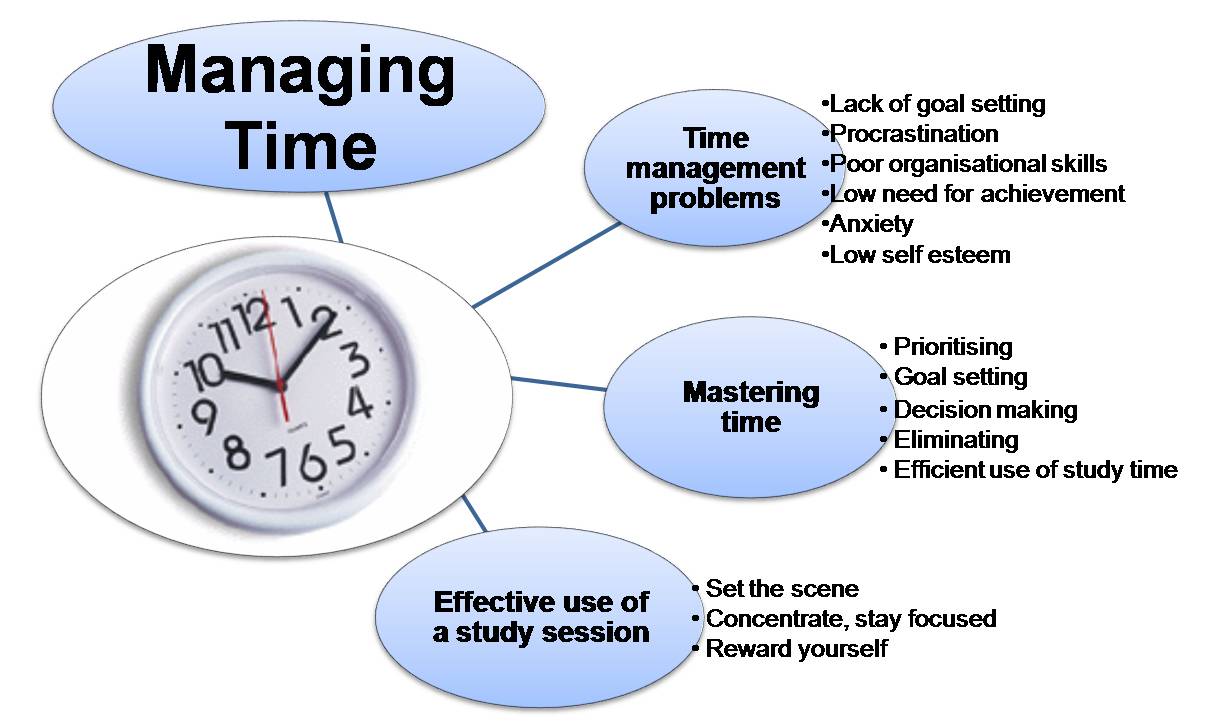
Time management is a crucial skill for students as it directly impacts their academic performance, well-being, and overall success. Effective time management enables students to optimize their study schedules, prioritize tasks, and achieve their academic goals while maintaining a balanced lifestyle.
Benefits of Effective Time Management
- Improved Academic Performance: Students who manage their time effectively can dedicate adequate time to studying, completing assignments, and preparing for exams, resulting in better grades.
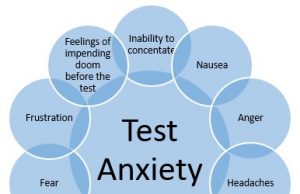
- Reduced Stress and Anxiety: By managing time wisely, students avoid feeling overwhelmed and stressed by deadlines, as they have ample time to complete their tasks.
- Increased Efficiency and Productivity: Effective time management allows students to maximize their study time and complete tasks more efficiently, freeing up time for other activities.
- Improved Focus and Concentration: Students who prioritize their tasks and allocate specific time slots for study can focus better and enhance their concentration.
- Enhanced Self-Discipline and Motivation: Successful time management requires self-discipline and the ability to motivate oneself. This can translate into improved study habits and a positive attitude towards academic pursuits.
Strategies for Effective Time Management
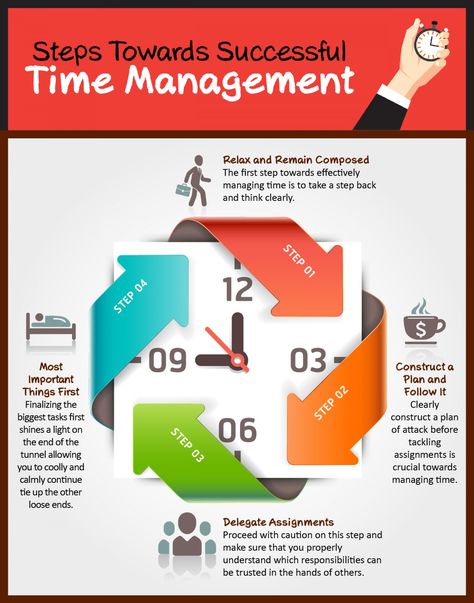
- Set Realistic Goals: Break down large tasks into smaller, manageable chunks to avoid feeling overwhelmed.
- Prioritize Tasks: Identify the most important tasks and allocate more time to them.
- Create a Schedule: Plan a realistic study schedule that includes specific time slots for study, breaks, assignments, and leisure activities.
- Minimize Distractions: Eliminate distractions such as social media, electronic devices, and unnecessary noise to improve focus and concentration.
- Utilize Technology: Use apps and tools to help track tasks, set reminders, and create schedules.
- Seek Support: If needed, seek guidance from teachers, counselors, or tutors to optimize time management strategies.
Negative Consequences of Poor Time Management
- Poor Academic Performance: Students who fail to manage their time effectively may struggle to keep up with assignments, miss deadlines, and experience academic setbacks.
- Increased Stress and Anxiety: Feeling overwhelmed and behind schedule can lead to stress and anxiety, which can negatively impact mental health and overall well-being.
- Burnout and Procrastination: Poor time management can lead to burnout and a tendency to procrastinate, which can create a cycle of stress and underachievement.
- Reduced Motivation: Students who are constantly struggling to manage their time may lose motivation and feel discouraged from pursuing academic goals.
Conclusion
Time management is an essential skill for students of all ages and academic levels. Effective time management fosters academic success, reduces stress, enhances productivity, and promotes a balanced lifestyle. By adopting effective time management strategies, students can maximize their potential, achieve their academic goals, and lay the foundation for future success in various aspects of life.## The Impact Of Time Management On Student Success
Executive Summary
Time management is a crucial skill that allows students to organize their schedules, prioritize tasks, and maximize their productivity. It is an essential component of student success, as it enables students to complete assignments on time, study effectively, participate in extracurricular activities, and maintain a healthy work-life balance. This article delves into the profound impact of time management on student success, exploring key strategies and benefits, as well as addressing common challenges and providing practical solutions.
Introduction
In today’s fast-paced academic environment, students are constantly juggling multiple responsibilities and deadlines. Effectively managing their time allows them to accomplish their goals while minimizing stress and anxiety. This article provides a comprehensive guide to time management, empowering students with the skills and knowledge necessary to excel in their studies and beyond.
FAQs
- Why is time management important for students?
- How can students improve their time management skills?
- What are the benefits of effective time management for students?
Key Subtopics
1. Prioritization and Goal Setting
Prioritizing tasks and setting clear goals are fundamental to effective time management. Students must identify their most urgent and important tasks and allocate their time accordingly. This involves breaking down large projects into smaller, manageable steps and creating a realistic schedule that allows for both academic and personal commitments.
- Create a to-do list: Write down all tasks that need to be completed, prioritizing them based on importance and urgency.
- Use a planner or calendar: Mark important dates, deadlines, and appointments to visualize your schedule and identify potential conflicts.
- Set SMART goals: Ensure that your goals are specific, measurable, achievable, relevant, and time-bound.
- Delegate tasks: Consider delegating responsibilities to others when possible, such as forming study groups or seeking help from classmates or family members.
2. Time Allocation and Scheduling
Once tasks have been prioritized, students need to allocate their time wisely. Creating a realistic schedule and sticking to it is crucial for maximizing productivity. This involves scheduling specific time slots for studying, completing assignments, participating in extracurricular activities, socializing, and relaxation.
- Use a time management tool: Utilize apps or software designed for time management, such as calendars, task managers, and reminders.
- Break down large tasks: Divide extensive assignments or projects into smaller, more manageable chunks, making them less daunting and easier to complete.
- Avoid procrastination: Start working on tasks early to prevent stress and ensure timely completion.
- Reward yourself: Set small rewards for completing tasks to stay motivated and on track.
3. Time Management Techniques
Various time management techniques can help students improve their efficiency and productivity. These techniques include:
- Pomodoro Technique: Alternating between focused work sessions and short breaks to maintain focus and prevent burnout.
- Eisenhower Matrix: Prioritizing tasks based on urgency and importance, focusing on urgent and important tasks first.
- Time Blocking: Allocating specific time slots to different tasks, creating a structured schedule that reduces distractions.
- Batch Processing: Grouping similar tasks together and completing them in one go to save time and minimize interruptions.
4. Overcoming Challenges
Students may face various challenges in managing their time effectively, such as:
- Distractions: Identifying and eliminating distractions, such as social media, noise, and clutter, is crucial for maintaining focus.
- Multitasking: While tempting, multitasking often reduces productivity. Focus on completing one task at a time to avoid errors and save time.
- Fear of failure: Addressing and overcoming fear of failure can help students stay motivated and avoid procrastination.
- Lack of motivation: Finding ways to stay motivated, such as setting realistic goals, rewarding yourself, and connecting tasks to personal interests, can boost productivity.
5. Benefits of Effective Time Management
Effective time management brings numerous benefits for students, including:
- Reduced stress: Managing time effectively can significantly reduce stress levels by preventing last-minute panic and feelings of overwhelm.
- Improved academic performance: Completing assignments on time, studying effectively, and participating in class discussions all contribute to improved academic performance.
- Increased productivity: Students who manage their time well can accomplish more in less time, freeing up time for other pursuits.
- Improved work-life balance: Effective time management allows students to make time for both academic and personal commitments, promoting a healthy balance.
- Enhanced self-discipline: Managing time effectively requires self-discipline, which is a valuable skill that can benefit students in all aspects of life.
Conclusion
Effective time management is an indispensable skill for student success. By prioritizing tasks, setting clear goals, allocating time wisely, utilizing time management techniques, and addressing challenges, students can maximize their productivity, reduce stress, improve their academic performance, and maintain a healthy work-life balance. Embracing the principles and strategies outlined in this article can empower students to achieve their academic goals and unlock their full potential.
Keyword Tags
- Time management for students
- Prioritization and goal setting
- Time allocation and scheduling
- Time management techniques
- Benefits of effective time management