Introduction
Exercise has been shown to have numerous benefits for both physical and mental health. However, its impact on academic performance in college has been less studied. This essay will explore the link between exercise and academic performance in college, examining the evidence and discussing the potential mechanisms through which exercise may enhance academic outcomes.
Evidence for the Link
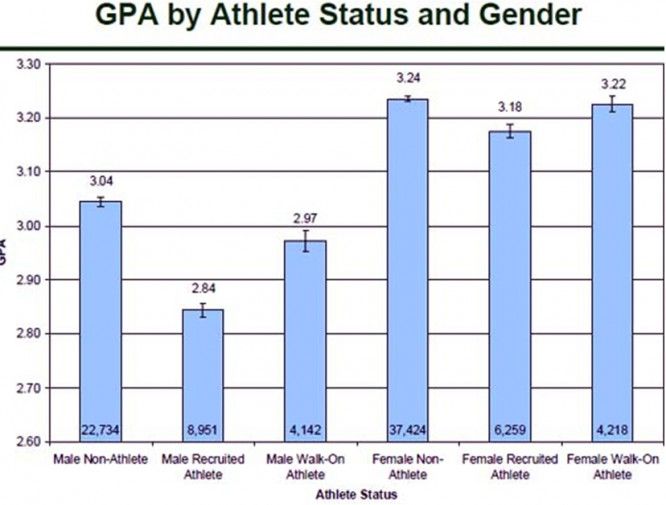
A growing body of research suggests that regular exercise is associated with improved academic performance in college students. For example, a study published in the Journal of Sports Medicine and Physical Fitness found that college students who engaged in moderate-intensity exercise for at least 150 minutes per week had higher GPAs than those who did not exercise. Similarly, a study in the Journal of Adolescent Health found that students who participated in extracurricular sports had higher standardized test scores than those who did not.
Potential Mechanisms
There are several potential mechanisms through which exercise may enhance academic performance. These mechanisms include:
- Improved cognitive function: Exercise has been shown to increase blood flow to the brain, which can improve cognitive function, including attention, memory, and problem-solving skills.
- Reduced stress and anxiety: Exercise has been shown to reduce stress and anxiety levels, which can interfere with academic performance.
- Improved sleep quality: Regular exercise can improve sleep quality, which is essential for academic success. When students get enough sleep, they are more alert and focused during class and can better retain information.
- Enhanced motivation: Exercise can increase motivation levels, which can lead to better academic performance. When students feel more motivated, they are more likely to engage in academic activities and achieve their goals.
Recommendations
Based on the available evidence, it is clear that exercise can have a positive impact on academic performance in college. Therefore, it is recommended that college students incorporate regular exercise into their routines. Aim for at least 150 minutes of moderate-intensity exercise or 75 minutes of vigorous-intensity exercise per week. Choose activities that you enjoy and that fit into your schedule. Even small amounts of exercise can make a difference.
Conclusion
The link between exercise and academic performance in college is well-established. Exercise has been shown to improve cognitive function, reduce stress and anxiety, improve sleep quality, and enhance motivation. By incorporating regular exercise into their routines, college students can improve their academic performance and overall well-being.## The Link Between Exercise and Academic Performance in College
Executive Summary

Numerous studies have established a positive correlation between exercise and academic performance in college students. Regular physical activity enhances cognitive function, reduces stress, and improves mental well-being, all of which contribute to enhanced academic outcomes.
Introduction

In today’s competitive academic environment, college students are constantly striving to improve their performance. While academic pursuits often take center stage, the importance of exercise should not be overlooked. Research consistently shows that regular physical activity can significantly boost academic outcomes. This article delves into the intricate link between exercise and academic performance, exploring the mechanisms behind this positive correlation and providing practical tips for students to incorporate exercise into their busy schedules.
FAQs
- How much exercise do college students need? According to the Centers for Disease Control and Prevention (CDC), adults aged 18-64 should engage in at least 150 minutes of moderate-intensity aerobic activity or 75 minutes of vigorous-intensity aerobic activity per week.
- What are the benefits of exercise for college students? Exercise has been shown to improve cognitive function, reduce stress, enhance mood, and boost energy levels.
- How can college students fit exercise into their busy schedules? Students can find time for exercise by setting aside specific time slots in their schedules, joining group fitness classes, or incorporating physical activity into their daily routines (e.g., walking or biking to class).
Subtopics
Improved Cognitive Function
Exercise increases blood flow to the brain, delivering oxygen and nutrients essential for cognitive processes. It promotes the production of neurotransmitters, such as dopamine and serotonin, which enhance mood, focus, and memory.
- Enhanced memory: Physical activity stimulates the growth of new neurons and strengthens synaptic connections in the brain, leading to improved memory consolidation and recall.
- Increased attention: Exercise improves attention and concentration by activating the prefrontal cortex, which is responsible for executive function.
- Faster processing speed: Regular physical activity increases the speed at which the brain processes information, allowing for quicker thinking and decision-making.
- Improved problem-solving abilities: Exercise enhances problem-solving skills by boosting working memory capacity and cognitive flexibility.
Reduced Stress
Exercise acts as a natural stress reliever by reducing levels of cortisol, the stress hormone. It stimulates the release of endorphins, which have mood-boosting effects and promote relaxation.
- Lower stress levels: Physical activity helps to manage stress by providing a physical outlet for pent-up emotions and reducing overall tension.
- Improved mood: Exercise elevates mood by increasing the production of serotonin and dopamine, neurotransmitters associated with happiness and well-being.
- Enhanced sleep quality: Exercise promotes better sleep, which is crucial for cognitive function and academic performance.
Improved Mental Well-Being
Exercise contributes to improved self-esteem and reduced symptoms of anxiety and depression. It boosts confidence levels and fosters a positive body image.
- Increased self-esteem: Success in physical activities can boost self-esteem and promote a sense of accomplishment.
- Reduced anxiety: Exercise provides a healthy coping mechanism for stress and anxiety, helping to regulate emotions.
- Lowered depression risk: Regular physical activity has been shown to reduce the risk of developing depression by improving mood and reducing negative thought patterns.
Enhanced Energy Levels
Exercise increases oxygen uptake and improves cardiovascular health, resulting in boosted energy levels. This increased energy translates into improved focus, concentration, and productivity.
- Increased alertness: Physical activity enhances blood flow to the brain, leading to increased alertness and mental clarity.
- Reduced fatigue: Regular exercise strengthens the body and reduces fatigue, allowing students to sustain attention for longer periods.
- Improved endurance: Exercise builds stamina and endurance, enabling students to engage in sustained academic pursuits without experiencing excessive fatigue.
Better Sleep Quality
Exercise regulates sleep patterns by stabilizing circadian rhythms. It also promotes relaxation and reduces stress levels, which contribute to better sleep quality.
- Improved sleep quality: Physical activity helps to establish a regular sleep-wake cycle, leading to more restful and restorative sleep.
- Reduced sleep disturbances: Exercise can minimize sleep disturbances, such as insomnia or restless sleep, by reducing stress and anxiety.
- Increased REM sleep: Regular physical activity increases the duration of REM (rapid eye movement) sleep, which is associated with improved memory consolidation.
Conclusion
The evidence overwhelmingly supports the positive correlation between exercise and academic performance in college students. By understanding the mechanisms behind this link, students can harness the benefits of physical activity to enhance their cognitive function, reduce stress, improve their mental well-being, boost their energy levels, and ultimately excel in their academic pursuits. Incorporating regular exercise into their daily routines is an invaluable investment in their academic success and overall well-being.
Keyword Tags
- Exercise
- Academic performance
- College students
- Cognitive function
- Stress management
- Mental health
- Energy levels
- Sleep quality