Predictive Analytics: Unlocking Student Success with AI in Education
Introduction
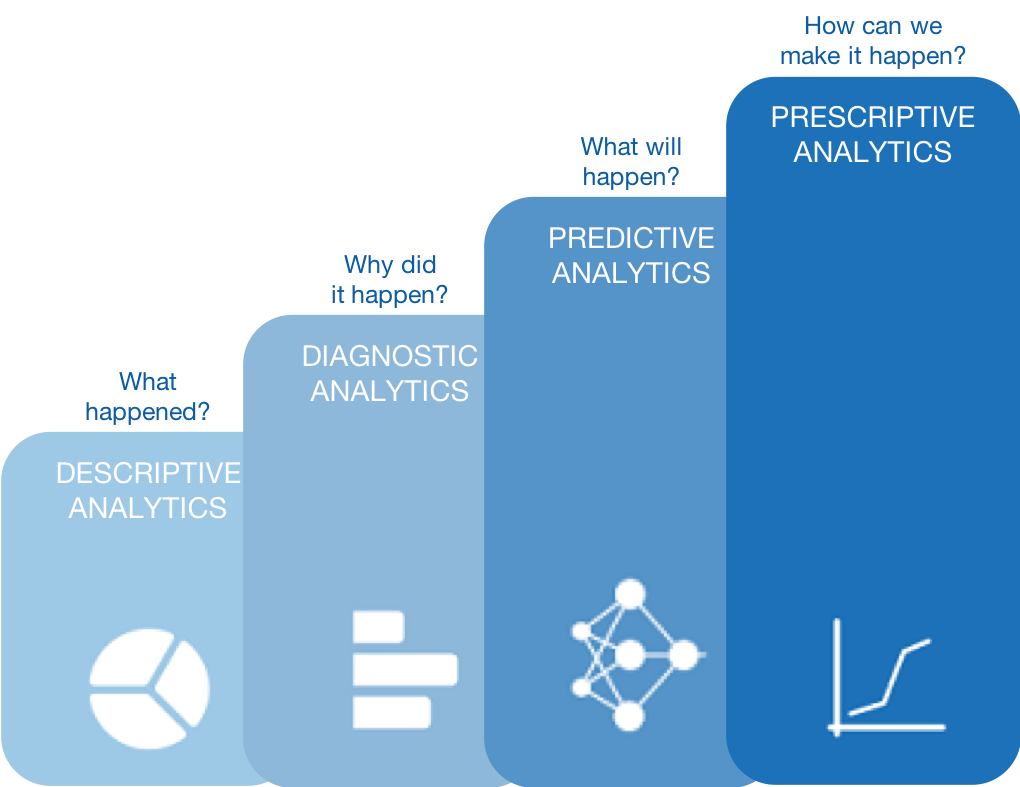
Artificial intelligence (AI) is transforming education by automating tasks, personalizing learning, and providing insights into student progress. Predictive analytics, a subset of AI, leverages data to forecast future outcomes, has emerged as a powerful tool for improving student success.
Benefits of Predictive Analytics in Education
1. Early Intervention and Support:
- Identify students at risk of falling behind or dropping out.
- Provide timely interventions and support before students experience academic difficulties.
2. Personalized Learning:
- Analyze student data to personalize learning paths and content.
- Adapt instruction to meet individual needs and learning styles.
3. Improved Teacher Effectiveness:
- Provide teachers with information about student strengths and weaknesses.
- Help teachers tailor instruction to maximize student learning.
4. Strategic Planning:
- Forecast future enrollment trends, course demand, and staffing needs.
- Informs decision-making at the institutional level.
5. Reduced Dropout Rates:
- Identify students who are likely to leave school or withdraw from classes.
- Implement strategies to engage these students and prevent dropout.
How Predictive Analytics Works
Predictive analytics algorithms analyze historical data, such as:
- Student demographics
- Academic performance
- Attendance
- Behavior
- Extracurricular activities
They use this data to identify patterns and correlations that can predict future outcomes. For example, an algorithm might identify that students with low attendance in math class are more likely to fail the course.
Challenges in Implementing Predictive Analytics in Education
1. Data Privacy and Security:
- Ensuring the confidentiality and security of student data is crucial.
2. Bias in Algorithms:
- Algorithms can reflect the biases present in the training data, potentially leading to unfair or discriminatory outcomes.
3. Ethical Considerations:
- Predictive analytics raises ethical questions about the use of data to make decisions that affect students’ lives.
Case Studies
- University of California, Berkeley: Used predictive analytics to identify students at risk of dropping out and provided targeted support to improve retention rates.
- Khan Academy: Leverages predictive analytics to personalize learning paths for students, adapting content based on their progress and mastery of different skills.
- Chicago Public Schools: Implemented a predictive analytics platform to identify students in need of additional support and provide early intervention services.
Conclusion
Predictive analytics is a transformative technology that has the potential to revolutionize education by providing insights that can improve student outcomes. By leveraging data, schools and institutions can identify students at risk, personalize learning, and make informed decisions that support student success. As predictive analytics matures and ethical concerns are addressed, it will play an increasingly vital role in creating a more equitable and effective educational system.## Predictive Analytics: Unlocking Student Success With AI In Education
Executive Summary
Predictive analytics, fueled by artificial intelligence (AI), has emerged as a game-changer in the education sector, providing educators and administrators with unparalleled insights into student learning and behavior. By leveraging data-driven models, predictive analytics can identify at-risk students, personalize learning experiences, and optimize educational outcomes, thereby transforming the educational landscape and empowering students to reach their full potential.
Introduction
The advent of AI in education has revolutionized the way we approach teaching and learning. Predictive analytics, a subset of AI, harnesses historical data and advanced algorithms to generate actionable insights, enabling educators to make data-informed decisions that cater to the unique needs of each student. This innovative approach has the potential to transform education, leveling the playing field for all learners and ensuring equitable access to quality education.
FAQs
FAQ 1: What is the role of predictive analytics in education?
Predictive analytics empowers educators to understand student learning patterns, predict future performance, and identify areas where students need additional support.
FAQ 2: How does predictive analytics improve student outcomes?
By identifying students at risk of falling behind, predictive analytics allows educators to intervene early and provide targeted support, leading to improved academic performance and reduced dropout rates.
FAQ 3: What are the ethical considerations associated with predictive analytics in education?
The use of predictive analytics raises ethical concerns regarding data privacy, algorithmic bias, and potential discrimination. Ensuring transparency, accountability, and fairness is crucial to mitigate these concerns.
Top 5 Subtopics
1. Early Intervention
Predictive analytics can identify students at risk of academic difficulties, allowing for timely interventions and support. Key elements include:
- Student performance data: Historical academic records, assessments, and assignments.
- Behavioral data: Attendance, engagement, and participation in class.
- Demographic data: Socioeconomic status, language proficiency, and special needs.
2. Personalized Learning
Predictive analytics can tailor learning experiences to meet the individual needs of each student. Key elements include:
- Adaptive learning platforms: Adjust content and difficulty level based on student progress and mastery.
- Personalized recommendations: Provide targeted learning materials, resources, and support.
- Personalized feedback: Give students tailored feedback on assignments and assessments.
3. Student Success Prediction
Predictive analytics can predict a student’s likelihood of success in a particular course or program. Key elements include:
- Historical performance data: Previous grades, standardized test scores, and academic trajectory.
- Cognitive abilities: Skills such as problem-solving, critical thinking, and learning strategies.
- Non-cognitive factors: Motivation, self-efficacy, and goal orientation.
4. Dropout Prevention
Predictive analytics can identify students at risk of dropping out, enabling schools to implement targeted interventions and support systems. Key elements include:
- Attendance patterns: Chronic absenteeism and unexcused absences.
- Behavioral indicators: Discipline referrals, suspensions, and expulsions.
- Social-emotional factors: Peer relationships, sense of belonging, and school climate.
5. Teacher Effectiveness Evaluation
Predictive analytics can assess teacher effectiveness and identify areas for improvement. Key elements include:
- Student performance data: Improvement in student grades, standardized test scores, and learning outcomes.
- Feedback from students: Evaluations and surveys on teacher instruction and classroom environment.
- Observations and evaluations: Formal observations and peer evaluations of teaching practices.
Conclusion
Predictive analytics, powered by AI, holds immense potential for transforming education by empowering educators with data-driven insights to personalize learning, identify at-risk students, and optimize educational outcomes. By leveraging the power of data, we can create a more equitable and effective educational system that empowers every student to succeed.
Keyword Tags
- Predictive analytics in education
- AI for education
- Personalized learning
- Early intervention
- Dropout prevention