Active Recall: A Proven Technique for Enhancing Memory Retention
Active recall is a powerful memory technique that involves deliberately retrieving information from memory without relying on cues or prompts. By actively recalling information, you force your brain to work harder to retrieve the information, which strengthens the memory trace and makes it more likely to be retained in the long term.
Benefits of Active Recall
Active recall offers numerous benefits for memory retention:
- Enhances memory strength: Active recall forces your brain to retrieve information from memory, making the memory trace stronger.
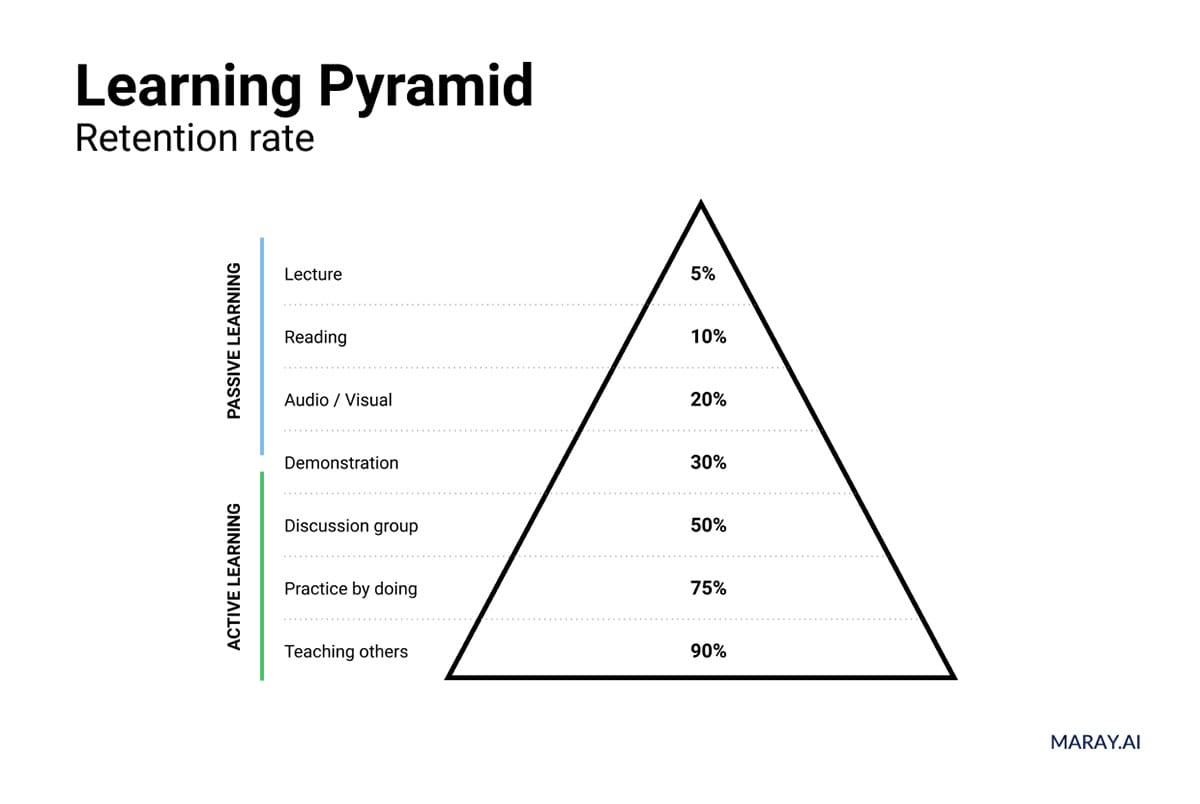
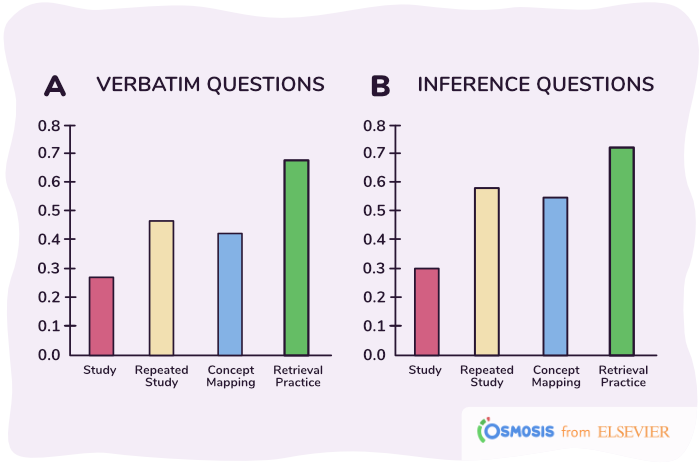
- Improves retention over time: Studies have shown that active recall can significantly improve memory retention over extended periods compared to passive learning methods.
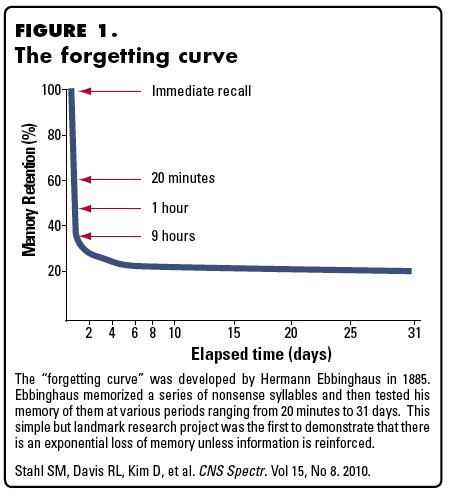
- Reduces forgetting: By regularly actively recalling information, you can reduce the rate at which you forget it.
- Facilitates retrieval in different contexts: Active recall helps you retrieve information in various contexts, even if the retrieval cues are different from those used during initial learning.
How to Practice Active Recall
There are several ways to incorporate active recall into your learning routine:
1. Flashcards: Create flashcards with questions on one side and answers on the other. Regularly test yourself by actively recalling the answers without looking at the back of the card.
2. Spaced Repetition: Review the material at increasing intervals (e.g., 10 minutes, 1 hour, 1 day, 1 week). Each time you review, actively recall the information without relying on notes or references.
3. Free Recall: Without any cues or prompts, try to recall as much information as you can about a topic you’ve been studying. You can write it down or speak it aloud to enhance the recall process.
4. Self-Quizzing: Create quiz questions and test yourself on the material. Focus on actively retrieving the answers from memory rather than guessing or using external resources.
Tips for Effective Active Recall
- Test yourself frequently: The more often you actively recall information, the stronger the memory will become.
- Challenge yourself: Don’t just recall easy information. Push yourself to retrieve information that is more challenging.
- Use retrieval cues: If you’re struggling to recall information, use retrieval cues such as context, keywords, or visual aids. However, avoid relying heavily on cues.
- Don’t give up: Active recall can be difficult at first, but with consistent practice, it becomes easier and more effective.
- Make it a habit: Incorporate active recall into your learning routine regularly to reap its benefits.
Conclusion
Active recall is a highly effective memory technique that can significantly improve your ability to retain information. By deliberately retrieving information from memory, you strengthen the memory traces and make them more resilient to forgetting. By incorporating active recall into your learning strategies, you can boost your memory power and enhance your knowledge retention.## Active Recall: A Proven Technique For Improving Memory Retention
Executive Summary
Active recall is a powerful learning technique that involves actively retrieving information from memory. It is more effective than passive learning, such as rereading or highlighting, because it forces the brain to work harder to retrieve information, which strengthens memory traces. Active recall can be used to improve memory for any type of information, including facts, concepts, and skills.
Introduction
Memory is essential for learning and success in all aspects of life. However, our memories are not always as reliable as we would like them to be. Forgetting is a natural part of the learning process, but it can be frustrating when we forget information that we need to know. Active recall is a proven technique that can help to improve memory retention and reduce forgetting.
FAQ
What is active recall?
Active recall is a learning technique that involves actively retrieving information from memory. This can be done through a variety of methods, such as quizzing yourself, teaching the material to someone else, or creating flashcards.
Why is active recall more effective than passive learning?
Active recall is more effective than passive learning because it forces the brain to work harder to retrieve information. This strengthens memory traces and makes the information more likely to be remembered in the long term.
How can I use active recall to improve my memory?
There are a variety of ways to use active recall to improve your memory. Some popular methods include:
- Quizzing yourself regularly on the material you are trying to learn.
- Teaching the material to someone else.
- Creating flashcards.
- Summarizing the material in your own words.
The Top 5 Subtopics
Spaced Repetition:
Spaced repetition is a memory technique that involves reviewing information at increasing intervals. This helps to strengthen memory traces and make the information more likely to be remembered in the long term.
- Reviewing information regularly helps to keep it fresh in your mind.
- Increasing the intervals between reviews forces your brain to work harder to retrieve the information.
- This strengthens memory traces and makes the information more likely to be remembered in the long term.
- Spaced repetition can be used to improve memory for any type of information.
- There are a variety of spaced repetition apps available that can help you to implement this technique.
Retrieval Practice:
Retrieval practice is a learning technique that involves actively trying to retrieve information from memory. This can be done through a variety of methods, such as quizzing yourself, teaching the material to someone else, or creating flashcards.
- Retrieval practice is one of the most effective ways to improve memory retention.
- When you retrieve information from memory, you are strengthening the memory trace for that information.
- This makes the information more likely to be remembered in the long term.
- Retrieval practice can be used to improve memory for any type of information.
- **There are a variety of retrieval practice techniques that you can use, such as:
- Quizzing yourself
- Teaching the material to someone else
- Creating flashcards
Mnemonic Devices:
Mnemonic devices are memory aids that help you to remember information. These devices can include acronyms, rhymes, images, or stories.
- Mnemonic devices can be very effective for remembering specific information.
- However, they are not as effective for remembering general concepts or ideas.
- There are a variety of mnemonic devices available, so you can find one that works best for you.
- **Some popular mnemonic devices include:
- Acronyms
- Rhymes
- Images
- Stories
Chunking:
Chunking is a memory technique that involves breaking down information into smaller, more manageable chunks. This makes the information easier to remember.
- Chunking is a very effective way to improve memory for large amounts of information.
- When you chunk information, you are creating smaller, more manageable units that are easier to remember.
- This makes it easier to retrieve the information from memory when you need it.
- Chunking can be used to improve memory for any type of information.
- **Some tips for chunking information include:
- Breaking down information into smaller units
- Grouping related information together
- Using mnemonic devices to help you remember the chunks
Interleaving:
Interleaving is a memory technique that involves mixing up different types of information when you study. This helps to improve memory retention and reduce forgetting.
- Interleaving is a more effective way to learn than studying the same type of information over and over again.
- When you interleave different types of information, you are forcing your brain to work harder to retrieve the information from memory.
- This strengthens memory traces and makes the information more likely to be remembered in the long term.
- Interleaving can be used to improve memory for any type of information.
- **Some tips for interleaving information include:
- Mixing up different types of questions when you quiz yourself
- Teaching the material to someone else in different ways
- Creating flashcards for different types of information
Conclusion
Active recall is a powerful learning technique that can help to improve memory retention and reduce forgetting. It is a more effective way to learn than passive learning, such as rereading or highlighting, because it forces the brain to work harder to retrieve information. Active recall can be used to improve memory for any type of information, including facts, concepts, and skills.
Keyword Tags
- Active recall
- Memory retention
- Spaced repetition
- Retrieval practice
- Mnemonic devices