Understanding Self-Assessment
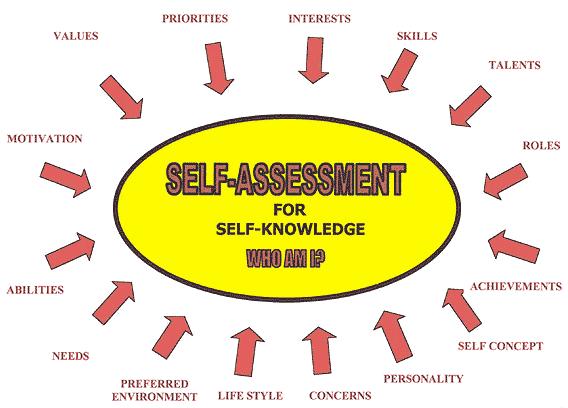
Self-assessment involves critically evaluating one’s own knowledge and skills to identify strengths, weaknesses, and areas for improvement. It is a proactive approach that empowers students to take control of their learning.
Benefits of Self-Assessment for Exam Scores
1. Accurate Assessment of Understanding:
- Self-assessment helps students gauge their understanding of course material by testing themselves on key concepts and topics.
- By identifying areas where they excel or need further review, they can prioritize their study efforts accordingly.
2. Enhanced Learning Retention:
- The act of self-testing forces students to recall and actively engage with information.
- This process strengthens memory and solidifies their understanding, improving their ability to retain information for exams.
3. Targeted Study Planning:
- Self-assessment results provide valuable insights into students’ study needs.
- By focusing on areas where they need improvement, they can tailor their study sessions to maximize efficiency and effectiveness.
4. Increased Confidence:
- Accurate self-assessment builds students’ confidence in their abilities.
- Knowing what they know and what they still need to work on reduces test anxiety and boosts their overall exam performance.
5. Improved Test-Taking Skills:
- Self-assessment familiarizes students with the types of questions they may encounter on exams.
- By practicing effective test-taking strategies and time management, they can improve their scores under exam conditions.
How to Implement Self-Assessment
1. Create Mock Exams or Practice Tests:
- Use old exam papers, textbooks, or online resources to create realistic practice tests.
- Allow sufficient time for students to answer questions independently.
2. Use Flashcards and Study Sheets:
- Create flashcards or study sheets with key concepts and terms.
- Test yourself or have a classmate quiz you on the material to identify areas of weakness.
3. Set Realistic Time Limits:
- Emulate exam conditions by practicing under time constraints to improve time management skills.
4. Evaluate Your Answers Critically:
- Take time to review your answers and identify errors.
- Analyze why you missed certain questions and develop strategies to address your weaknesses.
5. Seek Feedback from Others:
- Ask a teacher, tutor, or classmate to review your self-assessment and provide constructive criticism.
- This can provide valuable insights and help you identify additional areas for improvement.
Conclusion
Self-assessment is an essential tool for boosting exam scores. By accurately assessing their knowledge, targeting their study efforts, and enhancing their test-taking skills, students can gain a competitive advantage and achieve their academic goals.## How Self-assessment Can Boost Your Exam Scores
Executive Summary
Self-assessment is a powerful tool that can help students improve their exam scores. By taking the time to assess their own strengths and weaknesses, students can identify areas where they need to focus their studies. This can lead to more efficient and effective studying, which can ultimately result in higher grades.
Introduction
Do you ever wonder why some students seem to ace every exam without breaking a sweat, while others struggle to pass? The answer may lie in self-assessment. Self-assessment is the process of evaluating your own strengths and weaknesses. It is a crucial skill for students of all ages, as it can help you identify areas where you need to improve and develop strategies to address those weaknesses.
FAQs
1. What is self-assessment?
Self-assessment is the process of evaluating your own strengths and weaknesses. It involves reflecting on your performance, identifying areas where you need to improve, and developing strategies to address those weaknesses.
2. Why is self-assessment important?
Self-assessment is important because it can help you identify areas where you need to improve and develop strategies to address those weaknesses. This can lead to more efficient and effective studying, which can ultimately result in higher grades.
3. How can I improve my self-assessment skills?
There are a number of things you can do to improve your self-assessment skills. One is to keep a journal where you reflect on your performance after each exam. Another is to ask for feedback from your teachers and peers. You can also take practice exams and compare your results to the answer key.
Top 5 Subtopics
1. Identifying Your Strengths and Weaknesses
The first step to self-assessment is to identify your strengths and weaknesses. This can be done by reflecting on your past performance, asking for feedback from your teachers and peers, and taking practice exams.
- Identify your strengths. What subjects do you excel in? What types of questions do you find easy to answer?
- Identify your weaknesses. What subjects do you struggle with? What types of questions do you find difficult to answer?
- Develop strategies to address your weaknesses. Once you have identified your weaknesses, you can develop strategies to address them. This may involve studying more, getting extra help from your teachers or peers, or taking a practice exam.
2. Setting Realistic Goals
Once you have identified your strengths and weaknesses, you can set realistic goals for yourself. These goals should be challenging but achievable.
- Set specific goals. Don’t just say you want to improve your grade in a certain subject. Instead, set a specific goal, such as raising your grade by 10%.
- Set achievable goals. Don’t set goals that are too difficult to achieve. This will only lead to frustration and disappointment.
- Set a timeline for your goals. Give yourself a deadline for achieving your goals. This will help you stay motivated and on track.
3. Developing a Study Plan
Once you have set your goals, you need to develop a study plan. This plan should include a schedule of when you will study, what you will study, and how you will study.
- Create a schedule. Set aside specific times each day for studying. Stick to your schedule as much as possible.
- Identify your study materials. Gather all of the materials you will need for studying, such as textbooks, notes, and practice exams.
- Choose a study method. There are a variety of study methods to choose from, such as reading, highlighting, taking notes, and flashcards. Experiment with different methods to find the ones that work best for you.
4. Monitoring Your Progress
It is important to monitor your progress as you study. This will help you identify areas where you need to make adjustments.
- Track your studying. Keep a log of how much time you spend studying each day.
- Take practice exams. Take practice exams regularly to assess your progress.
- Review your results. After taking a practice exam, review your results to identify areas where you need to improve.
5. Making Adjustments
As you monitor your progress, you may need to make adjustments to your study plan. This is normal. Don’t be afraid to change your plan if it’s not working for you.
- Adjust your schedule. If you’re not able to stick to your schedule, adjust it to make it more realistic.
- Change your study materials. If you’re not finding your study materials helpful, switch to different ones.
- Try a different study method. If you’re not finding your study method effective, try a different one.
Conclusion
Self-assessment is a powerful tool that can help you improve your exam scores. By taking the time to assess your own strengths and weaknesses, you can identify areas where you need to focus your studies. This can lead to more efficient and effective studying, which can ultimately result in higher grades.
Keyword Tags
- self-assessment
- exam scores
- study skills
- learning strategies
- test preparation