Tips for Overcoming Procrastination and Staying on Top of Coursework
1. Break Down Tasks:
- Divide large assignments into smaller, manageable chunks. This makes the task seem less daunting and more approachable.
2. Set Realistic Goals:

- Avoid setting unrealistic deadlines or trying to do too much at once. Aim for achievable goals that you can realistically complete.
3. Prioritize Tasks:
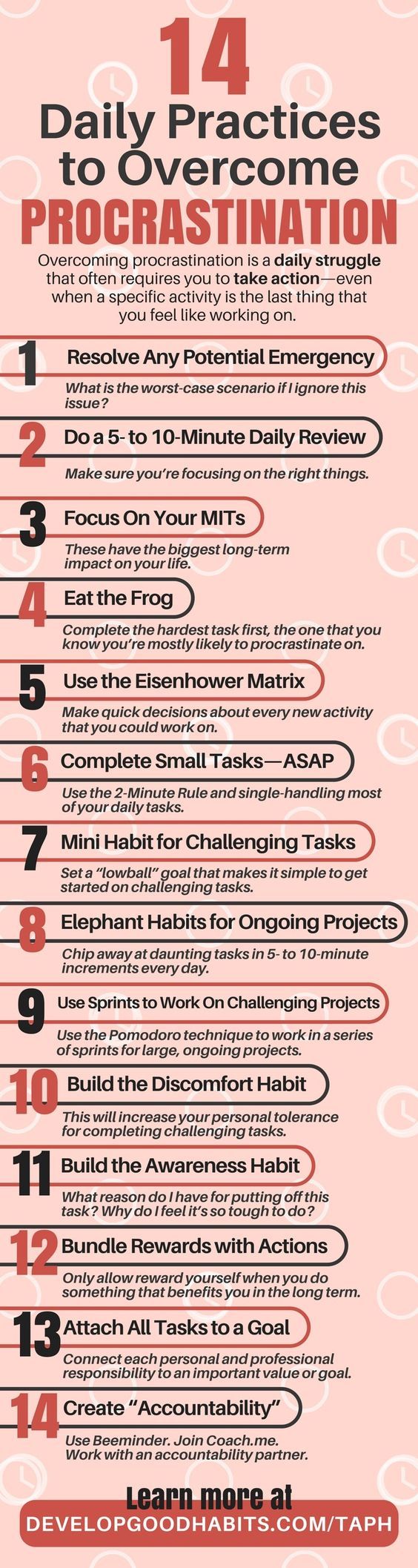
- Use the Eisenhower Matrix or a similar technique to categorize tasks based on urgency and importance. Focus on completing the most crucial tasks first.
4. Create a Schedule:
- Plan your time wisely by allocating specific blocks for studying, assignments, and breaks. Stick to the schedule as much as possible.
5. Find a Study Buddy:
- Collaborate with a classmate or friend to stay accountable and motivated. Discuss coursework, quiz each other, and provide encouragement.
6. Remove Distractions:
- Create a dedicated study space free from noise, social media, and other distractions. Consider using noise-canceling headphones or a study timer to minimize interruptions.
7. Take Breaks:
- Regular breaks are essential for maintaining focus and preventing burnout. Step away from your work for short intervals to refresh your mind.
8. Reward Yourself:
- Set small rewards for completing tasks or studying for a certain amount of time. This provides positive reinforcement and keeps you motivated.
9. Seek Support:
- If you struggle with chronic procrastination, don’t hesitate to reach out to a counselor, advisor, or tutor. They can provide guidance and support in developing effective coping mechanisms.
10. Positive Self-Talk:
- Replace negative self-talk with positive affirmations. Instead of saying “I can’t do this,” tell yourself “I can do this one step at a time.”
Additional Tips:
- Pomodoro Technique: Alternate between focused study sessions (25 minutes) and short breaks (5 minutes).
- eat the Frog: Tackle the most challenging task first thing in the day to get it out of the way.
- Avoid Perfectionism: Don’t strive for perfection, aim for progress. Getting started is more important than achieving perfection.
- Celebrate Successes: Acknowledge and reward your accomplishments, no matter how small. This builds motivation and positive habits.
- Remember the Purpose: Keep in mind the ultimate goal of your education. This will provide intrinsic motivation and help you overcome procrastination.## Overcoming Procrastination: Tips For Staying On Top Of Your Coursework
Executive Summary
Procrastination is a common problem that can lead to stress, anxiety, and poor academic performance. However, there are a number of strategies that students can use to overcome procrastination and stay on top of their coursework. This article provides an overview of some of the most effective strategies for overcoming procrastination, including setting realistic goals, breaking down tasks into smaller steps, creating a schedule, avoiding distractions, and rewarding yourself for completing tasks.
Introduction
Procrastination is the act of delaying or postponing a task or set of tasks. It is a common problem that can affect people of all ages, but it is particularly prevalent among students. Procrastination can lead to a number of negative consequences, including stress, anxiety, and poor academic performance.
There are a number of factors that can contribute to procrastination, including perfectionism, fear of failure, and lack of motivation. However, there are also a number of strategies that students can use to overcome procrastination and stay on top of their coursework.
FAQs
- What is procrastination?
- Procrastination is the act of delaying or postponing a task or set of tasks.
- Why do people procrastinate?
- There are a number of factors that can contribute to procrastination, including perfectionism, fear of failure, and lack of motivation.
- What are the consequences of procrastination?
- Procrastination can lead to a number of negative consequences, including stress, anxiety, and poor academic performance.
Top 5 Subtopics
1. Setting Realistic Goals
One of the most important steps in overcoming procrastination is setting realistic goals. When goals are too ambitious, they can be overwhelming and discouraging, which can lead to procrastination. Instead, it is important to set goals that are challenging but achievable. This will help you to stay motivated and on track.
- Break down tasks into smaller steps. When a task seems daunting, it can be helpful to break it down into smaller, more manageable steps. This will make the task seem less overwhelming and more approachable.
- Set deadlines for each step. Having deadlines will help you to stay on track and avoid procrastination. Make sure that the deadlines are realistic and achievable.
- Reward yourself for completing tasks. Rewarding yourself for completing tasks will help you to stay motivated and on track. The reward can be anything that you enjoy, such as a break from studying or a favorite snack.
2. Breaking Down Tasks Into Smaller Steps
When a task seems daunting, it can be helpful to break it down into smaller, more manageable steps. This will make the task seem less overwhelming and more approachable.
- Identify the main steps involved in the task. Once you have identified the main steps, you can break them down into smaller, more manageable steps.
- Write down the steps in order. Writing down the steps will help you to visualize the task and make it seem less daunting.
- Tackle one step at a time. Don’t try to do everything at once. Focus on completing one step at a time.
3. Creating a Schedule
Creating a schedule can help you to stay organized and on track. A schedule will help you to allocate your time wisely and avoid procrastination.
- Plan out your week. Take some time at the beginning of each week to plan out your schedule. This will help you to see what tasks need to be completed and when they need to be completed.
- Be realistic about how much time you can spend on each task. Don’t try to schedule too much into your day. Be realistic about how much time you can spend on each task.
- Stick to your schedule as much as possible. It is important to stick to your schedule as much as possible. However, it is also okay to adjust your schedule if necessary.
4. Avoiding Distractions
Distractions can be a major obstacle to productivity. It is important to find ways to avoid distractions so that you can stay focused on your work.
- Identify your distractions. Once you have identified your distractions, you can take steps to avoid them.
- Create a distraction-free environment. Find a place where you can work without being distracted. This may be a quiet library, a coffee shop, or your bedroom.
- Take breaks. It is important to take breaks throughout the day to avoid burnout. Get up and move around, or take a few minutes to relax and clear your head.
5. Rewarding Yourself for Completing Tasks
Rewarding yourself for completing tasks will help you to stay motivated and on track. The reward can be anything that you enjoy, such as a break from studying or a favorite snack.
- Choose rewards that are meaningful to you. The reward should be something that you will actually enjoy and that will motivate you to complete tasks.
- Reward yourself immediately after completing a task. This will help you to associate the reward with the task and make it more likely that you will complete tasks in the future.
- Don’t be afraid to reward yourself for small tasks. Even small tasks deserve to be rewarded. Rewarding yourself for small tasks will help you to stay motivated and on track.
Conclusion
Procrastination is a common problem that can lead to stress, anxiety, and poor academic performance. However, there are a number of strategies that students can use to overcome procrastination and stay on top of their coursework. By setting realistic goals, breaking down tasks into smaller steps, creating a schedule, avoiding distractions, and rewarding yourself for completing tasks, students can overcome procrastination and achieve their academic goals.
Keyword Tags
- Procrastination
- Time management
- Study skills
- Academic performance
- Motivation