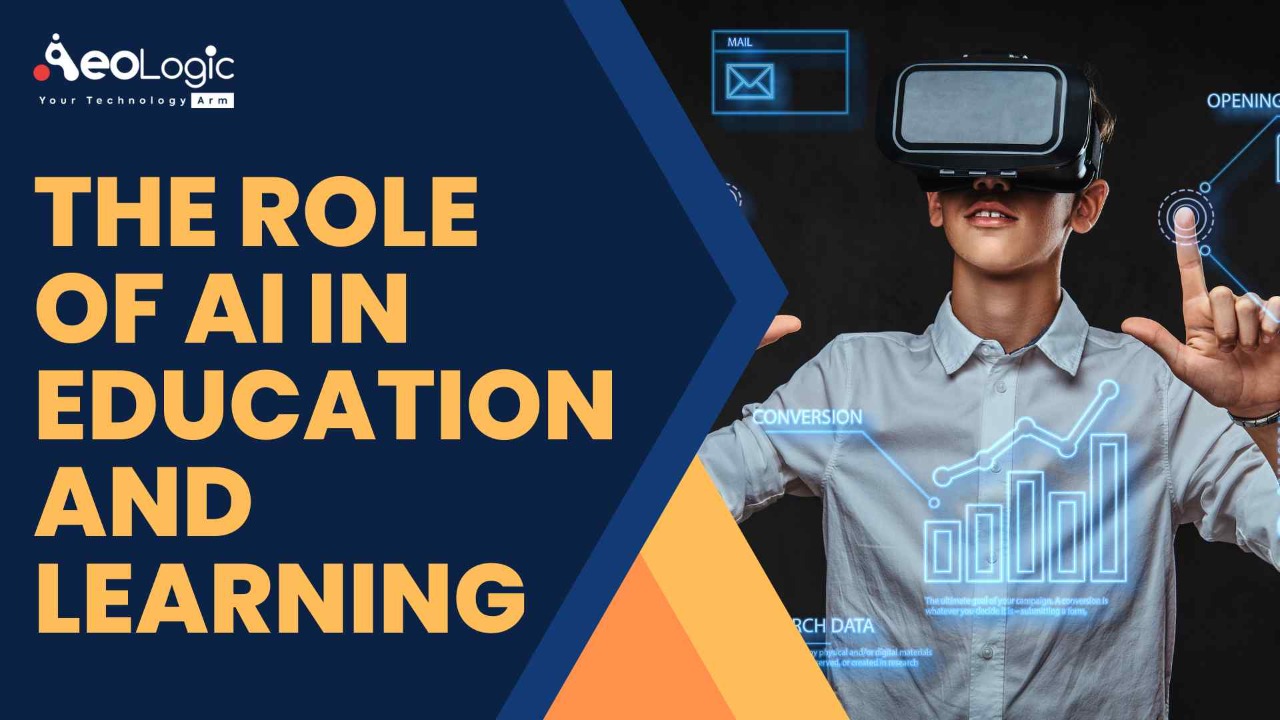
AI in Higher Education: Navigating the Digital Learning Landscape
Introduction
Artificial intelligence (AI) is rapidly transforming the higher education landscape, presenting both opportunities and challenges for educators and learners. This article explores the role of AI in higher education, including its applications, benefits, and ethical considerations.
Applications of AI in Higher Education
- Personalized Learning: AI algorithms analyze student data to create tailored learning experiences, adjusting assignments, pace, and content to meet individual needs.
- Virtual Assistants: AI-powered virtual assistants provide students with 24/7 support, answering questions, scheduling appointments, and connecting them with resources.
- Adaptive Assessments: AI-based assessments adjust to student responses in real-time, providing personalized feedback and identifying areas for improvement.
- Automated Grading: AI systems can efficiently grade assignments, saving educators time and providing students with prompt feedback.
- Content Creation: AI can generate original educational content, such as articles, videos, and interactive simulations, enhancing student engagement.
Benefits of AI in Higher Education
- Improved Student Outcomes: AI-powered interventions can help students learn more effectively, leading to improved grades and reduced dropout rates.
- Increased Access to Education: AI-enabled virtual classrooms and online learning platforms expand educational opportunities for students who face geographical or financial barriers.
- Enhanced Educator Productivity: AI tools automate repetitive tasks, freeing up educators’ time for more meaningful interactions with students.
- Data-Driven Decision-Making: AI analyzes large datasets to identify trends and patterns, helping educators make informed decisions about curriculum, instruction, and student support systems.
- Personalized Learning Experiences: AI tailors learning to individual student strengths and interests, creating more engaging and motivating educational experiences.
Ethical Considerations
While AI offers significant benefits, its use in higher education raises ethical concerns, including:
- Bias and Fairness: AI algorithms must be trained on unbiased data to avoid discriminatory outcomes for students from marginalized groups.
- Student Privacy: AI systems collect and analyze sensitive student data, raising concerns about privacy and data protection.
- Job Displacement: AI-powered automation may lead to job losses for educators, particularly in areas such as grading and administrative tasks.
- Transparency and Accountability: It is essential to ensure transparency and accountability in the development and deployment of AI systems in higher education.
Conclusion
AI is transforming the higher education landscape, bringing a range of applications and benefits. However, it is crucial to address ethical considerations and develop responsible AI practices to ensure that AI enhances the learning experience for all students. By embracing AI in a thoughtful and ethical manner, higher education institutions can leverage its potential to improve student outcomes, increase access to education, and create more personalized and engaging learning experiences.## Ai In Higher Education: Navigating The Digital Learning Landscape
Executive Summary
Artificial intelligence (AI) is transforming higher education, enhancing learning experiences and empowering institutions to meet the evolving needs of students. This article explores the myriad ways AI is revolutionizing the digital learning landscape, from personalized learning and adaptive assessments to virtual assistants and predictive analytics.
Introduction
The integration of AI in higher education has ushered in a new era of learning, characterized by increased accessibility, efficiency, and personalization. As institutions embrace AI-powered technologies, students benefit from tailored learning paths, real-time feedback, and a more engaging and interactive learning environment.
FAQs
Q: How is AI being used in higher education today?
A: AI applications in higher education include personalized learning, adaptive assessments, virtual assistants, predictive analytics, and automated grading.
Q: What are the benefits of AI in higher education?
A: AI enhances student learning experiences by providing personalized feedback, improving accessibility, and automating administrative tasks.
Q: What are the challenges associated with AI in higher education?
A: Challenges include ensuring data privacy, addressing bias in AI algorithms, and fostering digital equity among students.
The Transformative Subtopics of AI in Higher Education
Personalized Learning
AI analyzes individual student data to create tailored learning experiences that cater to their unique needs, learning styles, and preferences.
- Adaptive learning platforms: Adjust content and assessments based on student progress.
- Personalized recommendations: Provide students with suggested readings, resources, and learning paths tailored to their interests.
- Virtual tutors: Offer real-time assistance and guidance to students struggling with specific concepts.
Adaptive Assessments
AI-powered assessments adapt to student responses, providing personalized feedback and identifying areas for improvement.
- Dynamic difficulty adjustment: Adjusts questions based on student performance, ensuring an appropriate level of challenge.
- Automated grading: Frees up educators’ time by automating the grading process, providing students with immediate feedback.
- Real-time feedback: Offers instant insights into student understanding, enabling timely intervention.
Virtual Assistants
AI-powered virtual assistants provide students and educators with round-the-clock support and assistance.
- Chatbots: Answer students’ questions, provide information about courses and resources, and assist with administrative tasks.
- Personalized learning companions: Guide students through their learning journey, offering support and motivation.
- Virtual mentors: Connect students with experts in their field of study, fostering professional development.
Predictive Analytics
AI analyzes student data to identify at-risk students, predict future performance, and optimize learning outcomes.
- Early warning systems: Flag students who may be struggling, enabling timely intervention.
- Personalized interventions: Recommend tailored interventions based on student risk factors.
- Data-driven decision-making: Inform educational policies and practices based on insights derived from student data.
Automated Administration
AI automates administrative tasks, freeing up educators and staff to focus on teaching and supporting students.
- Automated grading: Reduces the time spent on grading, freeing up educators for more meaningful tasks.
- Chatbots for student support: Answer common student inquiries, reducing the workload of administrative staff.
- Intelligent scheduling: Optimizes class schedules and room assignments, maximizing space utilization and efficiency.
Conclusion
AI is transforming higher education, creating a more personalized, accessible, and engaging learning experience for students. As institutions continue to adopt and implement AI technologies, the digital learning landscape will continue to evolve, empowering students to thrive in the 21st-century workforce.
Keyword Tags
- Artificial Intelligence in Higher Education
- Personalized Learning
- Adaptive Assessments
- Virtual Assistants
- Predictive Analytics