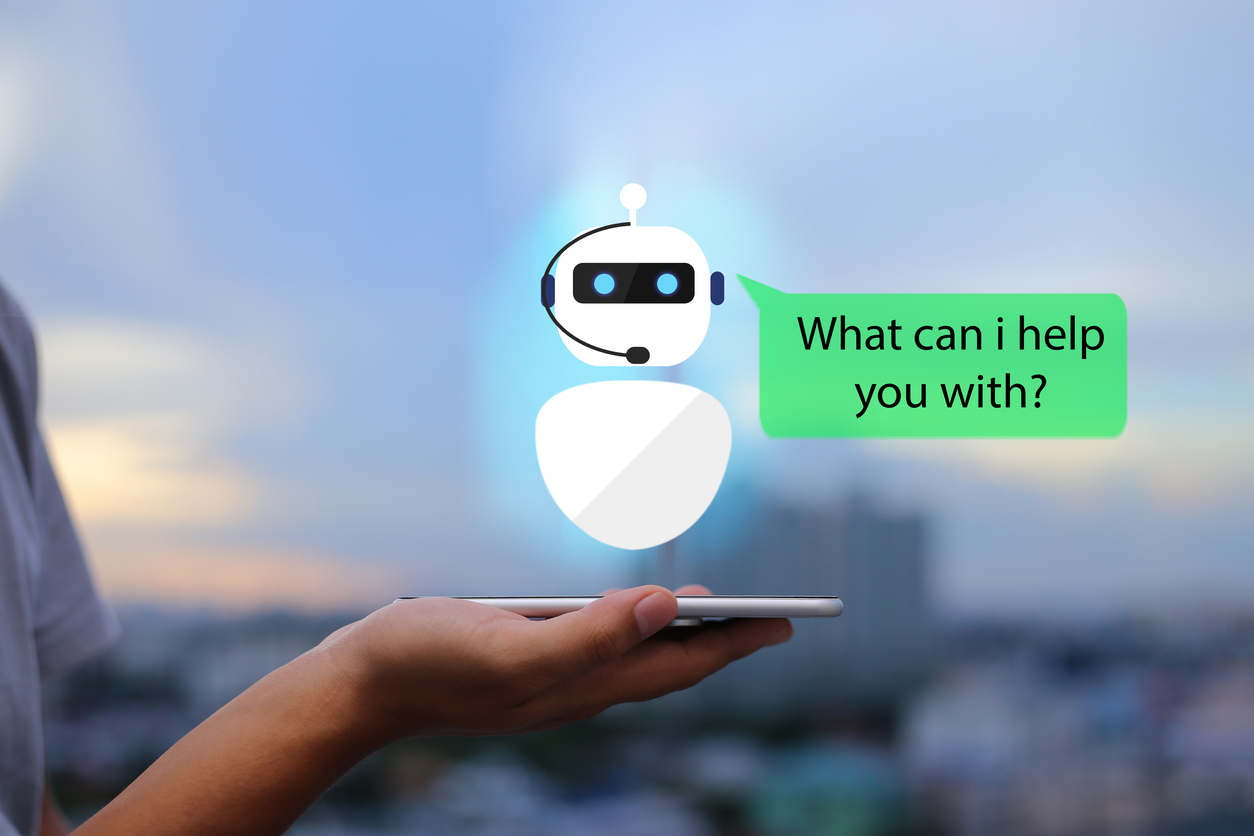
The Rise of Chatbots in Education: Streamlining Student Support
Introduction
Chatbots have emerged as transformative tools in various industries, and education is no exception. By automating tasks and providing round-the-clock support, chatbots play a pivotal role in streamlining student support and enhancing the overall learning experience.
Benefits of Chatbots in Education
- 24/7 Accessibility: Chatbots are available around the clock, enabling students to seek assistance or ask questions at any time.
- Personalized Support: By utilizing machine learning algorithms, chatbots can tailor their responses to each student’s individual needs and preferences.
- Task Automation: Chatbots automate routine tasks such as answering FAQs, providing course information, and scheduling appointments, freeing up educators to focus on more complex matters.
- Improved Student Engagement: Chatbots create a more interactive and engaging learning experience by providing instant feedback and encouragement.
- Reduced Student Anxiety: Chatbots provide a safe and non-judgmental space for students to seek support, reducing anxiety and fostering confidence.
Types of Chatbots in Education
- Informational Chatbots: Provide course updates, grades, and administrative information.
- Support Chatbots: Answer student questions, offer guidance, and troubleshoot technical issues.
- Assessment Chatbots: Conduct quizzes, polls, and self-assessments to monitor student progress.
- Personalized Chatbots: Tailor responses based on individual student profiles, providing personalized learning recommendations and support.
- Integrated Chatbots: Seamlessly connect with other platforms such as learning management systems (LMS) and student information systems (SIS) for comprehensive support.
Implementation Considerations
- Define Clear Goals: Identify the specific student support needs that the chatbot will address.
- Select the Right Platform: Choose a chatbot platform that meets the institution’s requirements for functionality, scalability, and integration capabilities.
- Train the Chatbot: Provide the chatbot with comprehensive training data and establish clear response protocols.
- Monitor and Evaluate: Regularly track the chatbot’s performance, analyze student feedback, and make necessary improvements.
- Integrate with Other Systems: Ensure seamless integration with existing educational platforms to provide a unified and convenient experience for students.
Conclusion
Chatbots are transformative tools that have revolutionized student support in education. By providing round-the-clock accessibility, personalized assistance, task automation, and enhanced engagement, chatbots empower students, streamline processes for educators, and foster a more efficient and supportive learning environment. As technology continues to advance, chatbots will undoubtedly play an increasingly integral role in the future of education.## The Rise Of Chatbots In Education: Streamlining Student Support
Executive Summary
Chatbots are revolutionizing the education sector by providing personalized and accessible support to students. They offer numerous advantages, including 24/7 availability, automated task management, improved engagement, and enhanced learning experiences. By leveraging advancements in artificial intelligence (AI) and natural language processing (NLP), chatbots are becoming an essential tool for streamlining student support and fostering a dynamic learning environment.
Introduction
In the rapidly evolving educational landscape, chatbots have emerged as transformative tools that enhance the learning experience for students. These AI-powered virtual assistants offer a wide range of benefits, from providing instant support to automating administrative tasks. This article explores the multifaceted role of chatbots in education, highlighting their key advantages and the potential they hold for the future of learning.
FAQs
1. What is a Chatbot?
A chatbot is a computer program that simulates human conversation through text or voice interactions. It uses AI and NLP to understand user queries and provide appropriate responses.
2. How are Chatbots Used in Education?
Chatbots offer various applications in education, including:
- Providing 24/7 support to students
- Answering common questions and queries
- Guiding students through learning materials
- Assessing student understanding
- Facilitating peer-to-peer learning
3. What are the Benefits of Chatbots in Education?
The benefits of chatbots in education include:
- Increased accessibility: Chatbots are available 24/7, providing support whenever students need it.
- Personalized learning: Chatbots can tailor responses to individual student needs and learning styles.
- Improved engagement: Chatbots make learning more interactive and engaging for students.
- Time-saving: Chatbots automate tasks, freeing up educators’ time for more meaningful interactions with students.
Top 5 Subtopics of Chatbots in Education
1. 24/7 Student Support
- Automated responses to common student questions
- Instant access to information about courses, assignments, and policies
- Resolution of technical issues and administrative inquiries
2. Personalized Learning
- Adaptive learning paths tailored to individual student progress
- Personalized feedback and guidance based on student performance
- Access to additional resources and support materials
3. Task Automation
- Automated scheduling of appointments and meetings
- Submission of assignments and completion of quizzes
- Reminders and notifications for important deadlines
4. Enhanced Learning
- Quizzes and interactive games to reinforce learning
- Access to multimedia content and educational videos
- Collaboration with peers through chatbot-facilitated discussion forums
5. Data Analytics
- Collection and analysis of student interactions and responses
- Identification of areas for improvement in courses and learning materials
- Personalized recommendations based on student data
Conclusion
Chatbots are poised to revolutionize education by providing accessible, personalized, and engaging learning experiences. Their ability to automate tasks, offer 24/7 support, and tailor learning to individual needs makes them an invaluable tool for educators and students alike. As chatbot technology continues to advance, we can expect even more innovative applications that will enhance the future of education and empower students with the knowledge and skills they need to succeed in the 21st century.
Keyword Tags
- Chatbots in education
- Personalized learning
- Student support
- Task automation
- Data analytics