
Balancing Act: Strategies for Maintaining Work-Life Balance
Introduction:
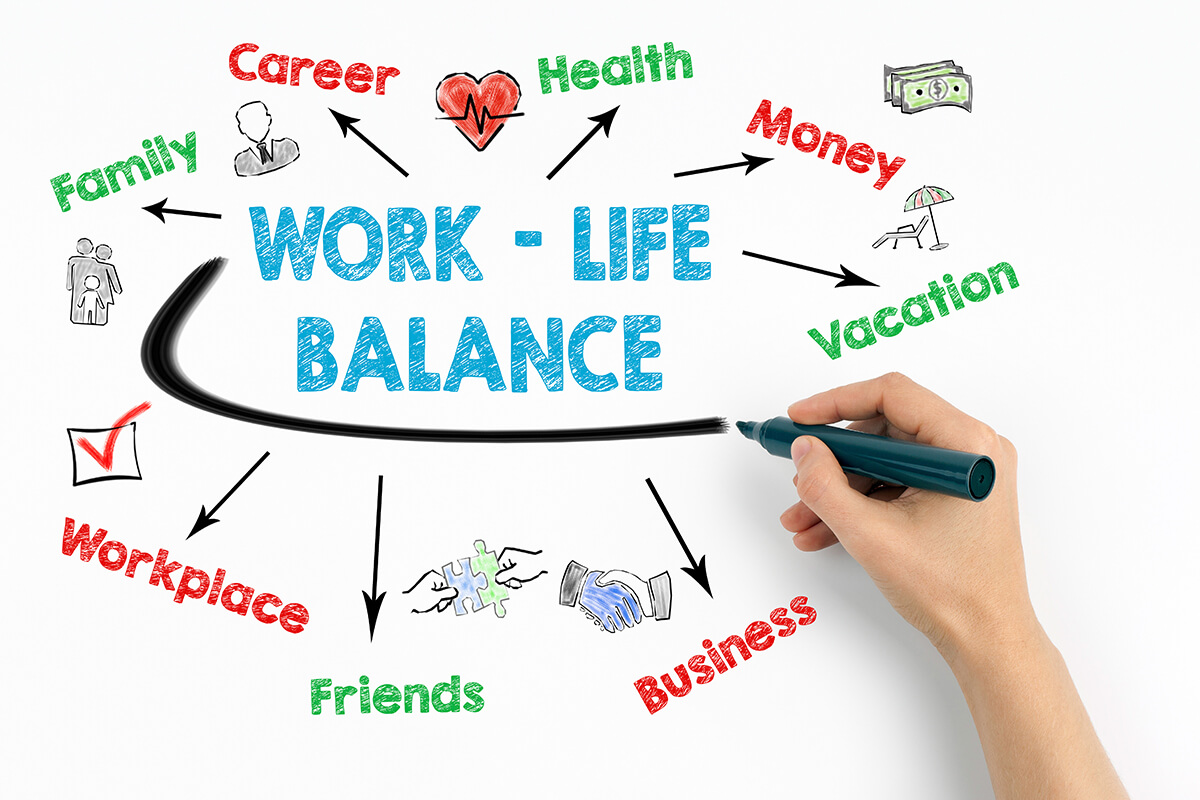
Work-life balance is a crucial aspect of overall well-being. This balance can be challenging to achieve, as work and personal life often compete for time and attention. However, by implementing effective strategies, individuals can navigate this balancing act and maintain a fulfilling equilibrium.
Strategies:
1. Establish Boundaries:

- Set clear work hours and stick to them, avoiding answering emails or taking calls outside these times.
- Designate a specific workspace to separate work from personal life.
- Communicate these boundaries to colleagues and family to ensure respect.
2. Prioritize Tasks:
- Use a to-do list or planner to organize tasks and prioritize those that are most important and urgent.
- Delegate or outsource tasks that can be handled by others to free up time for personal obligations.
- Take breaks throughout the day to clear your mind and prevent burnout.
3. Take Breaks and Vacations:
- Schedule regular breaks throughout the workday for rest and rejuvenation.
- Plan and take vacation time to completely disconnect from work and recharge.
- Use weekends and evenings for relaxation and personal pursuits.
4. Seek Support:
- Don’t hesitate to reach out to colleagues, family, or friends for assistance when needed.
- Consider using childcare services or hiring a housekeeper to alleviate household responsibilities.
- Join support groups or online communities for work-life balance.
5. Technology Management:
- Use technology wisely to improve productivity, but avoid allowing it to infringe on personal time.
- Set screen time limits, turn off notifications outside of work hours, and use apps to manage distractions.
- Explore automation and other tools to streamline work tasks.
6. Flexible Work Arrangements:
- If possible, negotiate flexible work arrangements such as remote work or flextime.
- This allows for greater control over work hours and better integration with personal commitments.
- Consider job-sharing or part-time work to reduce workload.
7. Self-Care:
- Prioritize physical and mental health by exercising regularly, eating healthily, and getting enough sleep.
- Engage in activities that bring joy and relaxation, such as hobbies, spending time in nature, or connecting with loved ones.
- Practice mindfulness and stress management techniques to reduce anxiety and improve focus.
8. Re-evaluate and Adjust:
- Work-life balance is an ongoing process that requires regular reassessment.
- Check in with yourself periodically and make adjustments to strategies as needed.
- Communicate any changes or boundaries to colleagues and family to ensure continued support.
Conclusion:
Maintaining work-life balance is essential for overall well-being. By implementing these strategies, individuals can navigate the balancing act between work and personal life, reduce stress, improve productivity, and achieve a fulfilling equilibrium. It’s important to remember that finding the right balance is personal and may vary over time. By prioritizing self-care, seeking support, and embracing flexibility, individuals can create a work-life balance that contributes to a happy and healthy lifestyle.## Balancing Act: Strategies For Maintaining Work-life Balance
Executive Summary
In an increasingly fast-paced digital world, work-life balance has become a paramount concern for individuals striving to navigate the demands of professional and personal responsibilities. This comprehensive guide unveils practical strategies and techniques to help you achieve optimal work-life harmony, fostering both career success and personal well-being.
Introduction
Maintaining a healthy work-life balance is crucial for overall well-being. However, the pursuit of professional success often leads to extended working hours, blurring the lines between work and personal life. This guide provides a comprehensive roadmap for achieving equilibrium between these two important aspects of life.
FAQs
Why is work-life balance important?
Work-life balance promotes physical, mental, and emotional health, reduces stress, improves productivity, and fosters stronger relationships.
What are the signs of poor work-life balance?
Chronic fatigue, difficulty concentrating, increased absenteeism, strained relationships, and burnout are all potential indicators of work-life imbalance.
How can I improve my work-life balance?
This guide offers a range of strategies and techniques, including setting boundaries, prioritizing tasks, practicing self-care, and seeking support from colleagues and family.
Top 5 Subtopics for Achieving Work-life Balance
1. Time Management
- Prioritize tasks: Identify the most important tasks and allocate them time slots accordingly.
- Delegate responsibilities: If possible, delegate tasks to others to free up your time for more critical responsibilities.
- Plan your schedule: Create a structured schedule that includes both work and personal commitments, and stick to it as much as possible.
- Take breaks: Regular breaks throughout the day can help improve focus and prevent burnout.
- Learn to say no: Politely decline additional responsibilities or commitments that would compromise your work-life balance.
2. Boundaries
- Set clear work hours: Establish specific work hours and stick to them, even when working remotely.
- Designate a workspace: Create a dedicated workspace separate from your personal space to minimize distractions.
- Communicate your boundaries: Inform colleagues, family, and friends about your work hours and the importance of respecting them.
- Take time off: Schedule regular vacations and personal time to recharge and disconnect from work.
- Turn off notifications: During personal time, turn off work-related notifications to avoid distractions.
3. Self-Care
- Prioritize physical health: Engage in regular exercise, maintain a healthy diet, and get enough sleep.
- Nurture mental well-being: Practice relaxation techniques like meditation, yoga, or spending time in nature.
- Take a mental health day: When feeling overwhelmed, take a day off to rest and recharge.
- Connect with loved ones: Make time for meaningful connections with family and friends.
- Pursue hobbies: Engage in activities that bring joy and relaxation.
4. Technology
- Use technology wisely: Leverage technology for efficiency, but avoid using it excessively or during personal time.
- Set limits on screen time: Establish limits on social media usage and other non-essential screen activities.
- Use time-tracking tools: Track your time spent on different tasks to identify areas for improvement.
- Explore automation: Automate repetitive tasks to free up time for more important activities.
- Take digital breaks: Regularly step away from digital devices to prevent burnout and improve focus.
5. Support Network
- Communicate your needs: Openly communicate your work-life balance goals to your colleagues, manager, and family.
- Seek support from colleagues: Collaborate with colleagues to manage workload and cover for each other during emergencies.
- Build a support system: Surround yourself with supportive family and friends who understand and respect your need for balance.
- Consider therapy: If struggling to maintain work-life balance, consider seeking professional help from a therapist or counselor.
- Join support groups: Connect with others who are also striving for work-life balance for support and encouragement.
Conclusion
Achieving work-life balance requires conscious effort and a willingness to prioritize personal well-being alongside professional endeavors. By implementing the strategies outlined in this guide, you can create a harmonious life that encompasses both career success and personal fulfillment. Remember, balance is a journey, not a destination, and adjustments along the way are essential to maintain a healthy equilibrium between your professional and personal spheres.
Keyword Tags
- Work-life balance
- Time management
- Boundaries
- Self-care
- Technology