The Importance of Breaks
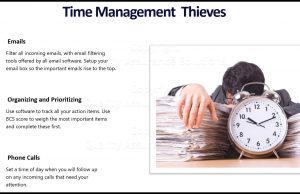
In today’s information-driven world, it’s easy to get caught up in the constant flow of data and tasks. However, research has shown that uninterrupted work can have detrimental effects on our cognitive abilities and productivity. Well-timed breaks are essential for boosting information processing and maintaining optimal performance.
Cognitive Benefits
- Improved attention: Breaks help reset our attention span and improve our ability to focus on tasks.
- Enhanced memory: Short breaks have been shown to improve memory retention and recall.
- Increased creativity: Taking time away from work allows our subconscious mind to work and generate new ideas.
Productivity Benefits
- Reduced errors: Breaks help prevent errors and mistakes by providing time to reflect and refresh our mental resources.
- Increased efficiency: Short breaks throughout the day can help us maintain a high level of productivity for longer periods.
- Improved decision-making: Breaks allow us to step back and consider different perspectives, leading to better decisions.
Types of Breaks
There are various types of breaks that can enhance information processing:
- Micro-breaks: Brief breaks of 5-10 minutes, such as stretching or taking a walk.
- Short breaks: Breaks of 15-30 minutes, such as going for a coffee or socializing with colleagues.
- Extended breaks: Breaks of 60 minutes or more, such as taking a lunch break or going for a hike.
When to Take Breaks
The optimal timing for breaks depends on the individual and the task at hand. However, some general guidelines include:
- Micro-breaks: Take these breaks every 20-30 minutes to prevent information overload and maintain focus.
- Short breaks: Schedule these breaks every 1-2 hours to clear your mind and improve memory retention.
- Extended breaks: Take these breaks once or twice a day to recharge and prevent burnout.
Tips for Effective Breaks
To make the most of your breaks:
- Step away from your work: Leave your desk and engage in activities that clear your mind.
- Move your body: Physical activity can help reduce stress and improve alertness.
- Socialize: Interacting with others can boost mood and encourage fresh perspectives.
- Do something you enjoy: Activities that bring you joy or relaxation are particularly beneficial.
Conclusion
Well-timed breaks are a crucial part of boosting information processing and maintaining optimal productivity. By incorporating regular breaks into your schedule, you can improve attention, memory, creativity, efficiency, and decision-making. Take advantage of these brief respites to refresh your mind and reach your full potential in today’s fast-paced, information-rich environment.