
Building Confidence for Exam Success: The Role of Self-Assessment
Introduction
Confidence is crucial for exam success. Self-assessment plays a vital role in building this confidence by providing students with an accurate understanding of their strengths and weaknesses.
Benefits of Self-Assessment

- Accurate self-awareness: Self-assessment helps students identify areas where they need improvement and focus their efforts accordingly.
- Increased motivation: Knowing what they need to work on can motivate students to make necessary changes.
- Improved learning strategies: By understanding their learning strengths and weaknesses, students can adjust their study techniques to maximize efficiency.
- Reduced anxiety: Knowing that they are well-prepared reduces anxiety and boosts confidence.
Implementing Self-Assessment
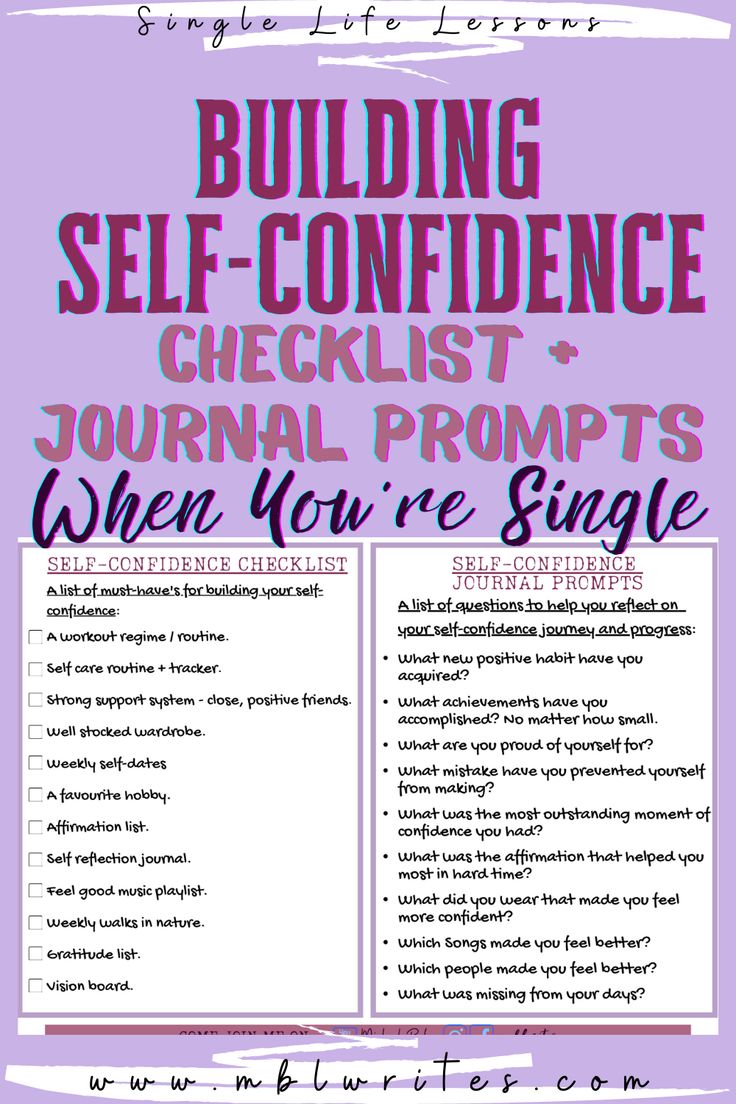
- Structured Practice Questions: Use mock exams, past papers, or practice questions to test students’ understanding of the material.
- Reflective Journal: Encourage students to keep a journal where they reflect on their progress, identify areas for improvement, and set goals.
- Peer Review: Have students review each other’s work and provide constructive feedback. This helps students understand different perspectives and identify blind spots.
- Teacher Feedback: Seek feedback from teachers to gain insights into students’ strengths and areas that need attention.
Tips for Self-Assessment
- Be Honest and Objective: Avoid self-criticism or overconfidence. Aim for a realistic assessment of your abilities.
- Identify Specific Areas: Focus on specific areas of knowledge or skills rather than general statements.
- Set SMART Goals: Create specific, measurable, achievable, relevant, and time-bound goals based on your self-assessment.
- Monitor Progress: Regularly review your progress and make adjustments as needed.
- Seek Support: Don’t be afraid to ask for help or support from teachers, peers, or tutors.
Conclusion
Self-assessment is an essential tool for building confidence and achieving exam success. By providing an accurate understanding of their abilities, it empowers students to identify areas of improvement, enhance their learning strategies, and reduce anxiety. By implementing self-assessment techniques effectively, students can significantly increase their chances of excelling in exams.## Building Confidence For Exam Success: The Role Of Self-assessment
Executive Summary
Self-assessment plays a pivotal role in boosting confidence and ensuring exam success. By accurately gauging their strengths and weaknesses, students can develop targeted study plans, identify areas for improvement, and build a strong foundation of knowledge. This article explores the significance of self-assessment in exam preparation, providing practical strategies to enhance confidence and achieve academic excellence.
Introduction
Exam success is not merely about memorizing facts and figures; it encompasses a holistic approach that includes building confidence in one’s abilities. Self-assessment serves as a cornerstone of this process, empowering students to take ownership of their learning and actively participate in their academic journey.
FAQs
Why is self-assessment important for exam success?
- It helps students identify their strengths and weaknesses, allowing them to focus their studies and allocate time effectively.
- Self-assessment provides a realistic understanding of their current knowledge level, enabling them to set achievable goals and track progress.
- It enhances students’ metacognitive skills, fostering a deeper understanding of their own learning process and how to improve it.
How can I conduct effective self-assessment?
- Regularly review class notes and textbooks, testing your understanding through practice questions or mock exams.
- Seek feedback from teachers, peers, or tutors to gain external perspectives on your progress and areas for improvement.
- Reflect on your past performance, identifying patterns and determining which study habits yield the best results.
What should I do if I identify areas where I need improvement?
- Break down challenging concepts into smaller, manageable chunks and focus on understanding the underlying principles.
- Seek additional resources, such as online tutorials, textbooks, or study groups, to supplement your learning.
- Consider seeking support from a teacher, tutor, or counselor to provide guidance and encouragement.
Subtopics
1. Setting Realistic Goals
- Understand your current knowledge level: Conduct self-assessments to identify your strengths and weaknesses.
- Establish clear, specific, and achievable goals: Break down larger goals into smaller steps to avoid feeling overwhelmed.
- Track your progress regularly: Monitor your performance through practice questions or mock exams to identify areas for improvement.
2. Identifying and Addressing Weaknesses
- Focus on understanding the underlying concepts: Break down complex topics into smaller, manageable chunks and focus on comprehending the fundamental principles.
- Seek clarification from teachers or peers: Ask questions and engage in discussions to clarify confusing concepts.
- Practice regularly: Engage in active recall techniques, such as flashcards or practice questions, to strengthen your understanding and retain information.
3. Building on Strengths
- Identify your areas of expertise: Leverage your strengths by focusing on subjects or topics where you excel.
- Share your knowledge with others: Teaching or explaining concepts to peers can reinforce your understanding and boost confidence.
- Explore enrichment opportunities: Seek out additional learning materials, such as online courses or workshops, to expand your knowledge and challenge yourself.
4. Developing Effective Study Habits
- Create a structured study schedule: Establish a consistent study routine and stick to it as much as possible.
- Use active learning techniques: Engage in active learning methods, such as spaced repetition or self-testing, to improve retention and understanding.
- Seek support when needed: Don’t hesitate to ask for help from teachers, peers, or tutors when you encounter challenges.
5. Fostering Self-belief
- Challenge negative thoughts: Replace self-doubt with positive affirmations and remind yourself of your past successes.
- Surround yourself with supportive people: Seek encouragement and support from friends, family, or teachers who believe in your abilities.
- Celebrate your achievements: Acknowledge and reward your progress, no matter how small, to build a sense of accomplishment and boost motivation.
Conclusion
Self-assessment is an essential tool for building confidence and achieving exam success. By accurately gauging their strengths and weaknesses, setting realistic goals, and developing effective study habits, students can empower themselves to take ownership of their learning and reach their full potential. Remember, confidence is not something you are born with; it is a skill that can be cultivated through persistent effort and self-belief. Embrace the power of self-assessment, and unlock the key to unlocking your academic success.
Relevant Keyword Tags
- Self-assessment
- Exam preparation
- Confidence building
- Study strategies
- Exam success