Benefits of Self-Assessment in Developing Critical Thinking Skills for Exams:
1. Enhanced Metacognition:
- Self-assessment prompts students to reflect on their own learning and identify areas of strength and weakness.
- This process fosters metacognition, the awareness of one’s own thinking processes, which is crucial for critical thinking.
2. Improved Study Strategies:
- Based on self-assessment results, students can develop targeted study plans that address their specific needs.
- Identifying areas for improvement allows them to focus their efforts and maximize their learning.
3. Increased Confidence:
- Self-assessment provides students with a sense of accomplishment and reinforces their understanding of the material.
- Recognizing their progress builds confidence and motivates them to continue improving their critical thinking skills.
4. Objectivity and Feedback:
- Self-assessment allows students to evaluate their performance in an objective manner.
- Feedback on their self-assessments can provide valuable external perspectives and help identify blind spots.
5. Time Management:
- Self-assessment helps students prioritize their studies and allocate time effectively.
- By identifying areas where additional support is needed, they can focus their efforts on the most challenging concepts.
6. Exam Preparation:
- Self-assessment mimics the exam format and provides students with an opportunity to practice applying their critical thinking skills under timed conditions.
- This familiarization reduces anxiety during actual exams.
7. Skill Development:
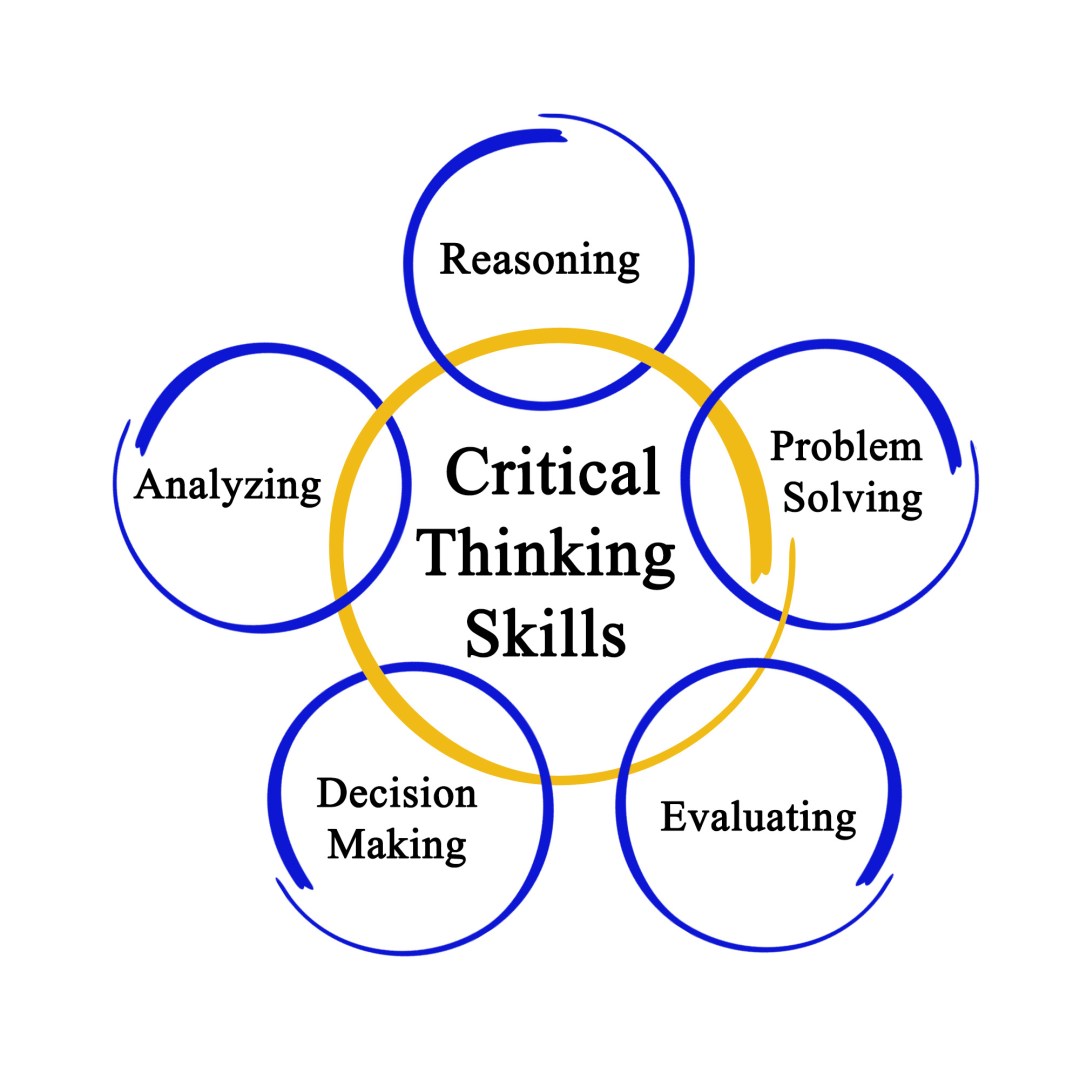
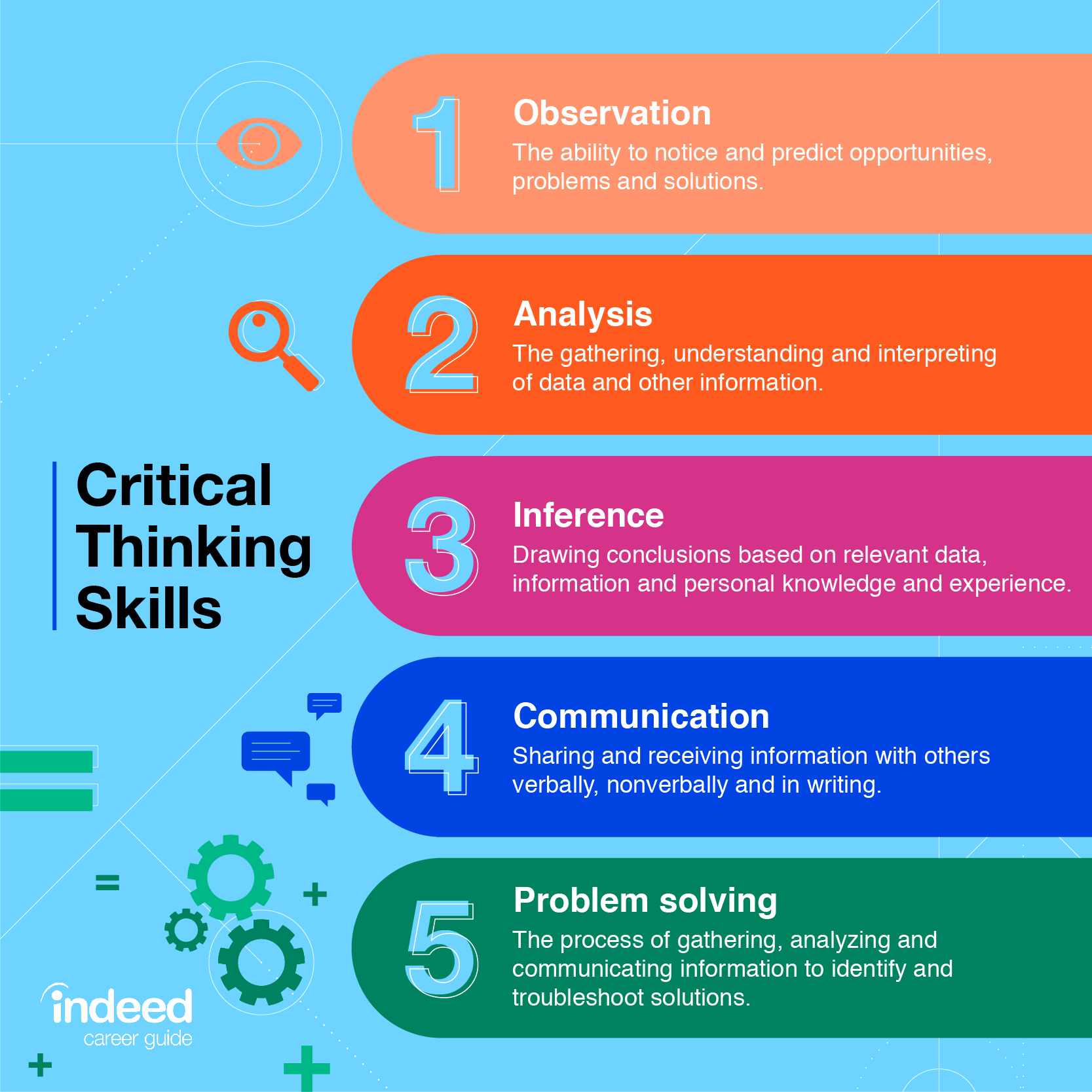
- Self-assessment strengthens essential critical thinking skills such as:
- Analysis
- Evaluation
- Argumentation
- Problem-solving
8. Active Learning:
- Self-assessment requires students to actively engage with the material and make meaningful connections.
- This active learning process promotes deeper understanding and retention.
9. Personalized Learning:
- Self-assessment allows students to tailor their learning experience to their individual needs.
- They can focus on areas where they struggle and reinforce areas where they excel.
10. Self-Directed Learning:
- Self-assessment cultivates self-directed learning skills.
- Students develop the ability to self-assess, set goals, and monitor their progress, fostering lifelong learning.# The Benefits Of Self-assessment In Developing Critical Thinking Skills For Exams
Executive Summary
Self-assessment is a powerful tool that can help students develop critical thinking skills and improve their exam performance. By reflecting on their own learning, students can identify areas where they need to improve and develop strategies to address those weaknesses. Self-assessment also helps students to become more independent learners and to take ownership of their own learning.
Introduction
Critical thinking skills are essential for success in school and beyond. They allow students to analyze information, solve problems, and make informed decisions. Self-assessment is a process that can help students to develop these skills by providing them with feedback on their own learning.
FAQs
- What is self-assessment?
Self-assessment is the process of reflecting on your own learning to identify areas where you need to improve. It involves setting goals, monitoring your progress, and making adjustments as needed.
- Why is self-assessment important?
Self-assessment helps students to develop critical thinking skills, become more independent learners, and take ownership of their own learning.
- How can I use self-assessment to improve my exam performance?
There are many ways to use self-assessment to improve your exam performance. Some common strategies include:
* Setting goals for each study session
* Monitoring your progress by tracking your time spent studying and the topics you cover
* Identifying areas where you need to improve
* Developing strategies to address those weaknesses
* Taking practice exams to assess your progress
Top 5 Subtopics
1. Identifying Your Strengths and Weaknesses
The first step to self-assessment is to identify your strengths and weaknesses. This can be done by reflecting on your past performance on exams, assignments, and other assessments. Once you know your strengths and weaknesses, you can develop strategies to address your weaknesses and build on your strengths.
- Set goals for each study session: This will help you to stay focused and motivated.
- Track your progress: This will help you to see how you are progressing and identify areas where you need to improve.
- Identify areas where you need to improve: This will help you to develop strategies to address your weaknesses.
- Develop strategies to address those weaknesses: This could involve getting extra help from a teacher or tutor, forming a study group, or using online resources.
- Take practice exams: This will help you to assess your progress and identify areas where you need to improve.
2. Setting Goals
Once you know your strengths and weaknesses, you can start to set goals for yourself. These goals should be challenging but achievable. They should also be specific, measurable, achievable, relevant, and time-bound.
- Set specific goals: This means that your goals should be clear and well-defined.
- Set measurable goals: This means that you should be able to track your progress towards your goals.
- Set achievable goals: This means that your goals should be challenging but not impossible to reach.
- Set relevant goals: This means that your goals should be aligned with your overall academic goals.
- Set time-bound goals: This means that you should set deadlines for yourself.
3. Monitoring Your Progress
It is important to monitor your progress towards your goals so that you can make adjustments as needed. This can be done by tracking your time spent studying, the topics you cover, and your performance on practice exams.
- Track your time spent studying: This will help you to see how much time you are spending studying and identify areas where you can improve your efficiency.
- Track the topics you cover: This will help you to see how well you are understanding the material and identify areas where you need to focus your attention.
- Track your performance on practice exams: This will help you to assess your progress and identify areas where you need to improve.
4. Developing Strategies to Address Your Weaknesses
Once you have identified your weaknesses, you can develop strategies to address them. This could involve getting extra help from a teacher or tutor, forming a study group, or using online resources.
- Get extra help from a teacher or tutor: This can be helpful if you are struggling with a particular concept or topic.
- Form a study group: This can be a great way to learn from your peers and get help with your studies.
- Use online resources: There are a number of online resources available that can help you with your studies, such as Khan Academy and Coursera.
5. Taking Practice Exams
Practice exams are a great way to assess your progress and identify areas where you need to improve. They can also help you to get used to the format of the exam and the types of questions that you will be asked.
- Take practice exams regularly: This will help you to stay on track and identify areas where you need to improve.
- Review your practice exams: This will help you to identify your strengths and weaknesses and develop strategies to address your weaknesses.
- Use practice exams to simulate the actual exam: This will help you to get used to the format of the exam and the types of questions that you will be asked.
Conclusion
Self-assessment is a powerful tool that can help students develop critical thinking skills and improve their exam performance. By reflecting on their own learning, students can identify areas where they need to improve and develop strategies to address those weaknesses. Self-assessment also helps students to become more independent learners and to take ownership of their own learning.
Keywords
- Self-assessment
- Critical thinking skills
- Exam performance
- Learning
- Reflection