Harnessing Data Analytics and AI for Educational Insights
Introduction
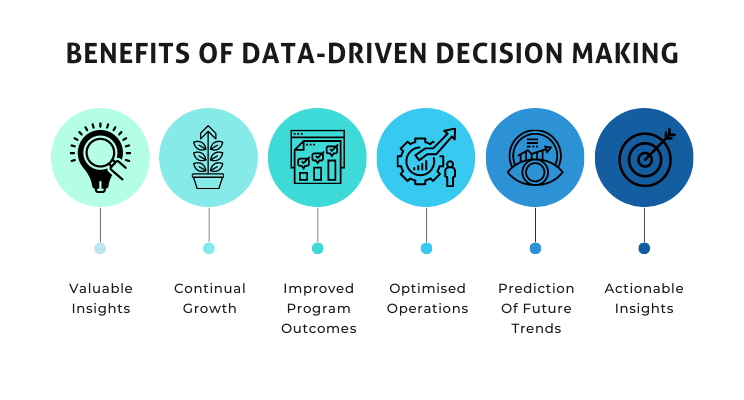
Data analytics and artificial intelligence (AI) are transforming the education sector, enabling educators to gain valuable insights into student performance, engagement, and learning styles. By analyzing vast amounts of educational data, institutions can identify trends, patterns, and areas for improvement.
Applications in Education
1. Personalized Learning:
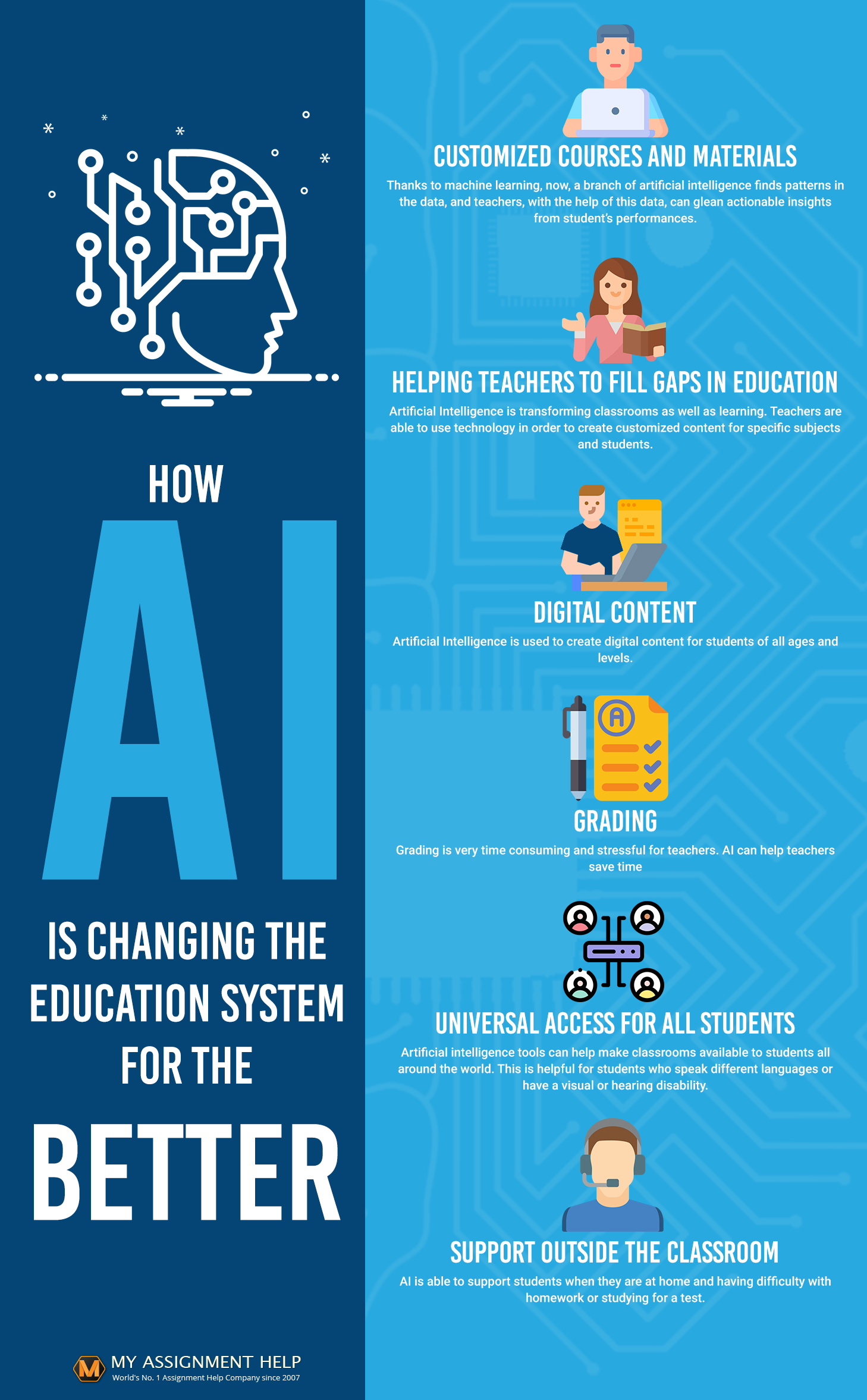
- AI-powered adaptive learning platforms track student progress in real-time and tailor lessons to individual needs and abilities.
- Data analytics provides insights into student strengths and weaknesses, allowing educators to design targeted interventions.
2. Early Intervention and Support:
- Data analysis identifies students who are at risk of falling behind or struggling.
- AI-powered chatbots and virtual assistants provide timely support and guidance to students who need additional help.
3. Teacher Optimization:
- Data analytics helps educators optimize their teaching practices by identifying effective teaching strategies and areas for improvement.
- AI can assist with lesson planning, grading, and providing feedback to students.
4. Learning Analytics:
- Educational data mining techniques uncover hidden patterns and insights in student data.
- Learning analytics dashboards provide real-time information on student engagement, attendance, and performance.
Benefits of Using Data Analytics and AI
1. Improved Student Outcomes:
- Personalized learning and targeted interventions lead to better academic performance and student success.
- Early support helps prevent students from falling behind.
2. Enhanced Teacher Effectiveness:
- Data-driven insights empower teachers to improve their teaching methods and provide more effective support to students.
- AI-assisted grading and feedback systems free up teachers’ time for more meaningful work.
3. Resource Optimization:
- Data analytics helps institutions identify areas where resources can be allocated more efficiently.
- AI can automate administrative tasks, freeing up staff for more strategic initiatives.
4. Data-Informed Decision-Making:
- Educational leaders can make informed decisions about curriculum, staffing, and other aspects of the school based on reliable data.
- Data provides evidence to support interventions and justify resource allocation.
Challenges and Considerations
1. Data Privacy:
- Collecting and storing vast amounts of student data raises concerns about privacy and confidentiality.
- Institutions must implement robust data protection measures.
2. Data Interpretation:
- Interpreting large datasets and extracting meaningful insights requires data science expertise.
- Educators need training and support to effectively use data analytics in their practice.
3. AI Bias:
- AI algorithms can perpetuate biases based on the data they are trained on.
- It is essential to ensure that AI systems are unbiased and fair.
Conclusion
Harnessing data analytics and AI in education empowers institutions to gain deep insights into student learning and teacher effectiveness. By using data-driven approaches, educators can personalize instruction, provide timely support, optimize teaching practices, and make informed decisions. Overcoming challenges and ensuring ethical use of data will unlock the full potential of these technologies to transform education for the better.## Harnessing Data Analytics and AI for Educational Insights
Executive Summary
In an era characterized by the proliferation of data and technological advancements, the education sector stands poised to reap the transformative benefits of data analytics and artificial intelligence (AI). By leveraging these powerful tools, educators can gain unprecedented insights into student learning patterns, personalize instruction, and optimize educational outcomes. This article delves into the myriad ways in which data analytics and AI are revolutionizing the educational landscape.
Introduction
The education sector has long grappled with the challenges of effectively assessing and understanding student learning. Traditional methods of data collection and analysis have proven inadequate in capturing the complexities of educational processes. However, the advent of data analytics and AI has ushered in a paradigm shift, empowering educators with the ability to unlock a wealth of actionable insights from vast educational datasets.
FAQs
Q: How can data analytics help improve educational outcomes?
A: Data analytics enables educators to identify patterns and trends in student learning, diagnose areas of strength and weakness, and tailor instruction to individual student needs.
Q: What role does AI play in transforming education?
A: AI-powered technologies, such as natural language processing and machine learning, automate tasks, personalize learning experiences, and provide real-time feedback to students.
Q: How can schools ensure ethical and responsible use of data?
A: Schools must implement robust data security measures, obtain informed consent, and address issues of privacy and bias in data collection and analysis.
Subtopics
1. Data-Driven Decision-Making
Description: Data analytics provides educators with quantitative evidence to inform decision-making at all levels, from individual classrooms to district-wide policies.
Important Pieces:
- Student Assessment Data: Quantifies student performance and identifies areas for improvement.
- Attendance Data: Tracks student engagement and attendance patterns to identify potential issues.
- Classroom Observation Data: Collects qualitative data on teacher practices and student behavior.
- Curriculum Analysis: Assesses the effectiveness of curricula and identifies areas for improvement.
- School Climate Data: Provides insights into school culture, student well-being, and safety.
2. Personalized Learning
Description: Data analytics and AI enable educators to tailor instruction to the unique needs of each student.
Important Pieces:
- Adaptive Learning Platforms: Adjust content and difficulty levels based on student progress.
- Personalized Lesson Plans: Create individualized learning experiences based on student strengths and weaknesses.
- Learning Analytics Dashboards: Track student progress and provide personalized feedback.
- Virtual Reality and Augmented Reality: Engage students in immersive learning experiences.
- Gamification: Incorporate game-like elements to motivate and engage students.
3. Early Intervention and Support
Description: Data analytics can identify students at risk of falling behind and provide timely interventions to support their academic success.
Important Pieces:
- Predictive Analytics: Identifies students with potential learning challenges based on historical data.
- Early Warning Systems: Monitor student progress and trigger alerts when students are at risk.
- Targeted Interventions: Provide personalized support to students based on their identified needs.
- Student Support Services: Offer additional assistance to students facing academic, social, or emotional challenges.
- Parent-Teacher Communication: Enhance communication between schools and parents to discuss student progress and concerns.
4. Teacher Professional Development
Description: Data analytics can provide teachers with insights into their own teaching practices and support their professional growth.
Important Pieces:
- Teacher Observation Data: Collects data on teacher practices to identify areas for improvement.
- Lesson Plan Analysis: Assesses the effectiveness of lesson plans and provides feedback to teachers.
- Student Feedback Analysis: Gathers student feedback on teaching quality and provides insights for teachers.
- Data Literacy Training: Equips teachers with the skills to understand and use data effectively.
- Professional Learning Communities: Facilitate collaboration among teachers to share best practices and learn from each other.
5. School Improvement and Accountability
Description: Data analytics supports school improvement efforts by providing evidence to evaluate the effectiveness of initiatives and hold schools accountable for student outcomes.
Important Pieces:
- School Climate Data: Assesses the overall school environment and its impact on student learning.
- Academic Achievement Data: Measures student performance on standardized tests and other assessments.
- Graduation Rates: Tracks the proportion of students who graduate from high school and post-secondary institutions.
- Teacher Retention and Turnover: Monitors teacher hiring, retention, and turnover rates to assess school stability.
- Resource Allocation: Optimizes the distribution of resources based on data-driven insights.
Conclusion
The integration of data analytics and AI in the education sector offers a transformative opportunity to revolutionize teaching and learning. By harnessing the power of data, educators can gain unprecedented insights into student learning, personalize instruction, and optimize educational outcomes. As these technologies continue to evolve, the potential for data-driven decision-making in education is boundless. It is imperative for educators and policymakers to embrace these transformative tools to ensure that every student has the opportunity to reach their full potential.
Keyword Tags
- Data Analytics in Education
- Artificial Intelligence in Education
- Personalized Learning
- Data-Driven Decision-Making
- School Improvement