Synergistic Convergence of AI, Virtual Reality, and Education
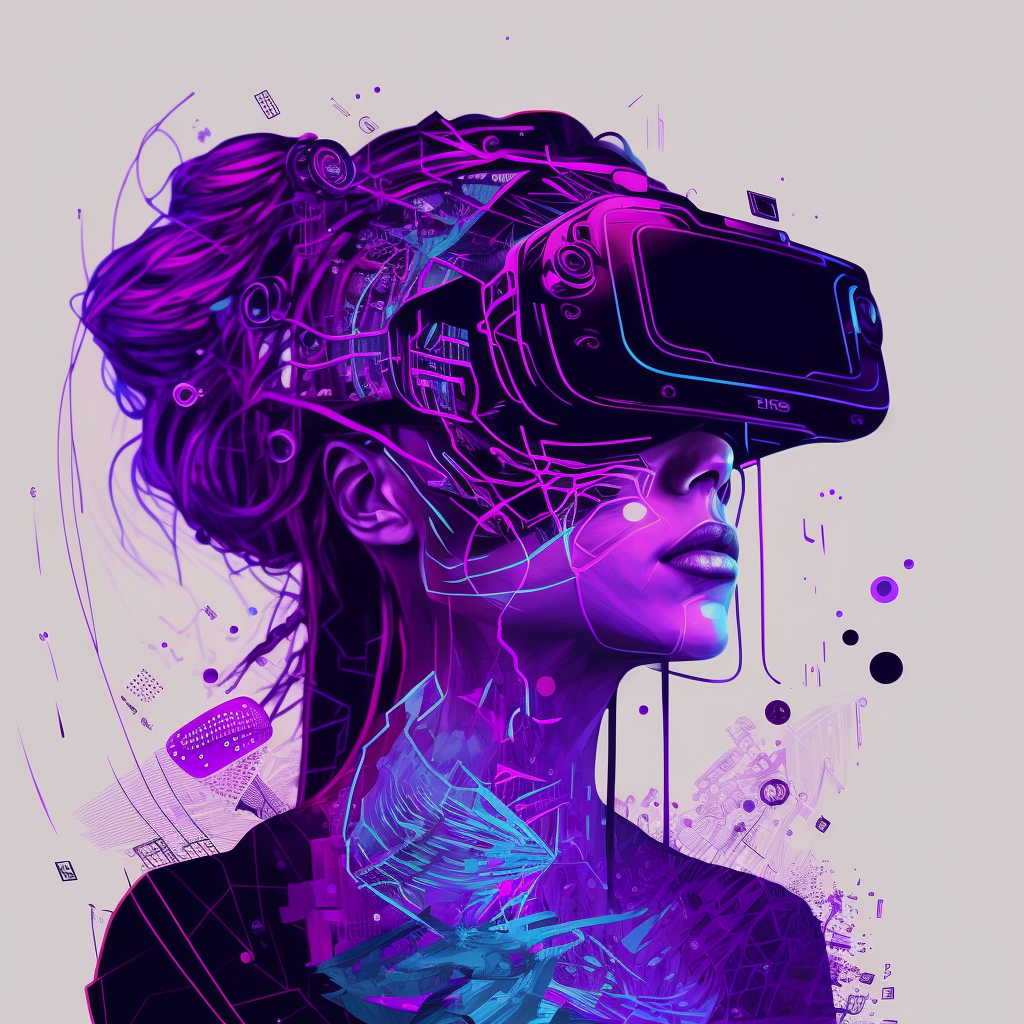
The advent of Artificial Intelligence (AI), Virtual Reality (VR), and their integration with education has revolutionized the learning landscape. This synergistic convergence offers transformative opportunities, enhancing engagement, personalization, and accessibility in educational experiences.
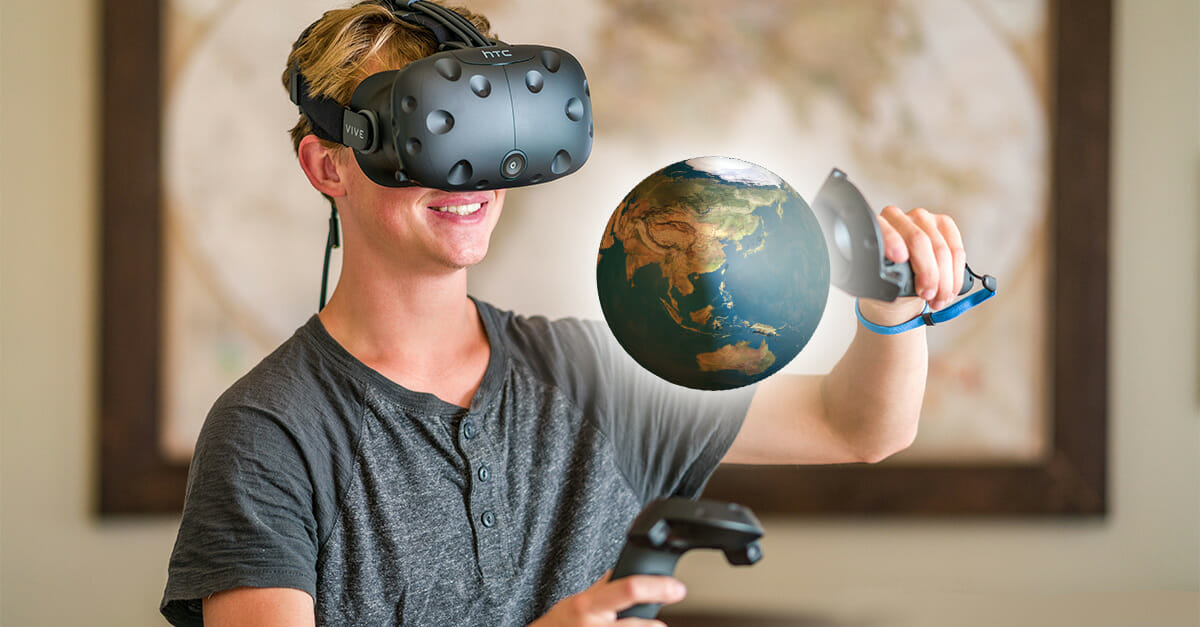
Enhanced Engagement through Immersive Simulations

VR, with its immersive nature, allows students to step into virtual environments and engage directly with learning materials. This heightened level of engagement fosters deeper understanding and memory retention. AI-powered simulations can provide tailored scenarios and real-time feedback, enhancing the learning process.
Personalized Learning Pathways
AI algorithms analyze student data, including learning styles, strengths, and weaknesses, to create individualized learning pathways. VR experiences can be customized to address specific needs, ensuring that every student progresses at their own pace and focuses on areas requiring improvement.
Increased Accessibility to Education
VR and AI technologies break geographical barriers, making education accessible to remote areas. Students can access virtual classrooms, collaborate with peers from different locations, and experience hands-on simulations that would otherwise be impossible in traditional settings. This expands educational opportunities to marginalized and underrepresented communities.
Skill-Building in Real-World Environments
VR simulations create realistic environments, allowing students to practice skills and knowledge in a safe and controlled way. For example, medical students can perform virtual surgeries, and engineering students can design and test virtual prototypes. This immersive training prepares learners for real-world situations and enhances their confidence.
Data-Driven Insights for Educators
AI analytics collect and interpret data on student performance, engagement levels, and areas of difficulty. Educators can use these insights to identify learning gaps, adjust instructional strategies, and provide personalized support. This data-informed approach enhances teaching effectiveness and improves student outcomes.
Immersive Content Delivery and Collaboration
VR enables educators to create immersive content that captures students’ attention and enhances retention. AI can generate virtual tutors and assistants that provide personalized guidance and support while students navigate virtual learning environments. Collaborative VR experiences foster teamwork and communication skills.
Future Implications and Considerations
The synergy between AI, VR, and education is still in its early stages, with vast potential for future advancements. As technologies evolve, educators will need to adapt and develop new pedagogical approaches to harness their full benefits. Ethical considerations and equity in access to these technologies also require attention.
Conclusion
The convergence of AI, VR, and education has created a transformative force that is redefining learning experiences. Through immersive simulations, personalized learning pathways, increased accessibility, skill-building in realistic environments, data-driven insights, and immersive content delivery, these technologies empower students and educators alike. By embracing this synergy, we unlock the potential for a future of education that is engaging, personalized, and accessible to all.## Exploring The Synergy Of Ai, Virtual Reality, And Education
Executive Summary
The convergence of Artificial Intelligence (AI), Virtual Reality (VR), and education holds transformative potential for the future of learning. By harnessing these technologies, we can create immersive, personalized, and engaging educational experiences that cater to the unique needs of every learner. This article delves into the key subtopics that define this synergy, showcasing how AI, VR, and education can revolutionize the way we teach, learn, and interact with knowledge.
Introduction
In an era defined by exponential technological advancements, education is rapidly evolving to keep pace with the changing needs of society. The integration of AI, VR, and education is a promising step towards creating a future-ready education system that empowers learners with the skills, knowledge, and experiences they need to thrive in the 21st century.
FAQ
- What is the role of AI in education?
AI can personalize learning experiences by providing tailored recommendations, automated feedback, and adaptive content that aligns with each student’s strengths and weaknesses. - How does VR enhance educational outcomes?
VR creates immersive virtual environments that allow students to experience abstract concepts in a hands-on, interactive way. It can promote deeper understanding, engagement, and retention. - What are the benefits of combining AI and VR in education?
Combining AI and VR leverages the strengths of both technologies, enabling the creation of personalized, immersive, and data-driven learning experiences that optimize student outcomes.
Subtopics
1. Personalized Learning
AI algorithms can analyze student data to identify learning gaps, strengths, and preferred learning styles. This enables the creation of tailored learning plans that adapt to each student’s individual needs and pace.
- Adaptive Content: AI can adjust the difficulty of content based on student performance, ensuring an optimal challenge level.
- Personalized Feedback: AI-powered feedback systems provide timely and specific feedback to students, helping them identify areas for improvement.
- Learning Recommendations: AI can recommend additional resources, activities, and learning paths based on student interests and progress.
2. Immersive Experiences
VR transforms learning into an immersive experience that allows students to interact with virtual environments and engage with complex concepts in a hands-on way.
- Virtual Field Trips: VR can take students on virtual field trips to distant locations or historical events, enhancing understanding and contextualization.
- Interactive Simulations: VR simulations allow students to practice skills, conduct experiments, and explore scientific phenomena in a safe and realistic environment.
- Virtual Labs: VR labs provide students with access to specialized equipment and dangerous experiments that may not be possible in a physical lab setting.
3. Data-Driven Insights
AI and VR generate vast amounts of data that can be analyzed to provide valuable insights into student learning. This data can help educators make informed decisions about curriculum design, teaching strategies, and individual student support.
- Student Progress Tracking: AI can track student progress and identify early signs of learning difficulties, enabling timely interventions.
- Performance Analysis: Data from VR simulations can be used to assess student skills, identify strengths and weaknesses, and provide targeted feedback.
- Educator Effectiveness: Data insights can help educators evaluate the effectiveness of their teaching methods and identify areas for improvement.
4. Gamification and Motivation
AI and VR can incorporate gamification elements into learning to make it more engaging and motivating for students.
- Points and Rewards: Students can earn points, badges, and other rewards for completing assignments, participating in discussions, and demonstrating progress.
- Virtual Competitions: VR games and simulations can be used to create competitive environments that encourage collaboration and healthy competition.
- Personalized Learning Paths: Gamification can create personalized learning paths that cater to different interests and motivations.
5. Accessibility and Inclusion
AI and VR can break down barriers to learning by providing access to education for students with disabilities or from disadvantaged backgrounds.
- Adaptive Technology: AI can provide assistive technologies that support students with learning difficulties, such as text-to-speech tools and visual aids.
- Virtual Mentorship: VR can connect students with mentors from anywhere in the world, providing support and guidance to students who may not have access to local resources.
- Remote Learning: VR and AI enable remote learning, making education accessible to students in remote areas or with mobility challenges.
Conclusion
The synergy of AI, VR, and education creates a transformative potential for the future of learning. By leveraging the power of personalization, immersion, data analytics, gamification, and accessibility, we can create educational experiences that are tailored to each learner’s unique needs, promote deeper understanding, and inspire a lifelong love for learning. As these technologies continue to evolve, the possibilities for innovation in education are limitless, opening new doors to knowledge and empowering students to become critical thinkers, problem-solvers, and lifelong learners in the digital age.
Keyword Tags:
- Artificial Intelligence in Education
- Virtual Reality Education
- Personalized Learning
- Immersive Learning
- Data-Driven Education