Improving Problem-solving Skills Through Collaborative Learning
Definition of Collaborative Learning
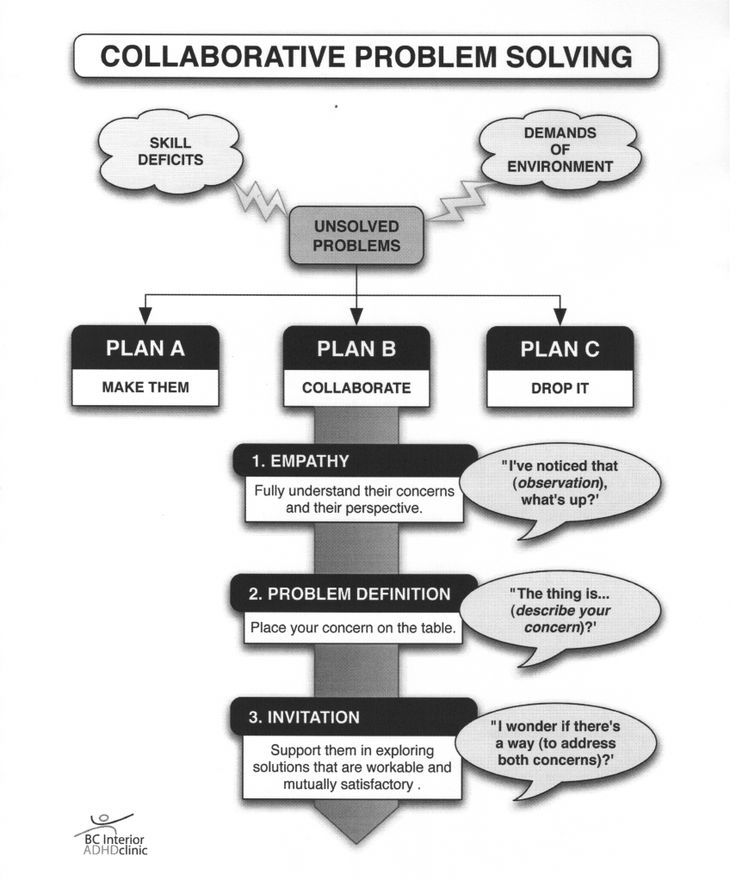
Collaborative learning is a pedagogical approach where students work together in small groups to achieve a shared learning goal. It emphasizes shared responsibilities, cooperative efforts, and a focus on individual and collective knowledge construction.

Benefits of Collaborative Learning for Problem-solving
- Encourages Multiple Perspectives: By working in groups, students are exposed to diverse perspectives and approaches, leading to a broader understanding of problems.
- Promotes Communication and Critical Thinking: Group discussions necessitate effective communication, active listening, and critical analysis of others’ ideas.
- Develops Social and Interpersonal Skills: Collaboration fosters teamwork, empathy, and conflict management skills, which are crucial for real-world problem-solving.
- Enhances Motivation and Engagement: Students are more likely to be motivated when working with peers, as they feel a sense of shared responsibility.
- Provides Immediate Feedback: Group members provide instant feedback on each other’s ideas, aiding in identifying errors and refining solutions.
Strategies for Implementing Collaborative Learning in Problem-solving
- Structured Group Work: Assign students to small groups with clear roles and responsibilities.
- Problem-based Learning (PBL): Present students with open-ended, real-world problems and have them work in groups to find solutions.
- Peer Review: Encourage students to engage in peer feedback on their problem-solving approaches and solutions.
- Group Projects: Assign group projects that require students to collaborate on complex tasks and present their findings as a team.
- Virtual Collaboration: Utilize online platforms for group discussions, document sharing, and problem-solving activities.
Assessment of Collaborative Problem-solving Skills
- Peer Evaluations: Students evaluate the contributions and performance of their group members.
- Group Presentations: Assess students on their teamwork, problem-solving process, and presentation of findings.
- Problem-solving Rubrics: Develop rubrics that evaluate students’ individual and collaborative problem-solving skills.
- Case Studies: Provide students with case studies that require them to apply problem-solving strategies in a group setting.
Best Practices for Facilitating Collaborative Problem-solving
- Establish Clear Structures and Expectations: Define roles, responsibilities, and ground rules to ensure effective group functioning.
- Provide Scaffolds and Support: Offer guidance and resources to help students navigate group work and problem-solving processes.
- Encourage Active Participation: Foster a culture where all students feel valued and have the opportunity to contribute to group discussions.
- Monitor and Provide Feedback: Regularly observe group interactions and provide timely feedback to both individuals and groups.
- Celebrate Collaboration: Recognize and reward successful collaborative efforts to reinforce positive behaviors.
Conclusion
Collaborative learning is a powerful tool for enhancing problem-solving skills. By working together in groups, students gain diverse perspectives, improve communication and critical thinking, develop social skills, and experience immediate feedback. Through structured group work, peer review, and assessment measures, educators can effectively foster collaborative problem-solving skills that prepare students for success in academic and professional settings.## Improving Problem-solving Skills Through Collaborative Learning
Executive Summary
In today’s complex and interconnected world, problem-solving skills are essential for success in both personal and professional life. Collaborative learning is a powerful approach to developing these skills, as it allows individuals to share their perspectives, learn from one another, and develop innovative solutions. This article explores the benefits of collaborative learning for improving problem-solving skills and provides practical strategies for implementing collaborative learning in various settings.
Introduction
Problem-solving is a cognitive process that involves identifying and defining a problem, generating potential solutions, evaluating these solutions, and implementing the most effective solution. Collaborative learning is a teaching and learning approach that encourages students to work together in small groups to achieve a common goal. Research suggests that collaborative learning can enhance problem-solving skills by fostering critical thinking, communication, and teamwork skills.
FAQs
What is the difference between collaborative learning and cooperative learning? Collaborative learning emphasizes shared responsibility and individual accountability, while cooperative learning emphasizes group success and individual roles.
How can I implement collaborative learning in my classroom or workplace? Assign group projects, facilitate brainstorming sessions, and provide opportunities for peer feedback.
What are the benefits of collaborative learning for problem-solving? It promotes critical thinking, improves communication skills, fosters teamwork, enhances creativity, and increases motivation.
Subtopics
Critical Thinking Skills
Collaborative learning fosters critical thinking by encouraging individuals to:
- Analyze and interpret information: Group members share diverse perspectives, leading to a more comprehensive understanding of the problem.
- Evaluate evidence: Multiple viewpoints allow for a balanced and objective evaluation of potential solutions.
- Identify assumptions: Different perspectives challenge assumptions and biases, leading to more informed decision-making.
Communication Skills
Effective communication is crucial for collaborative problem-solving. Collaborative learning improves communication by:
- Encouraging active listening: Group members practice listening to and understanding others’ ideas.
- Promoting constructive dialogue: Positive group interactions foster respectful and open discussions.
- Developing presentation skills: Students or team members present their ideas and findings, improving their communication abilities.
Teamwork Skills
Collaborative learning fosters teamwork skills essential for problem-solving:
- Building consensus: Group members work together to find common ground and reach agreement on solutions.
- Managing conflict: Collaborative learning environments teach individuals to resolve conflicts respectfully and productively.
- Respecting diversity: Working with others from diverse backgrounds promotes empathy and understanding of different perspectives.
Creativity and Innovation
Collaborative learning encourages creativity and innovation by:
- Stimulating idea generation: Multiple perspectives lead to a broader range of ideas and solutions.
- Enhancing creative thinking: Group brainstorming sessions foster a free flow of ideas and exploration of new possibilities.
- Challenging assumptions: Diverse viewpoints challenge conventional wisdom and encourage out-of-the-box thinking.
Motivation and Engagement
Collaborative learning increases motivation and engagement by:
- Creating accountability: Group members are responsible for their contributions, increasing their motivation to participate.
- Providing social support: Working in groups provides a sense of belonging and encourages active involvement.
- Making learning more enjoyable: Collaborative activities can make learning more interactive and enjoyable.
Conclusion
Collaborative learning is a valuable approach for enhancing problem-solving skills in various settings. By fostering critical thinking, communication, teamwork, creativity, and motivation, collaborative learning empowers individuals to develop robust problem-solving abilities that are essential for success in today’s dynamic and challenging world. By embracing collaborative learning strategies, educators, employers, and individuals can unlock the potential for improved problem-solving and achieve greater outcomes.
Relevant Keyword Tags
- Collaborative learning
- Problem-solving skills
- Critical thinking
- Communication skills
- Teamwork