Burnout to Balance: The Art of Saying No
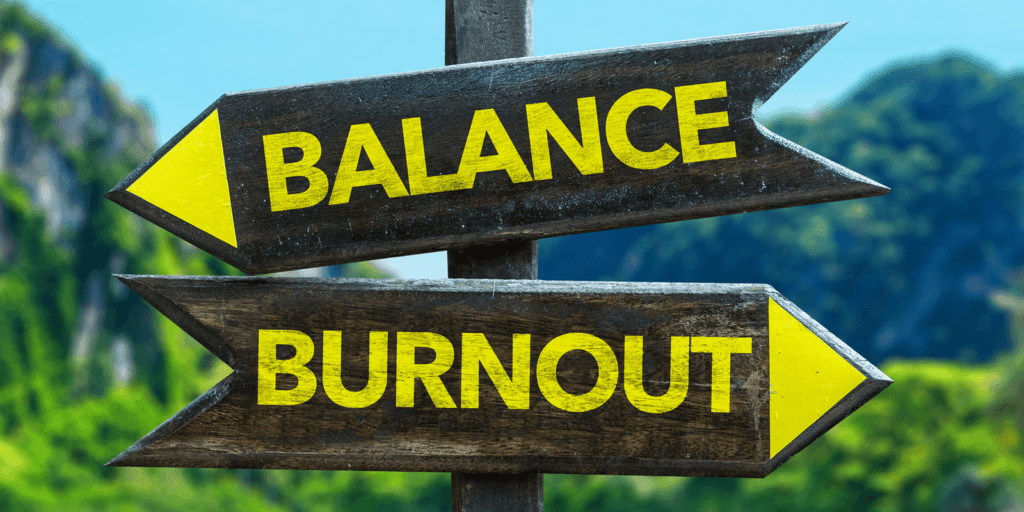
In our fast-paced, demanding world, it’s becoming increasingly difficult to find balance between work, personal life, and overall well-being. One crucial aspect of achieving this balance is the ability to say no.

The Consequences of Overcommitment

Overcommitting ourselves can lead to a myriad of negative consequences, including:
- Burnout: Physical and emotional exhaustion
- Decreased productivity
- Poor decision-making
- Impaired relationships
- Chronic stress
The Power of Saying No
Saying no is not about being selfish or uncooperative. It’s about setting healthy boundaries to protect our time, energy, and well-being. When we say no, we prioritize our own needs and create space for activities that truly matter to us.
Benefits of Saying No
Saying no can have numerous benefits, such as:
- Reduced stress levels
- Improved productivity
- Increased focus and concentration
- Enhanced self-esteem
- Stronger relationships
How to Say No Politely and Effectively
Saying no can be challenging, especially when we feel pressure from others. However, there are polite and effective ways to decline requests:
- Be direct and clear: State your refusal firmly but respectfully.
- Explain your reasons (if comfortable): Briefly explain why you’re unable to commit.
- Offer alternatives: If possible, suggest alternative solutions or people who may be able to help.
- Be assertive but not aggressive: Maintain a polite and professional tone, but don’t be afraid to stand up for yourself.
- Practice self-care: Take care of your own physical and mental health, which includes saying no to things that deplete you.
Overcoming the Guilt and Fear
Saying no can trigger feelings of guilt or fear. However, it’s important to remember that:
- You have the right to prioritize your well-being.
- People may initially be disappointed, but they will respect your decision if you’re honest and respectful.
- Over time, you’ll become more confident in saying no and protecting your boundaries.
Conclusion
The ability to say no is essential for maintaining a balanced and fulfilling life. By setting healthy boundaries, we can reduce burnout, improve our well-being, and make space for the things that truly matter. Remember, saying no is not selfish; it’s a powerful tool for self-care and personal growth.## From Burnout To Balance: The Importance Of Saying No
Executive Summary
In today’s fast-paced world, it’s easy to feel overwhelmed and burnt out. One of the most important things we can do to protect our mental and physical health is to learn to say no. This article will explore the importance of saying no, provide tips on how to do it effectively, and discuss the benefits of setting boundaries.
Introduction
Have you ever felt like you’re constantly saying yes to things, even when you don’t really want to? If so, you’re not alone. Many of us struggle with the fear of disappointing others or letting them down. As a result, we often end up overcommitting ourselves and feeling burnt out.
FAQ
Q: Why is it important to say no?
A: Saying no is important for several reasons. First, it allows us to protect our time and energy. When we say yes to too many things, we end up feeling overwhelmed and stressed. Second, saying no helps us to set boundaries. When we know our limits and are able to communicate them to others, we are less likely to be taken advantage of. Third, saying no can help us to prioritize our own needs. When we are able to say no to things that are not important to us, we can make more time for the things that we do care about.
Q: How can I say no effectively?
A: Here are a few tips for saying no effectively:
- Be polite but firm.
- Explain your reasons for saying no.
- Offer an alternative if possible.
- Don’t be afraid to say no to people you don’t know well.
- Practice saying no in a mirror or with a friend.
Q: What are the benefits of saying no?
A: There are many benefits to saying no, including:
- Reduced stress and anxiety
- Increased self-confidence
- Improved relationships
- More time for yourself
- Greater sense of control over your life
Set Boundaries
One of the most important things we can do to protect our time and energy is to set boundaries. Boundaries are limits that we set for ourselves and others. They help us to communicate what we are and are not willing to tolerate. Setting boundaries can be difficult, but it is essential for our mental and physical health.
Establish Priorities
When we are feeling overwhelmed, it is important to take a step back and establish our priorities. What are the most important things to us? What can we afford to let go of? Once we know what our priorities are, we can start to say no to the things that are not important to us.
Protect Your Time
Our time is precious. We only have a certain amount of it, and we need to use it wisely. One of the best ways to protect our time is to say no to things that are not a good use of it. If something is not important to us, or if we don’t have the time to do it, we should say no.
Learn to Delegate
One of the best ways to avoid burnout is to learn to delegate. If we are constantly trying to do everything ourselves, we will quickly become overwhelmed. Instead, we should learn to delegate tasks to others. This will free up our time so that we can focus on the things that are most important to us.
Take Care of Yourself
Last but not least, it is important to take care of ourselves. This means getting enough sleep, eating healthy foods, and exercising regularly. When we take care of ourselves, we are better able to cope with stress and manage our time effectively.
Conclusion
Saying no is an important skill that can help us to reduce stress, improve our relationships, and live a more balanced life. It is not always easy to say no, but it is worth it. If we want to live a happy and fulfilling life, we need to learn to set boundaries and protect our time and energy.
Keyword Tags
- Saying no
- Boundaries
- Time management
- Self-care
- Burnout