Strategies for Achieving Academic Success in College
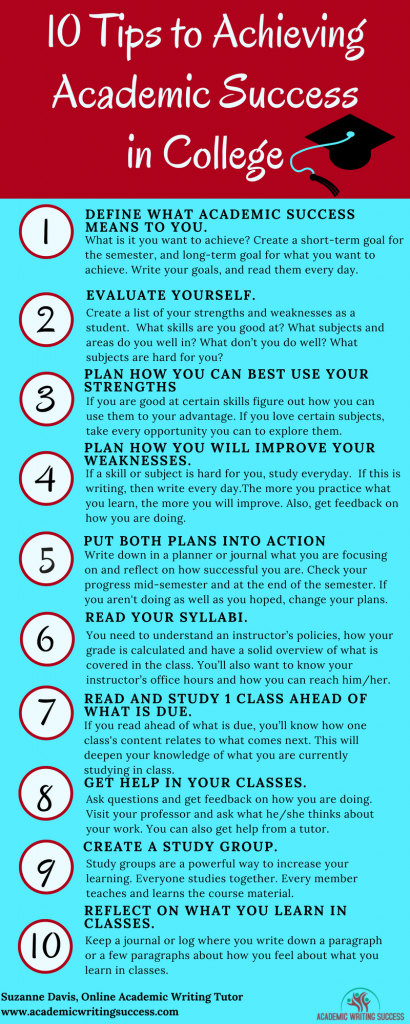
1. Set Realistic Goals:
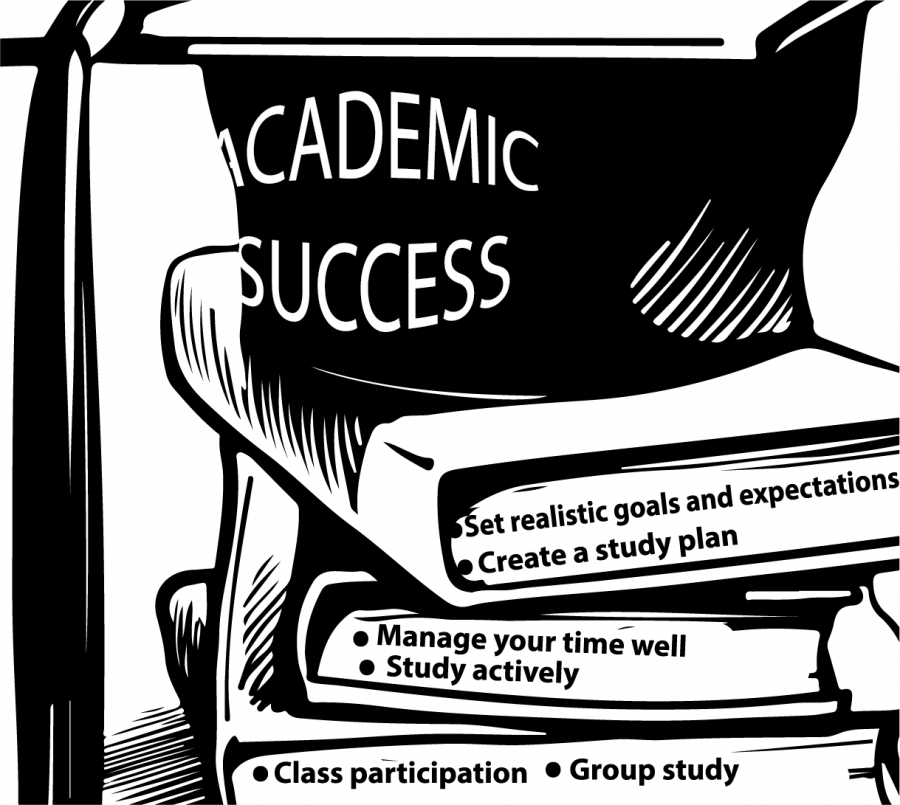
- Break down large tasks into smaller, manageable chunks.
- Set attainable goals and celebrate your progress.
- Avoid overwhelming yourself with unrealistic expectations.
2. Manage Your Time Wisely:
- Create a schedule and stick to it.
- Prioritize tasks based on importance and urgency.
- Use time management tools such as calendars, planners, and to-do lists.
3. Attend Class Regularly:
- Attend all scheduled classes and participate actively.
- Take notes and ask questions to enhance understanding.
- Avoid skipping classes, as it can create gaps in your knowledge.
4. Study Effectively:
- Review notes daily or weekly to reinforce material.
- Use a variety of study techniques, such as flashcards, practice questions, and concept mapping.
- Join study groups or seek extra help from instructors or tutors.
5. Take Breaks and Reward Yourself:
- Regular breaks help prevent burnout and enhance focus.
- Take time for activities you enjoy, such as exercise, socializing, or reading for pleasure.
- Reward yourself for accomplishments to stay motivated.
6. Seek Support When Needed:
- Reach out to professors during office hours for clarification and support.
- Join student organizations or clubs to connect with peers and access resources.
- Utilize campus resources such as counseling services, tutoring centers, and academic advising.
7. Focus on Understanding, Not Just Memorization:
- Strive to comprehend the concepts rather than simply memorizing facts.
- Apply knowledge to real-world situations to enhance retention and understanding.
- Make connections between new information and existing knowledge.
8. Develop Strong Reading and Writing Skills:
- Engage actively with assigned readings by highlighting, annotating, and summarizing.
- Write clearly and concisely in all academic assignments, using proper grammar and structure.
- Utilize writing centers or online resources to improve writing skills.
9. Sleep Well and Eat Healthy:
- Get enough sleep to ensure cognitive function and focus.
- Nourish your body with a healthy diet that supports brain health.
- Limit unhealthy habits such as excessive caffeine and alcohol consumption.
10. Stay Organized:
- Keep your notes, assignments, and materials well-organized in folders or digital systems.
- Use a centralized space for studying and working to minimize distractions.
- Digital tools can help automate tasks and enhance organization.
Additional Tips:
- Be aware of your learning style and adjust your study techniques accordingly.
- Collaborate with classmates to share ideas and enhance understanding.
- Engage in self-reflection and identify areas where you can improve.
- Don’t give up easily and seek support as needed.
- Remember that academic success is a journey that requires consistent effort and a positive mindset.## Achieving Academic Success: Strategies For College Students
College is an exciting and formative time in a young person’s life. It is a period of great learning, growth, and self-discovery. It can also be a time of stress and anxiety, as students strive to succeed in their studies. There are many strategies that college students can use to achieve academic success. Some of these strategies include setting goals, developing good study habits, seeking help when needed, and taking care of their mental and physical health.
Executive Summary
In this article, we will discuss some of the best strategies for achieving academic success. We will cover everything from setting goals to taking care of your mental and physical health. We will also provide tips for staying motivated and dealing with stress. By following these strategies, you can set yourself up for success in college and beyond.
Introduction
College is a time of great opportunity. It is a time to learn new things, meet new people, and explore your interests. It is also a time to develop the skills you need to succeed in your career and in life.
However, college can also be a time of stress and anxiety. Many students feel overwhelmed by the workload and the pressure to succeed. They may also be struggling to adjust to a new environment and new social norms.
If you are feeling overwhelmed, it is important to remember that you are not alone. Many college students feel the same way. There are many resources available to help you succeed, and you should not be afraid to seek help when you need it.
In this article, we will provide you with some strategies for achieving academic success. We will cover everything from setting goals to taking care of your mental and physical health. By following these strategies, you can set yourself up for success in college and beyond.
FAQ
Q: What is the most important thing I can do to achieve academic success?
A: The most important thing you can do to achieve academic success is to set goals. Goals give you something to strive for and help you stay motivated. When setting goals, be sure to make them specific, measurable, achievable, relevant, and time-bound.
Q: How can I develop good study habits?
A: Good study habits are essential for academic success. Some tips for developing good study habits include:
- Creating a regular study schedule and sticking to it as much as possible.
- Finding a quiet place to study where you can focus.
- Breaking down large tasks into smaller, more manageable ones.
- Taking breaks throughout your study session to avoid burnout.
- Rewarding yourself for completing your study goals.
Q: What should I do if I am struggling in a class?
A: If you are struggling in a class, it is important to seek help early on. Don’t wait until it is too late. Talk to your professor, teaching assistant, or a tutor. There are also many resources available online and at the library that can help you succeed in your classes.
Setting Goals
One of the most important things you can do to achieve academic success is to set goals. Goals give you something to strive for and help you stay motivated. When setting goals, be sure to make them specific, measurable, achievable, relevant, and time-bound.
- Specific: Your goals should be specific and well-defined. For example, instead of saying “I want to improve my grades,” say “I want to raise my GPA by 0.5 points this semester.”
- Measurable: Your goals should be measurable so that you can track your progress. For example, instead of saying “I want to be more organized,” say “I want to reduce the amount of time I spend looking for things by 50%.”
- Achievable: Your goals should be achievable, but not too easy. If your goals are too easy, you will not be motivated to achieve them. If your goals are too difficult, you may become discouraged.
- Relevant: Your goals should be relevant to your academic goals and your overall goals for your life. For example, if you want to become a doctor, your academic goals should be focused on achieving the grades and test scores that you need to get into medical school.
- Time-bound: Your goals should have a deadline. This will help you stay on track and motivated. For example, instead of saying “I want to read more,” say “I want to read one book per month.”
Developing Good Study Habits
Good study habits are essential for academic success. Some tips for developing good study habits include:
- Creating a regular study schedule and sticking to it as much as possible. This will help you stay on track and avoid procrastination.
- Finding a quiet place to study where you can focus. This may be in the library, in your dorm room, or at a coffee shop.
- Breaking down large tasks into smaller, more manageable ones. This will make them seem less daunting and more achievable.
- Taking breaks throughout your study session to avoid burnout. Get up and move around every 30-45 minutes, or take a short break to clear your head.
- Rewarding yourself for completing your study goals. This will help you stay motivated and make studying more enjoyable.
Seeking Help When Needed
There is no shame in seeking help when you need it. In fact, asking for help is a sign of strength and maturity. If you are struggling in a class, don’t wait until it is too late. Talk to your professor, teaching assistant, or a tutor. They can help you understand the material, improve your study habits, and get back on track.
There are also many resources available online and at the library that can help you succeed in your classes. For example, you can find online tutorials, practice questions, and study guides. You can also find online forums where you can connect with other students and ask questions.
Taking Care of Your Mental and Physical Health
Taking care of your mental and physical health is essential for academic success. When you are healthy, you are better able to focus, learn, and remember information.
There are many things you can do to take care of your mental and physical health, including:
- Getting enough sleep. Most adults need 7-8 hours of sleep per night. When you are well-rested, you are better able to focus and concentrate.
- Eating healthy foods. Eating a healthy diet will give you the energy you need to succeed in school. Be sure to eat plenty of fruits, vegetables, and whole grains.
- Exercising regularly. Exercise is a great way to relieve stress and improve your mood. Aim for at least 30 minutes of moderate-intensity exercise most days of the week.
- Managing stress. Stress can take a toll on your mental and physical health. Find healthy ways to manage stress, such as exercise, meditation, or yoga.
- Getting help when needed. If you are struggling with your mental health, it is important to seek professional help.
Conclusion
Achieving academic success is not always easy. However, by following the strategies outlined in this article, you can set yourself up for success. Remember to set goals, develop good study habits, seek help when needed, and take care of your mental and physical health. By following these strategies, you can achieve your academic goals and reach your full potential.
Keyword Tags
- academic success
- college students
- study tips
- time management
- mental health