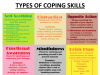
Embrace the Surge: Recognize that stress is inherent in exams. Harness it as a catalyst for focus and alertness.
Never Ignore: Reach out for support when feeling overwhelmed. Talk to friends, family, teachers, or counselors.

Get Grounded: Practice relaxation techniques such as deep breathing, meditation, or yoga to calm the mind and body.

Limit Negativity: Surround yourself with positive influences and avoid dwelling on setbacks. Remind yourself of your strengths.
Indulge in Self-Care: Prioritize sleep, nutrition, and exercise. These foundational habits support mental wellness.
Seek Balance: Create a study schedule that allows for breaks and activities that bring joy. Engage in hobbies or social connections.
Healthy Perspective: Remember that exams are not a measure of your self-worth. Focus on improvement rather than perfection.## From Stress To Success: A Student’s Guide To Mental Wellness During Exams
Executive Summary
This comprehensive guide empowers students with essential strategies to navigate the mental and emotional challenges of exams, promoting well-being and academic achievement.
Introduction
Exams can evoke intense stress, anxiety, and self-doubt among students. However, with effective mental wellness practices, students can transform stress into motivation, enhancing their performance and overall well-being. This guide presents practical tips and insights to guide students towards exam success while safeguarding their mental health.
FAQs
Q: How can I manage exam stress and anxiety?
A: Effective stress management techniques include practicing relaxation techniques, such as deep breathing and mindfulness meditation; engaging in physical activity; prioritizing tasks; and seeking support from peers, family, or a counselor.
Q: How can I maintain a positive mindset during exams?
A: Focus on positive self-talk, reminding yourself of your strengths and past successes; set realistic goals; break down large study tasks into smaller, manageable chunks; and celebrate your achievements along the way.
Q: What resources are available to support my mental well-being during exams?
A: Many universities and colleges offer counseling services, tutoring programs, and peer support groups specifically designed to assist students during stressful periods, such as exams.
Top 5 Subtopics
1. Stress Management
- Identify your stress triggers: Pinpoint the specific situations or thoughts that provoke your stress response.
- Practice relaxation techniques: Engage in activities that calm your body and mind, such as deep breathing, mindfulness meditation, or yoga.
- Engage in physical activity: Exercise releases endorphins, which have mood-boosting effects and reduce stress levels.
- Prioritize and manage your time: Create a realistic study schedule that allows for breaks and relaxation time.
- Seek support: Talk to your family, friends, peers, or a counselor about your stress and concerns.
2. Time Management and Organization
- Create a study schedule: Develop a structured plan that maximizes study time while allowing for rest and social activities.
- Break down large tasks: Divide extensive study material into smaller, manageable chunks to avoid feeling overwhelmed.
- Prioritize tasks: Identify the most important concepts and focus on mastering those first.
- Avoid procrastination: Start studying early to prevent the accumulation of stress and anxiety.
- Take breaks: Incorporate short breaks throughout your study sessions to maintain focus and prevent burnout.
3. Sleep and Nutrition
- Get enough sleep: Aim for 7-9 hours of quality sleep each night to support memory consolidation and cognitive functioning.
- Eat a balanced diet: Nourish your body with nutrient-rich foods, such as fruits, vegetables, whole grains, and lean protein.
- Limit caffeine and alcohol: Excessive consumption can disrupt sleep and exacerbate stress levels.
- Hydrate adequately: Drink plenty of water to maintain alertness and focus.
- Consider supplements: Consult a healthcare professional about the potential benefits of supplements, such as magnesium or valerian root, for stress reduction and sleep improvement.
4. Positive Mindset
- Focus on your strengths: Remind yourself of your past successes and abilities.
- Set realistic goals: Avoid pressuring yourself with overly ambitious targets; break down large goals into smaller, achievable steps.
- Engage in positive self-talk: Replace negative thoughts with positive affirmations.
- Celebrate your achievements: Acknowledge your progress and reward yourself for your efforts.
- Surround yourself with positivity: Spend time with supportive friends, family, or mentors who encourage and uplift you.
5. Seeking Support and Resources
- Counseling services: Universities and colleges often provide counseling services designed to support students through stressful periods.
- Tutoring programs: Seek assistance from tutors to clarify concepts and enhance understanding.
- Peer support groups: Connect with other students who are also experiencing exam stress and anxiety.
- Hotlines and online resources: Utilize helplines or online mental health platforms for additional support and guidance.
- Mindfulness apps: Explore mindfulness and meditation apps to promote relaxation and reduce stress.
Conclusion
By embracing these mental wellness practices, students can equip themselves to navigate the challenges of exams with greater resilience and confidence. Prioritizing stress management, time management, sleep and nutrition, a positive mindset, and seeking support empower students to not only achieve academic success but also safeguard their overall well-being. Remember, exams are not just tests of knowledge but also opportunities for personal growth and the development of invaluable coping mechanisms that will serve you well beyond the academic realm.
Keywords
- Exam Stress
- Mental Wellness
- Student Success
- Stress Management
- Time Management