Time Management: A Key Driver of Academic Success

Time management is an indispensable skill for students of all ages. By effectively managing their time, students can improve their academic performance in several ways:
1. Enhanced Focus and Concentration:

- Effective time management allows students to prioritize tasks and focus on the most important ones.
- It eliminates distractions and creates a conducive study environment, improving concentration and productivity.
2. Reduced Stress and Anxiety:
- Procrastination and overwhelming workloads contribute to stress and anxiety.
- Time management empowers students to complete tasks on time, reducing stress levels and fostering a positive learning environment.
3. Improved Study Habits:
- Regular study sessions and scheduled breaks promote consistency and reinforce learning.
- Time management helps students develop good study habits, maximizing their retention and comprehension.
4. Increased Productivity:
- Effective time management allows students to use their time more efficiently.
- By planning and prioritizing, they can accomplish more within a shorter period, boosting their productivity.
5. Better Attendance and Class Participation:
- Time management skills ensure that students arrive to class prepared and on time.
- It allows them to review materials ahead of time and actively participate in discussions, enhancing their class experience.
Comprehensive Guide to Time Management Techniques
1. Prioritization:
- Identify the most important tasks and allocate your time accordingly.
- Use the Eisenhower Matrix to categorize tasks based on urgency and importance.
2. Time Blocking:
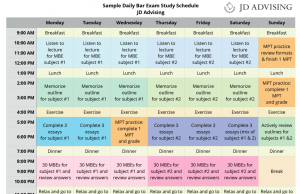
- Divide your day into specific time slots dedicated to different tasks.
- Stick to the schedule as much as possible to maintain consistency and focus.
3. Pomodoro Technique:
- Alternate between focused study sessions (25 minutes) and short breaks (5 minutes).
- This technique helps improve concentration and prevent burnout.
4. To-Do Lists and Calendars:
- Create daily or weekly to-do lists to track tasks and set deadlines.
- Use a calendar to schedule important events, assignments, and study sessions.
5. Avoiding Procrastination:
- Break down large tasks into smaller, manageable chunks.
- Set realistic goals and reward yourself for completing them on time.
- Identify and eliminate distractions to minimize procrastination.
6. Technology Tools:
- Utilize productivity apps and software to manage schedules, set reminders, and stay organized.
- Consider using timers and noise-canceling headphones to enhance focus.
7. Flexibility and Adjustment:
- Time management is an ongoing process that requires flexibility and adjustment.
- Be willing to experiment with different techniques and adapt as needed.
Conclusion
Time management is an essential skill that empowers students to achieve their academic goals. By adopting effective time management techniques, students can enhance their focus, reduce stress, improve their study habits, boost their productivity, and excel in their academic pursuits. With consistent effort and a commitment to time management, all students can reap the numerous benefits it offers for academic success.## How Time Management Boosts Academic Performance: A Comprehensive Guide
Executive Summary
Effective time management is crucial for academic success. Students who master time management skills can improve their grades, reduce stress, and enhance their overall academic experience. This guide provides a comprehensive overview of time management strategies and techniques, empowering students to optimize their schedules and achieve their educational goals.
Introduction
Time is a valuable and finite resource for students. With academic responsibilities, extracurricular activities, and social commitments, managing time effectively can be challenging. However, developing strong time management skills can empower students to balance their schedules, stay organized, and maximize their productivity.
Frequently Asked Questions
Q: How does time management improve academic performance?
A: Time management helps students prioritize tasks, allocate time efficiently, and avoid procrastination. By effectively managing their time, students can complete assignments on time, prepare for exams thoroughly, and engage in meaningful learning experiences.
Q: What are the benefits of effective time management for students?
A: Effective time management enables students to:
- Improve grades by completing assignments and studying efficiently
- Reduce stress by managing their workload and avoiding overwhelming situations
- Enhance focus and concentration by minimizing distractions
- Increase productivity by optimizing their study and work sessions
- Improve overall well-being by maintaining a balanced schedule
Q: How can I improve my time management skills?
A: To improve time management skills, students can:
- Set realistic goals and prioritize tasks using tools like to-do lists or planners
- Break down large projects into smaller, manageable chunks
- Allocate specific time slots for studying, assignments, and breaks
- Use technology effectively for organization and reminders
- Seek support from teachers, tutors, or mentors when needed
Essential Time Management Strategies for Academic Success
Planning and Prioritization
- Set SMART goals: Establish specific, measurable, achievable, relevant, and time-bound goals.
- Prioritize tasks: Use the Eisenhower Matrix to categorize tasks based on urgency and importance.
- Create a schedule and stick to it: Plan out each day or week, allocating time for assignments, studying, and breaks.
- Break down large projects: Divide overwhelming assignments into smaller, more manageable tasks.
- Use technology for organization: Utilize apps and tools for task management, reminders, and note-taking.
Time Allocation and Management
- Allocate specific time slots: Assign dedicated time slots for studying, assignments, and breaks to maintain focus and avoid distractions.
- Use the Pomodoro Technique: Work in focused intervals of 25 minutes, separated by short breaks.
- Minimize distractions: Identify and eliminate distractions during study and work sessions.
- Take breaks: Schedule regular breaks to avoid burnout and maintain productivity.
- Learn to say no: Politely decline additional commitments or tasks that would compromise your schedule.
Study Optimization
- Active reading: Engage with texts by highlighting, annotating, and summarizing key points.
- Spaced repetition: Review material at increasing intervals to improve retention.
- Utilize study groups: Collaborate with classmates to discuss concepts and test understanding.
- Seek help when needed: Ask questions to teachers, tutors, or peers to clarify difficult concepts.
- Utilize technology for study: Use online resources, simulations, and educational apps to enhance learning.
Assessment Preparation
- Review regularly: Consistently review material throughout the semester to retain knowledge.
- Practice active recall: Test yourself on concepts by summarizing, answering practice questions, or teaching them to others.
- Create study guides: Organize key concepts and materials for quick review before exams.
- Manage test anxiety: Practice relaxation techniques, such as deep breathing or meditation, to reduce stress during exams.
- Seek peer support: Study with classmates or form study groups to reinforce concepts and prepare for exams.
Stress Management and Well-being
- Set realistic goals: Avoid overloading your schedule and set achievable targets to reduce stress.
- Delegate and ask for help: Identify tasks that can be delegated to others or seek assistance from teachers or peers when needed.
- Take care of your physical and mental health: Prioritize sleep, nutrition, and exercise to maintain well-being.
- Take breaks and engage in non-academic activities: Schedule regular breaks and pursue activities that provide enjoyment and relaxation.
- Seek support systems: Connect with friends, family, or counselors for emotional support and stress management.
Conclusion
Time management is a cornerstone of academic success. By implementing the strategies outlined in this guide, students can optimize their schedules, enhance their productivity, and achieve their academic goals. Effective time management empowers students to balance their responsibilities, reduce stress, and maximize their learning experiences, paving the way for a fulfilling academic journey.
Keyword Tags
- Time management
- Academic performance
- Study skills
- Productivity
- Stress reduction