Making the Most of College Resources: A Guide for Students
Introduction

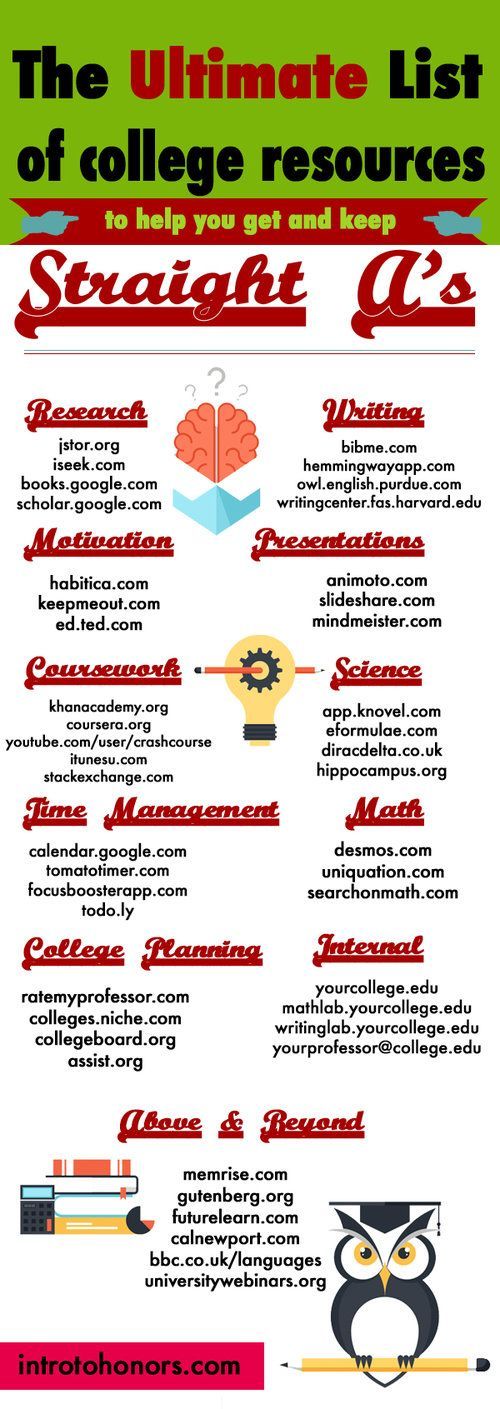
College offers a wealth of resources to support student success. By effectively utilizing these resources, students can enhance their academic, personal, and career development. This guide will highlight key resources available to students and provide strategies for maximizing their benefits.

Academic Resources
- Academic Advising: Advisors provide guidance on course selection, academic plans, and degree requirements.
- Tutoring Services: Free or low-cost tutoring is offered in various subjects to support students struggling or seeking additional practice.
- Writing Centers: Offer assistance with writing assignments, from brainstorming and outlining to editing and proofreading.
- Libraries: Provide access to books, articles, databases, and research materials essential for academic assignments.
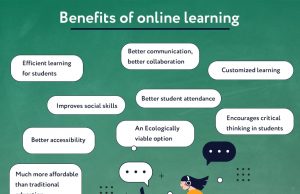
- Online Learning Platforms: Offer access to digital materials, interactive assignments, and communication tools to enhance learning outside of the classroom.
Personal Development Resources
- Counseling Services: Provide confidential support for mental health, personal issues, and academic challenges.
- Career Services: Offer career counseling, resume writing assistance, and job search support.
- Health and Wellness Services: Provide medical care, mental health services, and other health-related resources.
- Student Clubs and Organizations: Allow students to connect with peers who share similar interests, develop leadership skills, and engage in extracurricular activities.
- Study Abroad Programs: Provide opportunities to broaden perspectives, enhance cultural understanding, and explore different educational systems.
Financial Resources
- Financial Aid Office: Assists students with applying for grants, scholarships, loans, and work-study programs.
- Student Employment: Provides on-campus jobs that can help students offset expenses and gain valuable work experience.
- Scholarships and Grants: Funding opportunities available to students based on merit, need, or specific criteria.
- Emergency Funds: May provide financial assistance to students facing unexpected expenses or crises.
Technology Resources
- Wi-Fi Access: Free campus-wide Wi-Fi allows students to connect to the internet for academic purposes and social networking.
- Computer Labs: Offer access to computers and software for research, assignments, and study sessions.
- Technology Support Services: Provide assistance with hardware and software issues, troubleshooting, and technical training.
- Mobile Apps: Universities often provide mobile apps that allow students to access course materials, grades, and other important information.
Strategies for Maximizing Benefits
- Identify Needs: Assess your academic, personal, and financial needs to determine which resources are most relevant to you.
- Research and Explore: Take time to explore the available resources and their benefits thoroughly.
- Seek Assistance Early: Don’t hesitate to reach out for help if you are struggling or need guidance.
- Plan Ahead: Schedule appointments, attend workshops, and utilize resources consistently to maximize their effectiveness.
- Communicate Effectively: Ask questions, provide feedback, and engage with staff and faculty to optimize your experience.
Conclusion
By effectively utilizing college resources, students can create a supportive environment that fosters their academic, personal, and professional growth. By identifying their needs, exploring available options, and seeking assistance when needed, students can make the most of their college experience and maximize their potential for success.## Making The Most Of College Resources: A Guide For Students
Executive Summary
College campuses offer a variety of resources to support students’ academic, personal, and professional development. This comprehensive guide provides an overview of the five most valuable resources available to college students and offers practical tips on how to maximize their benefits.
Introduction
Transitioning to college can be both an exciting and overwhelming experience. Fortunately, campuses are equipped with an array of resources designed to help students succeed. By harnessing these resources, students can enhance their learning experiences, overcome challenges, and make the most of their college journeys.
Frequently Asked Questions (FAQs)
1. What types of resources are available to college students?
College resources encompass a wide range of services, including academic support (tutoring, writing centers), student health and counseling, career advising, financial aid, and extracurricular activities.
2. How can I find out about the resources offered by my college?
The best way to learn about campus resources is to consult with your academic advisor, visit the college website, or attend orientation events.
3. Are these resources free to use?
Most campus resources are either free or offered at a low cost. However, it is always advisable to check with the relevant departments for specific information.
Top 5 College Resources
Academic Support
- Tutoring: Provides one-on-one or small-group assistance with coursework, improving understanding and academic performance.
- Writing Centers: Offers guidance on writing assignments, from brainstorming to editing, helping students develop their writing skills.
- Supplemental Instruction (SI): Peer-led group study sessions that review course material and provide a supportive learning environment.
- Math Labs: Dedicated spaces with computers, software, and tutors to assist with mathematics courses.
- Language Labs: Similar to Math Labs, but focus on providing resources and support for language learning.
Student Health and Counseling
- Health Services: Provides primary and urgent medical care, vaccinations, and health education programs, ensuring students’ physical well-being.
- Counseling Services: Offers individual and group counseling to address mental health concerns, personal issues, and academic challenges.
- Wellness Programs: Promotes overall health and well-being through fitness classes, nutrition workshops, and stress management techniques.
- Disability Services: Supports students with disabilities by providing accommodations, assistive technology, and counseling.
- Peer Support Groups: Facilitated by trained students, these groups provide a safe and supportive environment for discussing common challenges.
Career Advising
- Career Counseling: Helps students explore career options, develop job search strategies, and prepare for the job market.
- Resume and Cover Letter Writing: Provides guidance and feedback on creating effective job application materials.
- Mock Interviews: Offers practice interviews to help students build confidence and improve their interview skills.
- Internship and Job Placement: Connects students with internship and job opportunities and provides support throughout the application process.
- Networking Events: Hosts events that facilitate connections between students, alumni, and potential employers.
Financial Aid
- Scholarships: Free money awarded based on merit, financial need, or specific criteria, reducing the cost of college.
- Grants: Similar to scholarships but typically based on financial need and do not require repayment.
- Student Loans: Money borrowed from the government or private lenders to finance college expenses, which must be repaid with interest.
- Work-Study Programs: Part-time jobs on campus that allow students to earn money while gaining valuable work experience.
- Financial Literacy Workshops: Provides education on budgeting, managing debt, and planning for financial success.
Extracurricular Activities
- Clubs and Organizations: Offer a wide range of opportunities for students to connect with others, pursue interests, and develop leadership skills.
- Intramural Sports: Recreational sports leagues that provide opportunities for physical activity, competition, and social engagement.
- Student Government: Allows students to participate in college governance, advocate for student interests, and shape campus policies.
- Volunteering: Connects students with community organizations, providing opportunities to make a difference and gain valuable experience.
- Performing Arts: Offers opportunities for students to showcase their talents in music, theater, dance, and other artistic endeavors.
Conclusion
College campuses are brimming with resources designed to empower students to succeed. By taking advantage of these invaluable services, students can maximize their learning experiences, overcome challenges, and make the most of their time in higher education. Remember to explore the resources offered by your institution, seek guidance from professionals, and actively engage in activities that support your academic, personal, and professional growth.
Relevant Keyword Tags
- College Resources
- Academic Support
- Student Health and Counseling
- Career Advising
- Financial Aid
- Extracurricular Activities