====== Elaboration ======
Elaboration: A Key to Unlocking Academic Success
In the realm of education, achieving academic excellence often hinges on developing effective study habits. Successful students possess a toolkit of strategies that enable them to grasp concepts, retain information, and perform well on assessments. Among these habits, elaboration stands out as a cornerstone technique.
What is Elaboration?
Elaboration is a cognitive process that involves actively connecting new information with existing knowledge, creating meaningful relationships and strengthening memory. It is a deliberate effort to expand upon new concepts by linking them to personal experiences, examples, or prior learning.
Benefits of Elaboration
Incorporating elaboration into study routines offers numerous benefits:
- Enhanced Comprehension: Elaborating on new material helps students understand its significance and how it fits within the broader context of their knowledge.
- Improved Memory: By actively connecting new information to existing memories, elaboration makes it easier to recall and retrieve knowledge when needed.
- Increased Problem-Solving Skills: Elaboration fosters a deeper understanding of concepts, enabling students to apply them effectively to solve problems and generate creative solutions.
- Boosted Confidence: Successful elaboration experiences build confidence in students, as they realize their ability to comprehend and retain knowledge.
10 Study Habits of Successful Students: How to Boost Your Academic Performance
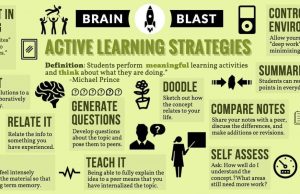
- Practice Active Reading: Highlight important points, summarize paragraphs, and jot down questions while reading to engage in active elaboration.
- Create Mind Maps: Visualize relationships between concepts by creating mind maps that connect new material to existing knowledge.
- Use Flashcards with Elaborations: Write down new terms or concepts on flashcards and add personal examples or connections to enhance retention.
- Engage in Spaced Repetition: Review material at increasing intervals to strengthen memory and facilitate elaboration.
- Teach the Material: Explain new concepts to someone else or yourself to test your understanding and elaborate on the material.
- Use Real-Life Examples: Connect new knowledge to practical experiences to make it more relatable and memorable.
- Take Notes in Your Own Words: Reformulate notes in a way that makes sense to you, adding personal insights and elaborations.
- Draw Diagrams and Pictures: Visual representations stimulate elaboration and aid in understanding complex concepts.
- Engage in Group Study: Discuss and elaborate on concepts with peers to gain diverse perspectives and deepen comprehension.
- Seek Clarification: Ask questions and seek clarification when you encounter difficulties, encouraging further elaboration and understanding.
Additional Elaboration Techniques
Beyond the study habits above, here are some additional techniques to promote elaboration:
- Analogies and Metaphors: Draw parallels between new concepts and familiar ideas to make them more accessible.
- Self-Questioning: Ask yourself questions about the material to stimulate elaboration and challenge your comprehension.
- Storytelling: Create narratives that incorporate new information, making it more engaging and memorable.
- Concept Mapping: Use concept maps to visually represent the relationships between concepts, facilitating elaboration and retention.
Conclusion
Elaboration is an indispensable study habit for students seeking academic success. By actively connecting new information to existing knowledge, students enhance their comprehension, memory, problem-solving skills, and confidence. Incorporating the study habits outlined above into your routine will empower you to unlock your full academic potential and achieve your educational goals.
Secondary Keywords: Elaboration, Study Habits, Academic Performance, Cognition, Learning Strategies