====== Classroom Innovation ======
Unlocking the Power of Classroom Innovation for the Modern Learner
In today’s rapidly evolving educational landscape, classroom innovation has emerged as a cornerstone of modern teaching and learning. By embracing cutting-edge technologies and pedagogical approaches, educators can transform their classrooms into dynamic and engaging spaces that foster students’ intellectual growth, creativity, and critical thinking skills.
What is Classroom Innovation?
Classroom innovation encompasses a wide range of strategies, tools, and technologies that enhance the teaching and learning experience beyond traditional classroom practices. It involves:
- Integrating technology to personalize learning and make it more interactive
- Adopting blended learning models that combine online and offline instruction
- Creating flexible and interactive learning spaces that promote collaboration
- Empowering students through project-based learning and inquiry-driven approaches
- Fostering a culture of creativity and innovation through hands-on experiments and problem-solving activities
Benefits of Classroom Innovation
Classroom innovation offers numerous benefits for students and educators alike:
- Increased student engagement: Innovative approaches capture students’ attention, make learning more relevant to their lives, and foster a love of learning.
- Personalized learning experiences: Technology allows educators to tailor instruction to meet the individual needs and learning styles of each student.
- Improved critical thinking and problem-solving skills: Hands-on activities, project-based learning, and inquiry-driven approaches develop students’ critical thinking and problem-solving abilities.
- Enhanced collaboration and communication: Interactive learning spaces and online tools facilitate collaboration among students, fostering a sense of community and improving communication skills.
- Greater teacher effectiveness: Innovative technologies and teaching approaches empower educators to become more effective and efficient in their instruction.
Examples of Classroom Innovation
Numerous examples of classroom innovation are transforming the educational landscape:
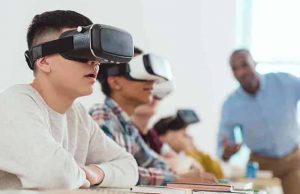
- Virtual Reality (VR): VR allows students to experience immersive simulations, explore distant lands, and conduct hands-on experiments that would otherwise be impossible.
- Augmented Reality (AR): AR overlays digital information onto the real world, creating interactive learning experiences that enhance students’ understanding of complex concepts.
- Gamification: Game-based learning incorporates elements of play and competition to make learning more engaging and motivating.
- Flipped Classroom Model: Students learn content outside of class and use class time for interactive activities, discussions, and problem-solving.
- Project-Based Learning: Students work in teams on extended projects that require them to apply their knowledge and skills to real-world problems.
Conclusion
Classroom innovation is essential for preparing students for the challenges and opportunities of the 21st century. By embracing innovative technologies, pedagogical approaches, and learning spaces, educators can unlock the full potential of their students and empower them with the skills and knowledge they need to succeed in school and beyond.
Secondary Keywords:
- Immersive Learning
- Blended Learning
- Flexible Learning Spaces
- STEM Education
- Personalized Instruction