====== Learner-Centric Education: Unleashing the Power of Customized Learning ======
In the ever-evolving educational landscape, the concept of customized learning has emerged as a transformative force, empowering learners with personalized pathways to academic success. Unlike traditional one-size-fits-all approaches, customized learning tailors educational experiences to the unique needs, learning styles, and aspirations of each student.
Imagine a classroom where every learner embarks on a journey tailored specifically for them. No longer confined by rigid curricula, students navigate through engaging and interactive activities that cater to their individual strengths and areas of growth. This is the power of customized learning. Let’s delve into how this innovative approach is revolutionizing education today.
Understanding Customized Learning
At its core, customized learning places the learner at the center of the educational process. It recognizes that every student is on a unique journey, with distinct learning needs and preferences. Customized learning empowers educators with tools and strategies to tailor instruction to each student’s individual needs.
Benefits of Customized Learning
The benefits of customized learning are profound and far-reaching. When students are engaged in learning experiences that resonate with their interests and needs, they experience:
- Enhanced Motivation: Students are more engaged and motivated when they have ownership over their learning journey.
- Personalized Growth: Tailored learning plans allow students to progress at their own pace, addressing knowledge gaps and building on existing strengths.
- Improved Outcomes: Customized learning has been shown to lead to improved academic performance and increased graduation rates.
Adaptive Learning Platforms: Personalized Education Powered by AI
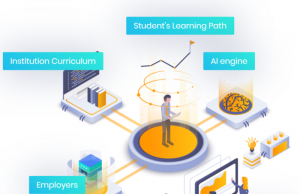
Adaptive learning platforms are a powerful tool for implementing customized learning. These platforms leverage artificial intelligence (AI) to create personalized learning experiences for each student. AI algorithms analyze individual student data, including learning styles, strengths, and areas for improvement. This data is then used to tailor content, activities, and assessments to the specific needs of each learner.
How Adaptive Learning Platforms Work
Adaptive learning platforms work through a continuous cycle of assessment, analysis, and adaptation. Here’s how it works:
- Assessment: The platform assesses the student’s knowledge and skills through quizzes, games, and other interactive activities.
- Analysis: AI algorithms analyze the student’s performance data to identify areas of strength and weakness.
- Adaptation: The platform adjusts the learning path based on the analysis, providing content and activities that are most appropriate for the student’s individual needs.
Benefits of Adaptive Learning Platforms
- Personalized Learning Journeys: Adaptive learning platforms provide each student with a unique and personalized learning path.
- Real-Time Feedback: Students receive immediate feedback on their progress, helping them identify areas for improvement and stay on track.
- Data-Driven Insights: Adaptive learning platforms provide teachers with valuable data on student progress, allowing them to make informed decisions about instruction.
Conclusion
Customized learning is transforming education, empowering learners with personalized pathways to success. Adaptive learning platforms are a powerful tool for implementing customized learning, leveraging AI to create personalized and engaging learning experiences for each student. By embracing customized learning, we can create a learner-centric educational system that unlocks the potential of every student.
Secondary Keywords
Adaptive Learning, Personalized Education, Data-Driven Instruction, Student-Centered Learning, AI in Education