**Mindfulness Meditation: A Path to Serenity and Stress Relief**
====== Mindfulness meditation ====== is a powerful practice that has been proven to have profound benefits for stress management. In this comprehensive guide, we will delve into the world of mindfulness meditation, exploring its benefits, techniques, and how it can help you navigate the challenges of stress, including stress while studying.
**What is Mindfulness Meditation?**
Mindfulness meditation is a practice that involves bringing your attention to the present moment without judgment. It encourages you to observe your thoughts, feelings, and bodily sensations objectively, allowing you to gain a deeper understanding of yourself and your experiences.
**Benefits of Mindfulness Meditation for Stress Management**
Mindfulness meditation offers a myriad of benefits for stress management, including:
- Reduced Stress and Anxiety: Mindfulness meditation has been shown to reduce levels of the stress hormone cortisol and increase feelings of calmness and serenity.
- Improved Emotional Regulation: Mindfulness meditation helps you develop emotional regulation skills, allowing you to respond to stressful situations with greater balance and control.
- Increased Focus and Concentration: Mindfulness meditation improves your ability to focus and concentrate, reducing distractions and enhancing your productivity.
- Improved Sleep Quality: Mindfulness meditation can help you relax and fall asleep more easily, promoting restful and restorative sleep.
- Greater Self-Awareness: Mindfulness meditation fosters greater self-awareness, enabling you to identify and address the root causes of stress in your life.
**How to Practice Mindfulness Meditation**
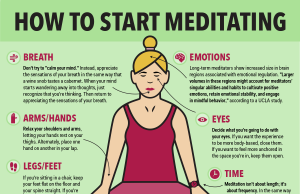
Practicing mindfulness meditation is simple and straightforward. Here are some steps to get you started:
- Find a Quiet Spot: Choose a quiet and comfortable place where you can sit or lie down without distractions.
- Set a Timer: Start with a short meditation session, such as 5 or 10 minutes. Gradually increase the duration as you become more comfortable.
- Focus on Your Breath: Begin by paying attention to your breath. Notice the rise and fall of your chest as you inhale and exhale.
- Observe Your Thoughts: As you focus on your breath, your mind will wander. When you notice this happening, gently bring your attention back to your breath without judgment.
- Expand Your Awareness: Gradually expand your awareness to include other sensations in your body, such as the feeling of your feet on the floor or the warmth of your hands.
- Practice Regularly: Consistency is key to reaping the benefits of mindfulness meditation. Aim to practice for at least 10 minutes each day.
**Mindfulness Meditation for Stress Management in Studying**
Stress while studying is a common problem that can hinder academic performance. Mindfulness meditation can help you manage stress while studying by:
- Reducing Test Anxiety: Mindfulness meditation can help you overcome test anxiety by calming your nerves and improving your focus during exams.
- Improving Concentration: Mindfulness meditation enhances your ability to concentrate, allowing you to stay focused on your studies for longer periods.
- Boosting Memory: Studies have shown that mindfulness meditation can improve memory and recall, supporting better academic performance.
- Promoting Relaxation: Mindfulness meditation can help you relax after a long day of studying, promoting better sleep and reducing stress levels.
**Conclusion**
Mindfulness meditation is a transformative practice that can empower you to manage stress, improve your overall well-being, and unlock your full potential. Whether you’re looking to reduce stress while studying or cultivate greater peace in your life, mindfulness meditation offers a path toward serenity and well-being.
Secondary Keywords:
- stress management
- mindfulness
- stress relief
- meditation
- emotional regulation