Time Management
1. Plan and Prioritize:
- Create a realistic study schedule and stick to it.
- Break down large tasks into smaller, manageable chunks.
- Prioritize tasks based on importance and urgency.
2. Use a Timer:
- Divide study sessions into intervals, e.g., 25 minutes on, 5 minutes break (Pomodoro Technique).
- Use a timer to ensure you stay focused and avoid distractions.
3. Eliminate Distractions:
- Choose a quiet and distraction-free study environment.
- Turn off notifications, put away electronic devices, and avoid social media.
4. Get Enough Rest:
- Aim for 7-9 hours of quality sleep each night.
- Sleep deprivation can impair memory and focus.
Self-Assessment
1. Practice Active Recall:
- Regularly test your memory by recalling information from memory without looking at notes.
- Use flashcards, practice tests, or quiz yourself.
2. Identify Weaknesses:
- Track your progress and identify areas where you need to improve.
- Focus on understanding the concepts rather than just memorizing details.
3. Seek Feedback:
- Ask teachers, classmates, or tutors to review your work and provide feedback.
- This can help you identify errors and improve your understanding.
4. Adjust Your Approach:
- If you’re struggling with a particular concept, don’t hesitate to modify your study methods.
- Try different textbooks, videos, or online resources.
5. Reflect and Improve:
- After every exam, take time to reflect on your performance.
- Identify what worked well and what you could do better next time.
Benefits of Effective Time Management and Self-Assessment
- Reduced stress and anxiety
- Improved academic performance
- Increased confidence and self-esteem
- Enhanced problem-solving and critical thinking skills
- Better preparation for future challenges## Time Management And Self-assessment: The Keys To Exam Success
Executive Summary
With an effective time management technique and self-assessment method, you can master the ability to prioritize tasks and identify areas for improvement. This is crucial not only for exam success but also for personal and professional development, increasing productivity and efficiency. This article delves into the significance of time management and self-assessment and provides valuable strategies to enhance both.
Introduction
Time constraints are an inevitable part of student life, especially during exams. Managing time effectively and assessing one’s strengths and weaknesses can be the key difference between success and failure. This article explores the intertwined relationship between time management and self-assessment, offering a comprehensive approach to exam preparation and beyond.
FAQs
Q1. Why is Time Management Crucial for Exam Preparation?
- Allows for the efficient allocation of time for studying, revision, and test-taking.
- Reduces stress and anxiety by creating a structured and predictable schedule.
- Improves focus and concentration during study sessions.
Q2. How Does Self-Assessment Benefit Exam Preparation?
- Identifies areas of strength and weakness, guiding students towards targeted revision.
- Builds self-awareness, confidence, and motivation.
- Helps pinpoint specific areas that require additional attention.
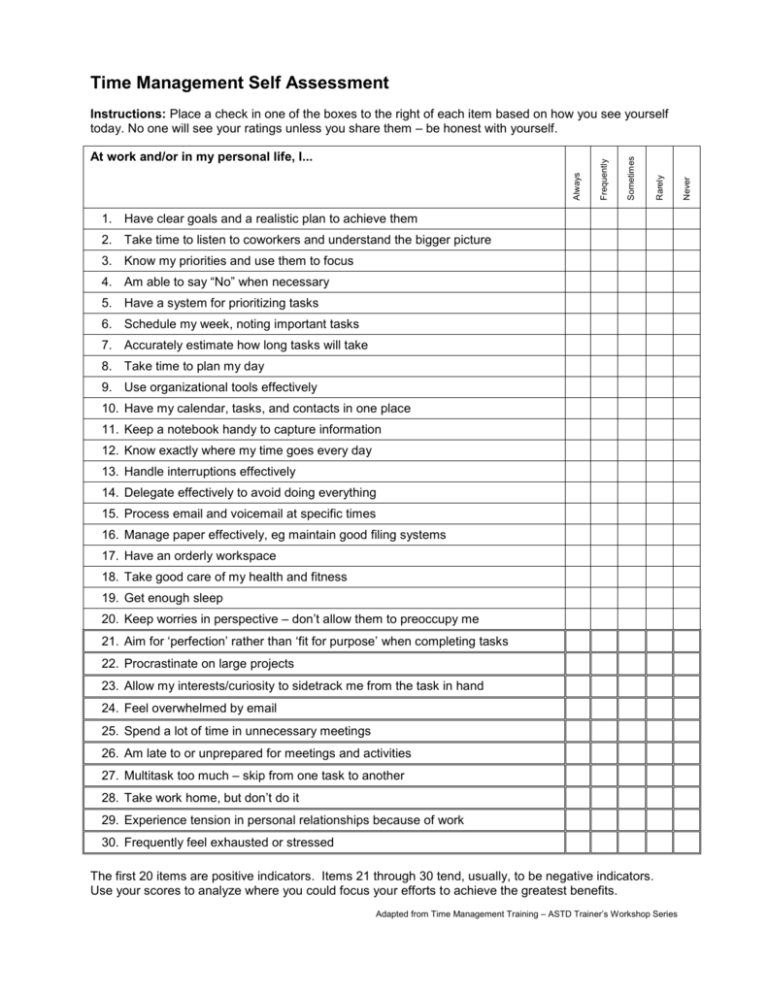
Q3. How Can I Assess My Time Management Skills Effectively?
- Track your time to identify areas where time is wasted.
- Set realistic goals and stick to them.
- Eliminate distractions during study sessions.
Time Management Strategies
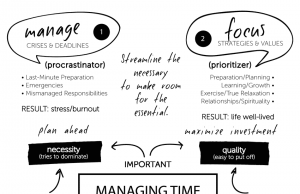
1. Prioritize Tasks:
- Categorize tasks based on importance and urgency.
- Use a to-do list or planner to keep track of assignments and due dates.
- Focus on completing the most critical tasks first.
2. Break Down Large Tasks into Smaller Ones:
- Divide challenging tasks into manageable chunks.
- Set realistic timeframes for each smaller task.
- This makes the task seem less daunting and more achievable.
3. Avoid Procrastination:
- Start working on tasks as soon as possible.
- Break tasks into smaller steps to avoid feeling overwhelmed.
- Reward yourself for completing tasks on time to stay motivated.
Self-Assessment Techniques
1. Evaluate Your Learning Process:
- Reflect on your current study methods and identify areas for improvement.
- Seek feedback from teachers or peers to gain external perspectives.
- Experiment with different study techniques to find what works best for you.
2. Assess Your Understanding:
- Regularly test yourself through practice questions, mock exams, or self-quizzing.
- Identify areas where you struggle and focus on strengthening those concepts.
- Use spaced repetition to improve long-term memory.
3. Identify Your Strengths and Weaknesses:
- Review past exam results to pinpoint areas where you excel and areas that need improvement.
- Pay attention to feedback from instructors or mentors to gain insights into your strengths and weaknesses.
- Focus on developing strategies to capitalize on your strengths and overcome your weaknesses.
Conclusion
Effective time management and self-assessment are essential for exam success and personal growth. By utilizing the principles outlined in this article, students can develop strategies to prioritize tasks, allocate time wisely, and identify areas for improvement. This systematic approach fosters a sense of organization, reduces stress, and increases confidence in test-taking situations, ultimately leading to academic success.
Keywords:
- Time Management
- Self-Assessment
- Exam Preparation
- Prioritization
- Spaced Repetition