Strategies for a Productive Work-Life Balance to Enhance Academic Performance:
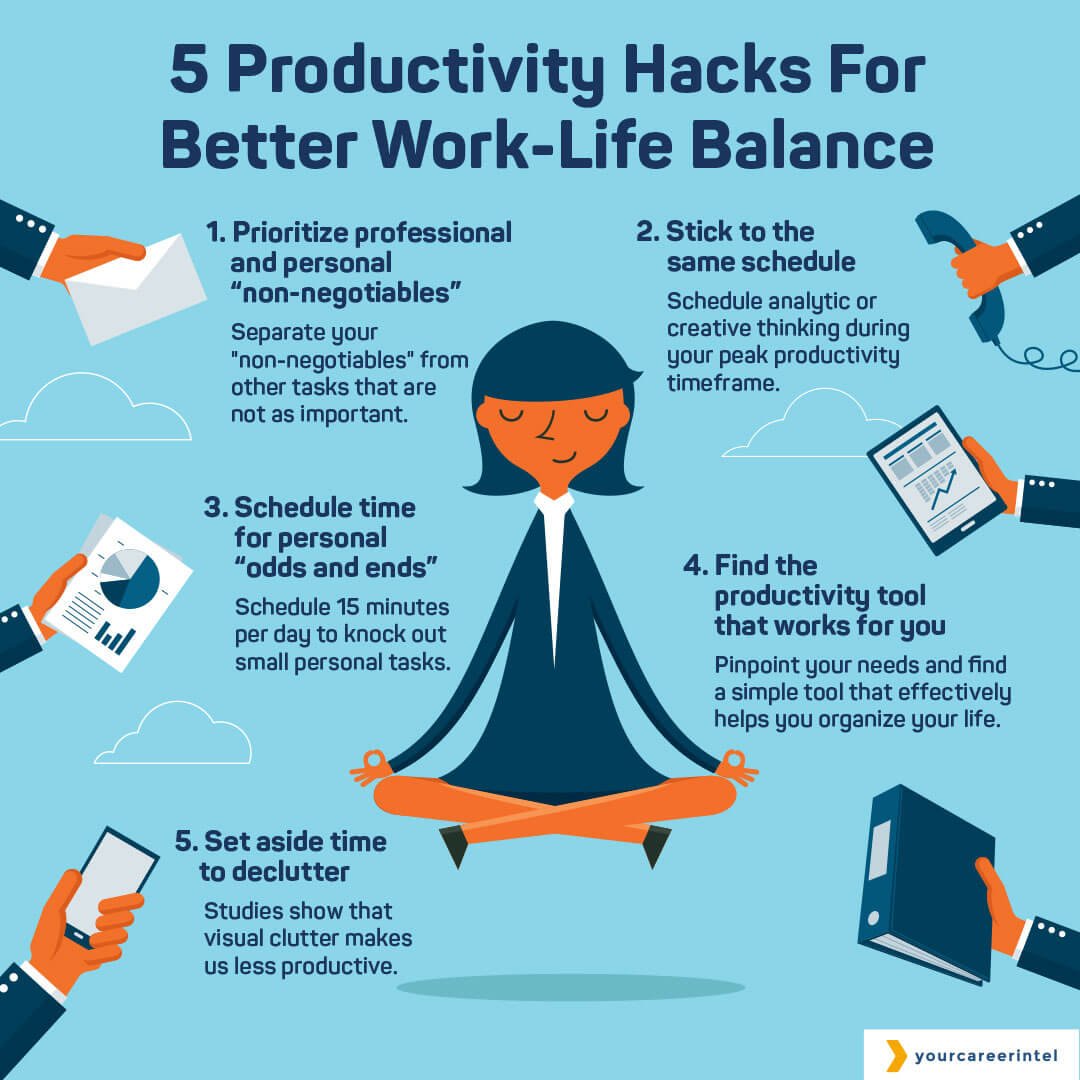
1. Establish Clear Boundaries:

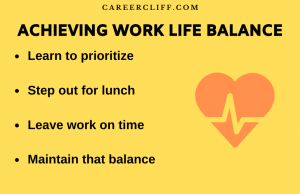
- Designate specific work hours and stick to them.
- Create a separate workspace to minimize distractions during non-work times.
- Communicate boundaries to family, friends, and colleagues.
2. Prioritize and Plan:
- Create a to-do list and rank tasks by importance.
- Break down large assignments into smaller, manageable chunks.
- Schedule time slots for work, study, breaks, and personal time.
3. Optimize Efficiency:
- Use technology to automate tasks and improve productivity.
- Delegate responsibilities to others when possible.
- Take breaks to clear your head and recharge.
4. Take Care of Your Well-being:
- Get enough sleep and maintain a healthy diet.
- Exercise regularly to reduce stress and improve focus.
- Engage in activities that bring you joy and relaxation.
5. Seek Support:
- Connect with a mentor, tutor, or study group for academic support.
- Reach out to family, friends, or a therapist for emotional support.
- Don’t hesitate to ask for help when needed.
6. Reward Yourself:
- Set small goals and reward yourself for completing them.
- Take time off to celebrate your accomplishments.
- Use rewards as motivation to stay on track.
7. Delegate and Outsource:
- Consider hiring a babysitter, tutor, or housekeeper to free up time for work and study.
- Explore meal delivery services or home-cooked meal preparation to save time on cooking.
8. Practice Self-Discipline:
- Develop a consistent daily routine and stick to it as much as possible.
- Avoid procrastination and start working on tasks promptly.
- Resist distractions and stay focused on your goals.
9. Set Realistic Expectations:
- Recognize that you can’t do everything perfectly.
- prioritize and focus on what is most important.
- Don’t compare yourself to others and set realistic goals for yourself.
10. Continuous Improvement:
- Regularly review your strategies and make adjustments as needed.
- Seek opportunities for growth and development to enhance your productivity and well-being.## Boosting Academic Performance: Strategies For A Productive Work-life Balance
Executive Summary
Academic excellence demands a delicate balance between academic pursuits and personal well-being. This article explores effective strategies to achieve a productive work-life balance, empowering students to optimize their academic performance while maintaining a fulfilling personal life.
Introduction
In today’s demanding academic landscape, students face the relentless pressure to excel. However, navigating the complexities of academic life often necessitates sacrifices in personal well-being. This article aims to provide actionable strategies that enable students to strike a harmonious balance between their academic and personal lives, fostering both academic success and personal fulfillment.
FAQs
- Q: Why is work-life balance important for students?
- A: Work-life balance promotes mental and physical well-being, reduces stress, and enhances academic focus and productivity.
- Q: What are the common challenges to achieving work-life balance?
- A: Excessive workload, competing priorities, time management difficulties, and lack of support can hinder work-life balance.
- Q: How can I improve my work-life balance?
- A: This article offers a comprehensive guide to strategies that can help you establish a productive and fulfilling work-life balance.
Subtopics
Effective Time Management
- Establish clear priorities: Identify the most important tasks and allocate time accordingly.
- Create a structured schedule: Plan your day and week to include time for academic tasks, personal activities, and breaks.
- Use technology wisely: Leverage calendar apps, to-do lists, and time-tracking tools to enhance productivity.
- Learn to say no: Politely decline additional responsibilities or commitments that conflict with your schedule.
- Delegate tasks: When possible, delegate non-essential tasks to others to free up your time.
Physical and Mental Well-being
- Prioritize physical activity: Exercise regularly to reduce stress, improve focus, and boost energy levels.
- Cultivate healthy sleep habits: Establish a regular sleep schedule and aim for 7-9 hours of quality sleep per night.
- Practice mindfulness: Engage in activities like meditation or deep breathing to manage stress and enhance focus.
- Seek support when needed: Don’t hesitate to reach out to friends, family, teachers, or a counselor for support and guidance.
- Take breaks: Schedule regular breaks throughout your day to step away from work and recharge.
Social Connections
- Maintain meaningful relationships: Nurture relationships with friends, family, and classmates for emotional support and a sense of belonging.
- Participate in social activities: Engage in activities that bring you joy, whether it’s joining a club, volunteering, or simply spending time with loved ones.
- Set boundaries: Establish clear boundaries between work and personal time to avoid overwhelming yourself.
- Learn to socialize effectively: Use breaks and social events to connect with others and reduce feelings of isolation.
- Seek out social support: Join study groups, participate in class discussions, or attend social gatherings to expand your network.
Goal Setting
- Set realistic goals: Establish achievable goals that challenge you without overwhelming you.
- Break down large goals: Divide complex tasks into smaller, manageable chunks to avoid procrastination.
- Track your progress: Monitor your progress towards your goals to stay motivated and make adjustments as needed.
- Reward your accomplishments: Acknowledge and reward yourself for completing tasks to maintain motivation.
- Re-evaluate your goals: Periodically review your goals and adjust them as your circumstances or priorities change.
Self-Care and Motivation
- Practice self-care: Engage in activities that promote your physical, mental, and emotional well-being.
- Identify your motivation: Understand what drives you to achieve academic success and use this to stay motivated.
- Cultivate resilience: Develop the ability to bounce back from setbacks and maintain a positive outlook.
- Celebrate your successes: Acknowledge and appreciate your accomplishments, big or small, to boost your confidence.
- Seek inspiration: Surround yourself with positive and inspiring people or materials to stay motivated and focused.
Conclusion
Navigating the demanding world of academia requires a harmonious balance between academic excellence and personal well-being. By implementing the strategies outlined in this article, students can effectively manage their time, prioritize their physical and mental health, cultivate meaningful connections, establish clear goals, and practice self-care. These strategies empower students to unlock their full academic potential while maintaining a fulfilling and balanced life. By embracing a holistic approach to work-life balance, students can achieve academic success without sacrificing their personal well-being.
Relevant Keyword Tags:
- Work-life balance
- Academic performance
- Time management
- Goal setting
- Self-care