Unlocking Academic Success: The Power of Active Recall Techniques

Introduction
Active recall is a powerful study technique that involves actively retrieving information from memory. Unlike passive learning methods like rereading or highlighting, active recall forces the brain to work harder, leading to better retention and understanding.
Mechanism of Active Recall
Active recall works by creating a retrieval cue in your brain. When you try to recall information without looking at your notes, your brain is forced to search for the information and reconstruct it. This process strengthens the neural pathways associated with the information, making it easier to remember later.
Benefits of Active Recall
- Improved Long-Term Retention: Active recall leads to a deeper and more durable understanding of the material. By repeatedly retrieving information, you make it more resistant to forgetting.
- Better Comprehension: Active recall encourages you to think critically about the material and make connections between different concepts. This leads to a deeper understanding of the subject matter.
- Time-Efficient: Active recall is surprisingly time-efficient. Instead of spending hours rereading your notes, you can use a fraction of the time actively recalling the information.
- Reduced Anxiety: Active recall helps reduce test anxiety by giving you a sense of mastery over the material. Knowing that you can recall the information confidently boosts your self-confidence.
Types of Active Recall Techniques
Self-Testing Techniques:
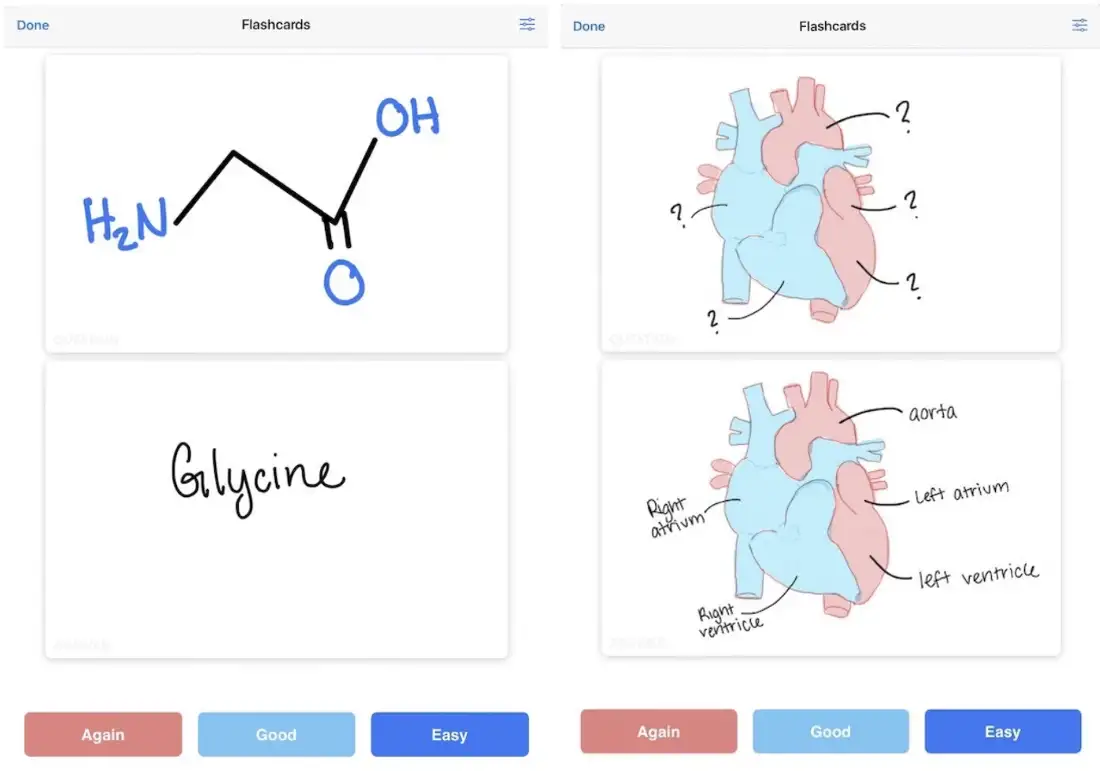
- Flashcards: Create flashcards with questions on one side and answers on the other. Regular testing with flashcards forces you to actively recall the information.
- Quizzes and Practice Questions: Take practice quizzes or complete practice questions to test your understanding.
Retrieval Techniques:
- Free Recall: Try to recall information from memory without any cues. This is the most challenging but also the most effective technique.
- Cued Recall: Use a cue or prompt to help you recall the information. For example, you could recall a list of items by starting with the first letter of each item.
Spaced Repetition:
- Spaced Repetition Software: Use software like Anki or SuperMemo to space out your practice sessions. This ensures that the information is repeatedly recalled at optimal intervals, further strengthening its memory trace.
How to Implement Active Recall
- Regular Practice: Make active recall a regular part of your study routine. Set aside specific times for practicing recall techniques.
- Start with Smaller Chunks: Don’t try to recall too much information at once. Break down the material into smaller chunks and focus on recalling one chunk at a time.
- Challenge Yourself: Don’t be afraid to challenge yourself with difficult questions. Struggle with recall is necessary for growth and retention.
- Reflect and Revise: After trying to recall information, take a moment to reflect on what you remembered and what you forgot. This will help you identify areas that need additional attention.
Conclusion
Active recall is an invaluable tool for unlocking academic success. By embracing these techniques, students can significantly improve their retention, comprehension, and confidence, ultimately leading to greater academic achievements.## Unlocking Academic Success: The Power Of Active Recall Techniques
Executive Summary
Active recall techniques are powerful learning strategies that can significantly enhance academic performance. By actively retrieving information from memory, students strengthen neural pathways and improve long-term retention. This article delves into the key principles of active recall, its benefits, and practical ways to incorporate these techniques into your study routines.
Introduction
Achieving academic success requires not only diligent studying but also effective learning strategies. Among the most transformative tools in a student’s arsenal are active recall techniques. Unlike passive memorization, active recall forces the brain to recall information from memory, strengthening neural connections and facilitating long-term retention.
FAQs
1. What is active recall?
Active recall involves actively retrieving information from memory without relying on notes or external resources. This can be done through various methods, such as testing oneself, writing from memory, or explaining concepts to someone else.
2. Why is active recall so effective?
Active recall forces the brain to work harder to recover information, which makes the memories stronger. Repeatedly retrieving information also helps to improve retrieval speed and accuracy.
3. How can I incorporate active recall into my studies?
There are many ways to practice active recall. Some common methods include:
- Regularly testing oneself with flashcards or quizzes
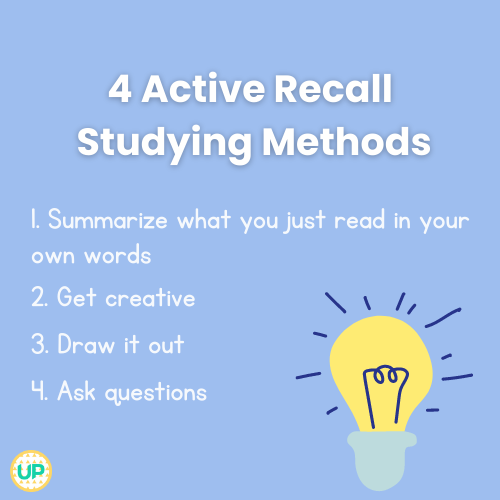
- Writing down key concepts from memory
- Explaining concepts to a classmate or study buddy
- Creating concept maps or diagrams from memory
Top 5 Subtopics in Active Recall Techniques
1. Spaced Repetition
- Involves reviewing material at increasing intervals (e.g., 10 minutes, 1 day, 1 week).
- Helps to prevent forgetting by repeatedly strengthening memories.
- Can be implemented through digital flashcards or spaced repetition software.
2. Interleaving
- Involves mixing up different subjects or topics while studying.
- Prevents boredom and improves memory retention by forcing the brain to discriminate between different concepts.
- Example: Studying math and history in alternating sessions instead of dedicating separate blocks to each subject.
3. Elaboration
- Involves connecting new information to existing knowledge and personal experiences.
- Strengthens memories by creating multiple pathways for retrieval.
- Example: Relate a historical event to a similar event in your own life or to another concept you know well.
4. Self-Explanation
- Involves explaining concepts to oneself in one’s own words.
- Forces the brain to organize and clarify information, improving understanding and retention.
- Can be done through writing, speaking, or teaching the concept to someone else.
5. Retrieval Practice
- Simply refers to the act of actively recalling information from memory.
- The more you practice retrieving information, the stronger the memories become.
- Regular testing and quizzes are common forms of retrieval practice.
Conclusion
Active recall techniques are essential tools for academic success. By actively retrieving information from memory, students can significantly improve retention, reduce forgetting, and enhance their overall understanding. Implementing these techniques into your study routines can unlock your full academic potential and pave the way for exceptional results.
Relevant Keyword Tags
- Active Recall
- Spaced Repetition
- Interleaving
- Elaboration
- Retrieval Practice