Effective Study Habits for Online Learning
1. Establish a Dedicated Study Space:

- Find a quiet and distraction-free area to designate as your study zone.
- Ensure it has adequate lighting, comfortable seating, and necessary resources.
2. Create a Study Schedule:
- Plan specific times for studying and stick to them as much as possible.
- Break down large assignments into smaller chunks to avoid feeling overwhelmed.
- Use a calendar or planner to track your study sessions.
3. Active Learning:
- Engage with the material beyond simply reading it.
- Take notes, ask questions, participate in online discussions, and summarize concepts.
- Use flashcards, diagrams, or other tools to reinforce understanding.
4. Leverage Technology:
- Utilize online learning platforms, like Moodle or Blackboard, to access course materials and engage with instructors.
- Use apps or tools for note-taking, task management, and virtual study sessions.
5. Practice Time Management:
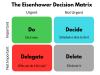
- Prioritize tasks based on urgency and importance.
- Use the Pomodoro Technique or time blocking to stay focused and avoid distractions.
- Take breaks regularly to refresh your mind.
6. Seek Support and Clarification:
- Reach out to instructors or classmates via email, discussion forums, or video conferencing.
- Don’t hesitate to ask questions and clarify concepts.
7. Utilize Virtual Study Groups:
- Join online study groups or connect with classmates to collaborate on assignments and share ideas.
- This provides peer support and enhances understanding.
8. Take Practice Tests and Assessments:
- Regularly assess your understanding by taking practice tests or quizzes.
- This helps identify areas for improvement and boosts confidence.
9. Take Breaks:
- Short breaks at regular intervals can help maintain focus and prevent burnout.
- Step away from the screen, stretch, or engage in a relaxing activity.
10. Reward Yourself:
- Acknowledge your accomplishments by setting small rewards for completing study goals.
- This provides motivation and makes studying more enjoyable.
Additional Tips:
- Minimize distractions: Turn off notifications, use noise-canceling headphones, or create a distraction-free zone.
- Set clear boundaries: Communicate with family or housemates to minimize interruptions during study sessions.
- Get enough sleep: Sleep deprivation can impair cognitive function and make studying less effective.
- Take care of your mental well-being: Engage in stress-reducing activities, connect with loved ones, and prioritize self-care.## How To Develop Effective Study Habits For Online Learning
Executive Summary
Developing effective study habits is essential for success in online learning. This article presents key subtopics and their essential components to assist learners in establishing a solid foundation for effective studying.
Introduction
Online learning offers flexibility and convenience, but it also demands self-discipline and effective study habits. By understanding the key components of successful study habits, learners can maximize their online learning experience and achieve their academic goals.
FAQ
Q1. Why is time management important in online learning?
Q2. How can I overcome distractions during online study sessions?
Q3. Is it necessary to create a dedicated study space for online learning?
Top 5 Subtopics
1. Time Management
- Break down large tasks into smaller chunks: Divide assignments into manageable portions to avoid feeling overwhelmed.
- Set realistic study goals: Determine specific time slots for study and stick to them as much as possible.
- Use a planner or calendar: Schedule study sessions, breaks, and assignment deadlines to stay organized.
- Prioritize tasks: Focus on the most important assignments first to ensure timely completion.
2. Active Participation
- Engage in discussion forums: Participate actively in online discussions to clarify concepts and connect with peers.
- Take notes during live sessions: Summarize key points and ask questions for better comprehension.
- Complete assignments promptly: Submit assignments on time to demonstrate engagement and understanding.
- Seek help when needed: Don’t hesitate to reach out to instructors, classmates, or academic support services for assistance.
3. Distraction Reduction
- Identify and minimize distractions: Determine potential distractions during study sessions, such as social media or noise, and find ways to eliminate or reduce them.
- Use focused study techniques: Try the Pomodoro Technique or other methods to break up study sessions with short breaks to maintain focus.
- Create a dedicated study space: Establish a specific area for studying away from common distractions.
- Communicate with family or roommates: Inform others of your study times and request their cooperation in minimizing distractions.
4. Motivation and Self-Discipline
- Set clear learning goals: Identify your reasons for taking the course and establish specific, measurable objectives.
- Reward yourself for progress: Celebrate achievements, big or small, to stay motivated and on track.
- Join study groups: Collaborate with peers to provide encouragement, share insights, and hold each other accountable.
- Practice self-reflection: Regularly evaluate your progress and make adjustments to your study routines as needed.
5. Note-Taking and Review
- Effective note-taking techniques: Use active note-taking strategies, such as Cornell or outline methods, to capture key concepts.
- Regular review of notes: Schedule time to review your notes and reinforce learning through active recall.
- Use highlighters or flashcards: Emphasize important information and create cues for easier memorization.
- Utilize technology: Explore note-taking apps or software to enhance organization and access notes anytime, anywhere.
Conclusion
Developing effective study habits is crucial for success in online learning. By implementing the strategies outlined in the subtopics of time management, active participation, distraction reduction, motivation and self-discipline, and note-taking and review, learners can establish a solid foundation for effective studying. Remember, consistency, perseverance, and a growth mindset are key to achieving your academic goals through online learning.
Keyword Tags
- Online learning
- Study habits
- Time management
- Active participation
- Motivation