The Science of Note-taking
Note-taking is a fundamental learning strategy that aids in retaining and comprehending information. It involves actively engaging with the material by summarizing, analyzing, and synthesizing key ideas.

Memory Encoding and Retrieval

- Active Recall: Note-taking requires students to recall information from memory, which strengthens neural connections and improves retention.
- Spacing Effect: Regular review and spaced repetition of notes helps strengthen memories over time.
- Interleaving: Incorporating different subjects or topics into note-taking sessions improves memory consolidation.
Cognitive Processing and Comprehension
- Selective Attention: Note-taking forces students to focus on relevant information and disregard distractions.
- Elaboration and Synthesis: Summarizing and interpreting information in notes helps students deepen their understanding of the material.
- Organization and Structure: Notes provide a structured framework that facilitates retrieval and comprehension.
Types of Note-taking Techniques
- Cornell Method: Divides notes into three sections: notes, cues, and summary.
- Outline Method: Uses hierarchical organization to represent ideas in a logical structure.
- Sketchnoting: Combines visual elements and text to create a more engaging and memorable experience.
- Digital Note-taking: Utilizes apps or software for note-taking, offering features like search, tagging, and sharing.
Best Practices for Effective Note-taking
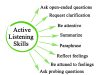
- Active Listening and Engagement: Focus on understanding the material while taking notes.
- Summarize and Paraphrase: Use your own words to convey the main ideas.
- Organize and Structure: Use headings, subheadings, and bullet points to create a logical flow.
- Use Visual Aids: Incorporate sketches, diagrams, and mind maps to enhance comprehension.
- Review and Rehearse: Regularly review and revisit notes to reinforce memory and deepen understanding.
Impact on Learning Outcomes
Research has consistently shown that effective note-taking improves:
- Memory Retention: Students who take notes recall information better than those who do not.
- Comprehension: Notes help students develop a deeper understanding of the material.
- Test Performance: Students with good note-taking skills tend to perform better on tests.
- Critical Thinking: Note-taking requires students to analyze, interpret, and synthesize information.
- Metacognition: By reviewing notes, students can reflect on their learning and identify areas for improvement.
Conclusion
Note-taking is an essential learning strategy that enhances memory, comprehension, and critical thinking skills. By understanding the science behind note-taking and implementing effective techniques, students can maximize their learning outcomes and achieve academic success.## The Science Behind Note-taking: Enhancing Retention And Comprehension
Executive Summary
Note-taking is a fundamental learning strategy that has been shown to improve retention and comprehension. By actively engaging with the material, students can strengthen their understanding and recall of information. This article explores the scientific basis behind note-taking, providing practical tips and techniques to optimize its effectiveness.
Introduction
In the realm of education, note-taking stands as an indispensable tool for maximizing learning outcomes. It is a process that transforms passive listening into an active engagement with the material, facilitating a deeper understanding and facilitating better recall.
FAQs
1. Why is note-taking important?
Note-taking helps improve retention, provides a record for review, and promotes engagement with the material.
2. How can I take effective notes?
Use concise language, organize notes logically, use visual cues and symbols, and review them regularly.
3. What are the different types of note-taking methods?
Popular methods include the Cornell Method, the Outline Method, and the Sketchnoting Method.
Subtopics in Note-taking
Active Processing: Encoding and Retrieval
- Selective Attention: Focus on key concepts and prioritize information.
- Elaboration: Connect new information to existing knowledge to enhance understanding.
- Retrieval Practice: Regularly revisit and test oneself on the material to strengthen retention.
Organization and Structure
- Outlining: Create a hierarchical structure to organize ideas and relationships.
- Clustering: Group related ideas together to form thematic units.
- Visual Cues: Use colors, symbols, and diagrams to enhance visual appeal and recall.
- Spatial Organization: Utilize space effectively to create a logical and visually appealing layout.
Cognitive Load Theory and Note-taking
- Intrinsic Cognitive Load: Inherent complexity of the material.
- Extraneous Cognitive Load: Unnecessary distractions or difficulties in presenting the material.
- Germane Cognitive Load: Cognitive effort invested in understanding and applying the information.
- Minimizing Extraneous Load: Use effective note-taking techniques to reduce distractions and cognitive overload.
Neuroplasticity and Long-Term Memory
- Synaptic Plasticity: Changes in the strength of connections between neurons.
- Long-Term Potentiation (LTP): Strengthening of synaptic connections through repeated stimulation.
- Note-taking as a Form of Retrieval Practice: Repeated review and retrieval of information reinforces neural pathways and promotes LTP, leading to long-term memory formation.
Digital Note-taking
- Benefits: Accessibility, ease of organization, search functionality.
- Considerations: Potential distractions, lack of tactile feedback.
- Cognitive Effects: Similar to traditional note-taking methods, but may impact writing fluency and spatial processing.
Conclusion
Note-taking is a powerful learning tool that can significantly enhance retention and comprehension. By understanding the scientific principles behind note-taking, students can develop effective strategies to maximize their learning potential. The various techniques and principles discussed in this article provide a framework for optimizing note-taking to achieve academic success and lifelong learning.
Keyword Tags
- Note-taking
- Retention
- Comprehension
- Cognitive Processing
- Learning Strategies