
Tips for Saying No Effectively
1. Understand Your Boundaries:
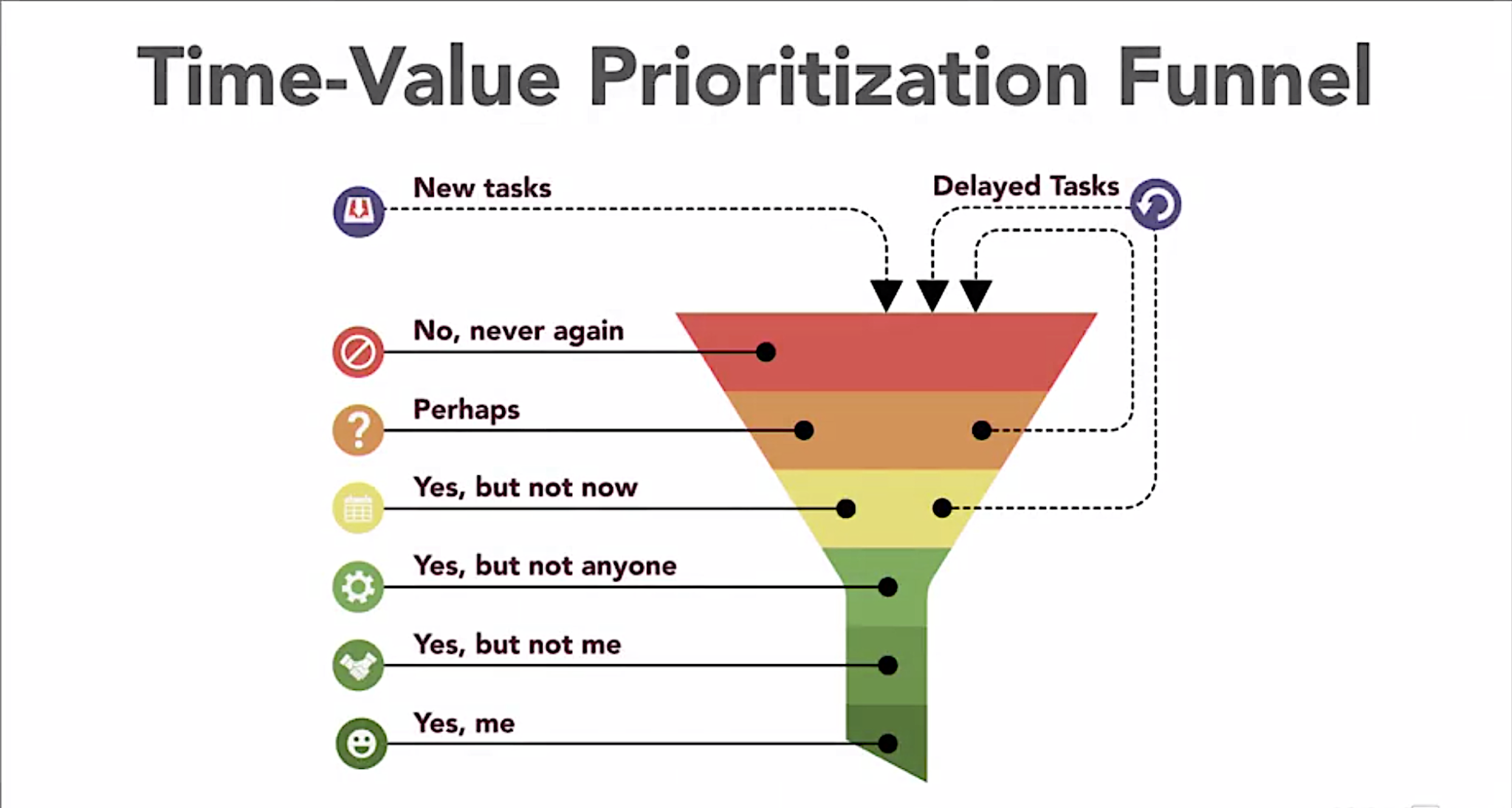
- Identify what you’re comfortable with and what you’re not.
- Be aware of your limitations and don’t overcommit.
2. Be Assertive and Direct:

- Say “no” clearly and confidently.
- Avoid using vague terms like “maybe” or “I’ll try.”
- Explain your reasons briefly, if necessary.
3. Set Clear Expectations:
- Let others know that you have a limited schedule or prioritize certain tasks.
- Set boundaries regarding availability and communication.
4. Offer Alternatives, When Possible:
- If you can’t do something, suggest alternative solutions or referrals.
- Show that you’re willing to be helpful, but within your limits.
5. Be Kind and Empathetic:
- Understand that people may be disappointed when you say no.
- Be polite and respectful, even if you’re not able to help.
6. Practice Saying No:
- Role-play scenarios where you have to say no.
- The more you practice, the more confident you’ll become.
7. Protect Your Time and Energy:
- Prioritize tasks that are important to you.
- Delegate or say no to tasks that drain your energy.
- Protect your personal time for rest and relaxation.
8. Don’t Feel Guilty:
- Saying no is not selfish. It’s about protecting your time and well-being.
- Don’t allow others to make you feel guilty for setting boundaries.
9. Be Consistent:
- Stick to your decisions and don’t make exceptions.
- The more consistent you are, the more people will respect your boundaries.
10. Evaluate and Adjust:
- Regularly review your boundaries and make adjustments as needed.
- As your priorities and circumstances change, so should your approach to saying no.## How To Say No Effectively: Tips For Prioritizing Your Time And Energy
Executive Summary
In today’s fast-paced world, it has become increasingly difficult to manage one’s time and energy effectively. One of the most important skills for achieving this is the ability to say no to non-essential commitments and requests. By mastering the art of saying no, individuals can prioritize their time, reduce stress, and enhance their overall well-being. This article provides a comprehensive guide to saying no effectively, including practical tips, common challenges, and the benefits of setting boundaries.
Introduction
Learning to say no can be a transformative skill, empowering individuals to take control of their time and energy. It allows them to focus on what matters most, reduce stress, and improve their overall quality of life. By understanding the importance of saying no and adopting effective strategies, individuals can overcome the challenges associated with setting boundaries and reap the numerous benefits that come with it.
FAQs
Why is it so difficult to say no?
- Fear of disappointing others
- Feeling obligated or guilty
- Lack of assertiveness
- Social conditioning
What are some of the benefits of saying no?
- Increased control over time and energy
- Reduced stress and overwhelm
- Greater focus and productivity
- Improved self-esteem and confidence
- Stronger relationships (built on honesty and respect)
How can I say no more effectively?
- Use polite and respectful language
- Express appreciation for the offer or request
- Explain your reasons clearly and briefly
- Offer alternatives or solutions if possible
- Be firm but empathetic
Top 5 Subtopics For Saying No Effectively
1. Understanding Your Value
Saying no effectively begins with recognizing and valuing your own time, energy, and commitments. When you understand your worth, you can confidently set boundaries and prioritize tasks that align with your goals and values.
- Prioritize your goals: Identify your most important goals and align your commitments accordingly.
- Recognize your limits: Acknowledge your capacity and avoid overcommitting.
- Protect your energy: Value your time and avoid activities that drain you.
- Set clear boundaries: Communicate your availability and limits to others.
2. Communicating Your Decision
Once you have decided to say no, it is essential to communicate your decision clearly and respectfully. Be polite and direct, while also expressing appreciation for the offer or request.
- Be clear and direct: Use polite but firm language to convey your decision.
- Explain your reasons briefly: Provide a brief explanation for saying no, without going into excessive detail.
- Offer alternatives if possible: Suggest alternative solutions or options if appropriate.
- Be empathetic: Acknowledge the other person’s feelings and show understanding.
3. Handling Pressure
When you say no, you may encounter pressure or persuasion from others. It is important to remain firm in your decision while handling the situation with grace and empathy.
- Stay calm and composed: Maintain a calm and respectful demeanor, even under pressure.
- Reiterate your decision: Clearly restate your decision and the reasons for it.
- Set boundaries: Politely but firmly inform others that you will not be changing your decision.
- Offer support: Provide support and understanding to the person requesting your help, without compromising your boundaries.
4. Overcoming Guilt and Disappointment
Saying no can sometimes lead to feelings of guilt or disappointment. It is important to address these feelings and overcome them in a healthy way.
- Challenge negative thoughts: Recognize and challenge negative thoughts that make you feel guilty.
- Prioritize your own needs: Remember that it is okay to put your own needs first.
- Practice self-compassion: Treat yourself with kindness and understanding, even if you make mistakes.
- Learn from the experience: Reflect on the situation and identify areas for improvement in your communication.
5. Building Confidence
Saying no effectively requires confidence and assertiveness. Building confidence in this area will help you to set boundaries and prioritize your time and energy with ease.
- Practice saying no: Start practicing saying no in low-stakes situations.
- Start small: Begin by saying no to small requests or commitments.
- Be patient: Building confidence takes time and effort, so be patient with yourself.
- Seek support: Consider working with a therapist or coach to develop assertiveness skills.
Conclusion
Mastering the art of saying no is crucial for prioritizing your time and energy, reducing stress, and improving your overall well-being. By understanding your value, communicating your decision effectively, handling pressure with grace, overcoming guilt and disappointment, and building confidence, you can effectively set boundaries and live a more fulfilling life. Remember, saying no is not about being selfish or unkind, but rather about respecting your own needs and making choices that align with your goals and values.
Keyword Tags
- Effective Communication
- Time Management
- Assertiveness
- Personal Boundaries
- Prioritizing