====== motivation ======
Unlock Your Potential: The Ultimate Guide to Motivation
Are you struggling to stay motivated and achieve your goals? You’re not alone. Many people face challenges with motivation and self-discipline. But don’t worry—with the right strategies, you can overcome these obstacles and ignite your inner drive.
In this comprehensive guide, we’ll delve into the intricacies of motivation, exploring proven techniques to help you:
- Understand the neuroscience behind motivation
- Identify and address common motivational roadblocks
- Develop effective study habits and time management skills
- Overcome procrastination and stay on track
- Set realistic goals and stay motivated in the long run
- Harness the power of positive thinking and accountability partners
- Maximize your study time and boost your academic performance
Whether you’re a student, professional, or anyone seeking to cultivate greater motivation, this guide will provide you with the tools and insights you need to achieve your full potential.
The Science of Motivation
Motivation is a complex process involving various psychological and biological factors. Understanding how your brain works can help you leverage its strengths and overcome its limitations.
- Dopamine: This neurotransmitter is released when we experience pleasure or rewards, creating a sense of satisfaction that reinforces our behaviors.
- Serotonin: This neurotransmitter is associated with a sense of well-being and self-confidence, boosting our motivation to pursue our goals.
- Cortisol: This stress hormone can have negative effects on motivation if it remains elevated for too long.
Common Motivational Roadblocks
Identifying and addressing common motivational roadblocks can help you overcome them and stay focused.
- Fear of failure: We may avoid tasks due to anxiety or a belief that we’re not capable enough.
- Lack of clear goals: When we’re unclear about what we want to achieve, it’s difficult to stay motivated.
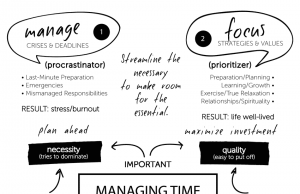
- Procrastination: We may delay tasks due to avoidance or a lack of self-control.
- Negative self-talk: Our inner critic can undermine our motivation by making us doubt ourselves.
Effective Study Habits and Time Management
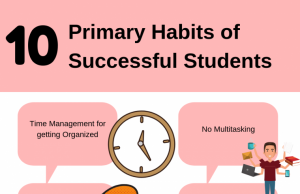
For students, effective study habits and time management are essential for success.
- Set realistic study goals: Break down large tasks into smaller, manageable chunks to avoid feeling overwhelmed.
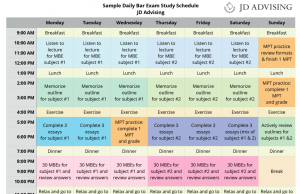
- Create a study schedule: Allocate specific time slots for studying and stick to them as much as possible.
- Use active learning techniques: Engage with the material through note-taking, flashcards, and discussing it with peers.
- Take breaks: Regular breaks can help you stay focused and refreshed, preventing burnout and improving retention.
- Reward yourself: Acknowledge your progress and accomplishments to maintain motivation.
Overcoming Procrastination
Procrastination is a major obstacle to achieving our goals.
- Identify your triggers: Understand what situations or emotions lead you to procrastinate.
- Set clear deadlines: Establish specific deadlines for tasks and hold yourself accountable.
- Divide large tasks: Break down overwhelming tasks into smaller, more manageable steps.
- Reward yourself for staying on track: Incentivize yourself for completing tasks to stay motivated.
- Eliminate distractions: Create a distraction-free environment where you can focus on your work.
Staying Motivated for Long-Term Goals
Achieving long-term goals requires sustained motivation and perseverance.
- Visualize your goal: Paint a vivid picture of what you want to achieve and the positive impact it will have.
- Break down your goal: Divide your long-term goal into smaller, achievable milestones.
- Celebrate progress: Acknowledge and reward your successes along the way.
- Stay positive: Maintain a positive mindset and believe in your ability to achieve your goal.
- Find a support system: Surround yourself with people who believe in you and support your efforts.
The Power of Positive Thinking
Positive thinking can have a profound impact on your motivation.
- Reframe negative thoughts: Challenge negative thoughts and replace them with positive ones.
- Focus on the positive: Pay attention to the aspects of your goals that motivate you.
- Use affirmations: Repeat positive statements about yourself and your abilities to boost your self-confidence.
- Visualize success: See yourself achieving your goals and feeling the positive emotions associated with them.
- Surround yourself with positivity: Spend time with people who uplift and inspire you.
Accountability Partners
Accountability partners can provide valuable support and motivation.
- Find a partner who shares your goals: Choose someone who is working towards similar or complementary goals.
- Set clear expectations: Establish the frequency of check-ins and the level of accountability desired.
- Provide regular updates: Keep your partner informed about your progress and any challenges you face.
- Offer support and encouragement: Be there for your partner when they need it and celebrate their successes.
- Hold each other accountable: Remind your partner of their goals and encourage them to stay on track.
Secondary Keywords:
motivation, study habits, time management, procrastination, goal setting, positive thinking, accountability partners, academic success, education, self-discipline, productivity