10 Study Habits That Will Transform Your Academic Performance
The road to academic success is paved with effective study habits. Students who master these habits excel in their classes, achieve higher grades, and develop a strong foundation for lifelong learning. In this comprehensive guide, we delve into the essential study habits that every student needs to know to unlock their academic potential.
Why Study Habits Matter
Effective study habits are the cornerstone of academic success. They help students:
- Retain information: By engaging with the material in a meaningful way, students strengthen their understanding and improve their long-term memory.
- Boost comprehension: Active studying techniques, such as taking notes and summarizing, enhance students’ ability to grasp complex concepts.
- Manage time effectively: Good study habits help students prioritize tasks, allocate their time wisely, and avoid procrastination.
- Reduce stress: A well-organized and structured study routine can significantly reduce stress levels during exam preparation and performance.
- Develop critical thinking skills: Study habits that encourage analysis, evaluation, and synthesis nurture students’ critical thinking abilities, which are essential for success in higher education and beyond.
Essential Study Habits
1. Active Reading:
Engage with your textbooks and lecture notes by highlighting key points, annotating margins, and summarizing paragraphs. This active approach enhances comprehension and retention.
2. Spaced Repetition:
Review your notes and materials at regular intervals to strengthen memory. By spacing out your study sessions, you force your brain to recall information, improving long-term retention.
3. Retrieval Practice:
Test yourself on the material without looking at your notes. This forces your brain to work harder, identifying areas where you need to focus your efforts. Use flashcards, quizzes, or online tools for effective retrieval practice.
4. Active Recall:
Similar to retrieval practice, active recall involves recalling information from memory without using any prompts. This challenges your brain and improves your ability to apply and understand concepts.
5. Elaboration:
Connect new information to your existing knowledge and experiences. Explain concepts in your own words, create analogies, or draw diagrams to strengthen your understanding.
6. Interleaving:
Mix up different subjects or topics during your study sessions instead of focusing on one subject for an extended period. This helps you retain information better and improves your ability to switch between concepts.
7. Pomodoro Technique:
Alternate between focused study sessions and short breaks following the Pomodoro Technique. This method can enhance focus, prevent burnout, and improve productivity.
8. Study Environment:
Create a dedicated study space that is free from distractions and conducive to learning. Maintain a comfortable temperature, adequate lighting, and minimize interruptions.
9. Seek Support:
Don’t hesitate to ask for help when needed. Join study groups, consult with tutors or teachers, or seek assistance from classmates. Collaboration can improve understanding and provides a support system.
10. Reward Yourself:
Celebrate your successes and acknowledge your hard work. Set small achievable goals and reward yourself for completing them. This can motivate you to stay on track and make studying more enjoyable.
Additional Tips for Success
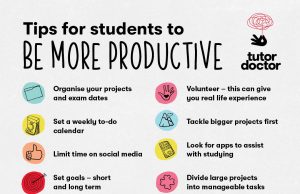
- Start early: Don’t wait until the last minute to study. Begin reviewing materials well in advance to avoid cramming and improve retention.
- Take breaks: Regular breaks are essential for maintaining focus and preventing burnout. Step away from your studies for a few minutes to clear your head and return refreshed.
- Stay organized: Keep your notes, materials, and assignments organized to avoid wasting time searching for information. Use highlighters, color-coding, or digital note-taking tools to enhance organization.
- Prioritize tasks: Identify the most important tasks and focus on completing them first. Use a to-do list or planner to keep track of your responsibilities and allocate your time accordingly.
- Avoid multitasking: While it may seem like a good way to save time, multitasking can actually reduce your productivity and hinder your ability to focus. Dedicate your study time to studying alone to maximize efficiency.
Conclusion
Developing effective study habits is crucial for students who want to succeed academically. By implementing the strategies outlined in this guide, you can enhance your comprehension, retention, and overall performance. Remember, consistency and dedication are key to forming these habits and unlocking your full academic potential. Embrace the power of study habits today and pave your path to academic excellence.
Related Keywords:
academic success, effective study habits, study tips, learning strategies, exam preparation, academic performance, student success, study schedules, effective studying, time management